
Sonia Gandhi's Hospitalization Highlights Air Pollution's Impact on Lung Health
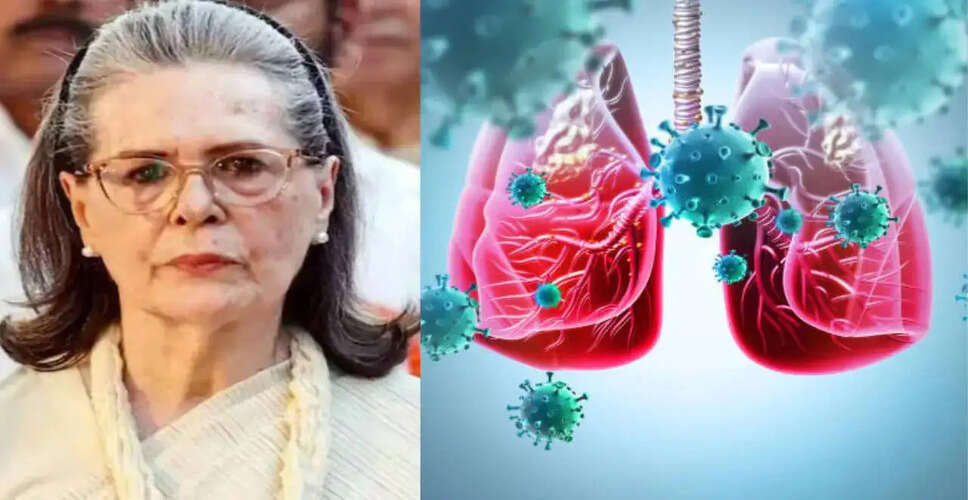
Sonia Gandhi Admitted to Hospital Due to Lung Issues
Sonia Gandhi, a prominent leader of the Congress party, has been hospitalized at Sir Ganga Ram Hospital in Delhi after experiencing lung-related complications, including a persistent cough that has reportedly worsened due to increasing pollution levels. Although her condition is stable and she is under medical observation, this incident has once again drawn attention to the critical public health issue of the connection between air pollution and respiratory diseases. Medical reports suggest that the 79-year-old may be suffering from an infection, as indicated by recent blood tests.
Health Risks Associated with Rising Pollution
Delhi's air quality has consistently been a major concern, often falling into the 'poor' and 'very poor' categories. Experts caution that long-term exposure to polluted air can lead to inflammation of the airways, exacerbate existing conditions like asthma, and provoke chronic coughs that many individuals tend to overlook. A chronic cough, defined as one lasting over eight weeks, is more than just a nuisance; it can indicate serious underlying respiratory issues such as bronchial asthma, chronic bronchitis, or even early lung damage. Gandhi's previous hospitalization for bronchial asthma earlier this year suggests that her vulnerability may be heightened by pollution.
The Importance of Addressing a Chronic Cough
Healthcare professionals emphasize that a persistent cough, particularly in polluted environments, should not be dismissed as merely seasonal or weather-related. Warning signs to watch for include:
- A cough lasting more than 2 to 3 weeks
- Wheezing or breathlessness
- Chest tightness
- Fatigue or decreased stamina
These symptoms can worsen in areas with high pollution levels, where tiny particles like PM2.5 and PM10 can penetrate deep into the lungs, leading to inflammation and long-term damage.
How Pollution Affects Lung Health
Numerous studies have established a link between air pollution and an increase in respiratory diseases, affecting not only the elderly but also younger individuals and children. According to medical experts, pollution can:
- Trigger asthma attacks
- Exacerbate chronic obstructive pulmonary disease (COPD)
- Heighten the risk of lung infections
- Gradually diminish overall lung function
For vulnerable populations, including seniors like Gandhi, the risks are significantly elevated due to compromised immunity and pre-existing health conditions.
Protective Measures Against Pollution
To mitigate the adverse effects of pollution, individuals can adopt several simple precautions, such as:
- Wearing N95 masks in areas with high pollution
- Utilizing air purifiers indoors
- Avoiding outdoor activities during peak pollution times
- Staying hydrated to help soothe the airways
- Consulting a doctor if a cough persists
Early detection can prevent complications and enhance treatment outcomes, particularly for those with asthma or other chronic conditions. Gandhi's recent hospitalization serves as a crucial reminder that air pollution is not merely an environmental concern; it poses a significant health crisis. As respiratory illnesses continue to rise, recognizing early symptoms like a chronic cough and taking prompt action could be life-saving. In a city where clean air is becoming increasingly rare, prioritizing lung health is more urgent than ever.