
Shoaib Ibrahim Shares Heartfelt Update on Father's Health Crisis
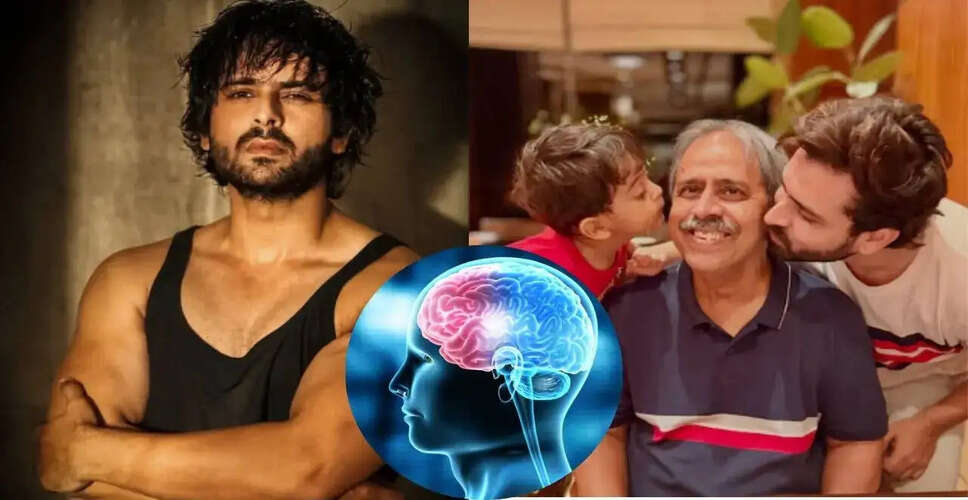

Shoaib Ibrahim's Father's Health Condition
Actor Shoaib Ibrahim has recently provided a touching update regarding his father's serious health issues, revealing that he has experienced a brain hemorrhage and is currently receiving treatment in the ICU of a Mumbai hospital. In a video shared with his followers, Shoaib clarified that this incident is more severe than his father's previous stroke in 2021, which was caused by a blood clot. This time, there has been significant bleeding at the back of the brain, resulting in serious complications such as drowsiness and potential vision issues. This situation has brought attention to the critical nature of brain hemorrhages, which are life-threatening emergencies requiring immediate medical intervention.
Understanding Brain Hemorrhage
A brain hemorrhage occurs when a blood vessel within the brain ruptures, leading to bleeding either inside or around the brain tissue. Medical professionals indicate that this bleeding elevates pressure within the skull, damages brain cells, and disrupts the oxygen supply to the brain. This condition is classified as a type of stroke, specifically a hemorrhagic stroke.
Causes of Brain Bleeding
Health specialists identify several factors that can heighten the risk of a brain hemorrhage, including high blood pressure, weak blood vessels (aneurysms), head injuries, blood clotting disorders, complications from strokes, diabetes, smoking, and excessive alcohol consumption. Uncontrolled hypertension is recognized as one of the primary causes globally.
Recognizing Symptoms of Brain Hemorrhage
Symptoms of a brain hemorrhage often manifest suddenly and can escalate quickly. Medical experts advise seeking emergency assistance if any of the following symptoms occur:
- Sudden and severe headache
- Weakness or paralysis
- Difficulty in speaking
- Vision disturbances
- Confusion
- Loss of balance
- Drowsiness
- Seizures
- Loss of consciousness
The severity of these symptoms can vary based on the location and extent of the bleeding.
The Seriousness of Bleeding in the Brain's Rear
Shoaib's update indicates that the bleeding occurred in the back of the brain, an area crucial for vision, balance, coordination, and essential bodily functions. Experts warn that bleeding in this region can be particularly perilous, as swelling may impact vital neurological pathways. Patients are often closely monitored in intensive care to manage intracranial pressure and avert further complications.
Treatment Options for Brain Hemorrhage
The treatment approach is determined by the size and location of the bleeding. Shoaib noted that doctors might conduct a minimally invasive procedure to remove blood through a small incision at the back of the brain. Treatment methods may include:
- Controlling blood pressure
- Monitoring in the ICU
- Medications to alleviate brain swelling
- Ventilator support in severe cases
- Surgery to extract accumulated blood
Experts emphasize that prompt treatment can significantly enhance survival and recovery rates.
Recovery Process
Recovery from a brain hemorrhage can vary greatly based on factors such as age, the extent of bleeding, treatment speed, underlying health issues, and the severity of brain damage. Some individuals may achieve partial recovery through rehabilitation, while others might endure long-term neurological challenges. Medical professionals often recommend physiotherapy, speech therapy, and ongoing rehabilitation following major strokes or hemorrhages. Neurologists caution that strokes and brain hemorrhages are increasingly affecting younger demographics due to rising blood pressure, diabetes, obesity, stress, and unhealthy lifestyles. They stress the importance of managing blood pressure, avoiding smoking, controlling diabetes, engaging in regular exercise, and seeking immediate medical attention for stroke symptoms. Shoaib's heartfelt update underscores the significant emotional strain families endure during neurological crises, particularly when recovery remains uncertain.