
Shingles Vaccine: A Potential Ally Against Dementia

Understanding the Shingles Vaccine's Role
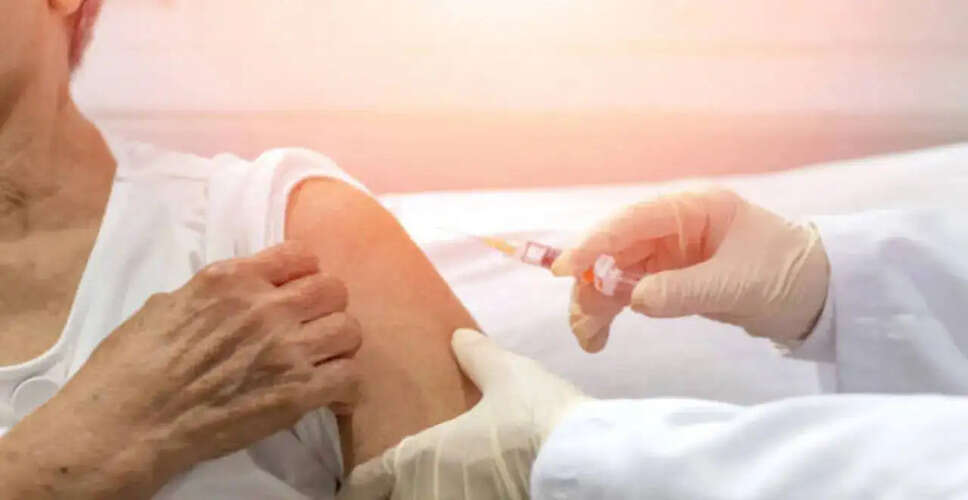
The shingles vaccine is primarily recognized for its effectiveness in preventing a painful rash, but recent studies indicate it might also play a role in safeguarding brain health. Increasing evidence suggests that receiving the shingles vaccine could reduce the likelihood of developing dementia, providing an additional incentive for older individuals to keep their vaccinations current. Shingles arises from the reactivation of the varicella-zoster virus, which is the same virus that causes chickenpox. After recovering from chickenpox, the virus can remain inactive in the nervous system and may reactivate later in life, especially as the immune system weakens with age.
Impact of Shingles on Brain Health
How does shingles affect your brain health?
Experts suggest that shingles may have effects beyond just causing a rash. When the virus reactivates, it can lead to significant inflammation in the nervous system, which may impact the brain. Neurologists indicate that this inflammation can contribute to the accumulation of amyloid and tau proteins, which are key indicators of Alzheimer's disease. Additionally, shingles has been associated with a heightened risk of stroke and cardiovascular issues, both of which are recognized as contributing factors to cognitive decline.
Research Findings on Shingles Vaccination
What does the research show?
Numerous large-scale studies from various countries have consistently shown a link between shingles vaccination and a reduced risk of dementia. A recent study published in the Annals of Internal Medicine revealed that older adults in U.S. nursing homes who received at least one dose of the shingles vaccine had a 5.8% lower risk of developing dementia over the next four years. Other international research has yielded similar results:
- A study in Wales involving over 282,000 adults found a 3.5% reduction in dementia risk over seven years.
- Research from Australia indicated a 1.8% decrease in dementia risk over 7.4 years.
- A Canadian study reported a 2% lower risk over 5.5 years among older adults eligible for vaccination.
Researchers estimate that confirming these findings in future clinical trials could mean that up to one in every 17 dementia cases might be preventable.
Who Should Consider the Shingles Vaccine?
Who should get the shingles vaccine?
Health experts recommend the Shingrix vaccine for adults aged 50 and older, regardless of whether they have had shingles before, received the older Zostavax vaccine, or been vaccinated against chickenpox. Shingrix is administered in a two-dose series and has demonstrated strong efficacy in preventing shingles and its complications, including postherpetic neuralgia, a painful condition that can linger long after the rash has healed.
Beyond Dementia Prevention
More than just dementia protection
Researchers emphasize that the current evidence is observational, indicating a strong correlation rather than establishing a direct cause-and-effect relationship between the vaccine and dementia prevention. More extensive clinical studies are necessary to clarify how the vaccine may protect brain health. Nevertheless, preventing shingles is crucial, as the infection has been linked to chronic nerve pain, stroke, heart disease, and prolonged inflammation. While the shingles vaccine should not be seen as a foolproof method to prevent Alzheimer's or other dementia types, accumulating scientific evidence suggests it may provide significant protection for brain health. When combined with regular physical activity, a balanced diet, adequate sleep, blood pressure management, and diabetes control, vaccination could serve as an essential strategy in mitigating cognitive decline as we age.