
Sharib Hashmi Opens Up About Wife's Ongoing Battle with Oral Cancer

Sharib Hashmi's Heartfelt Revelation
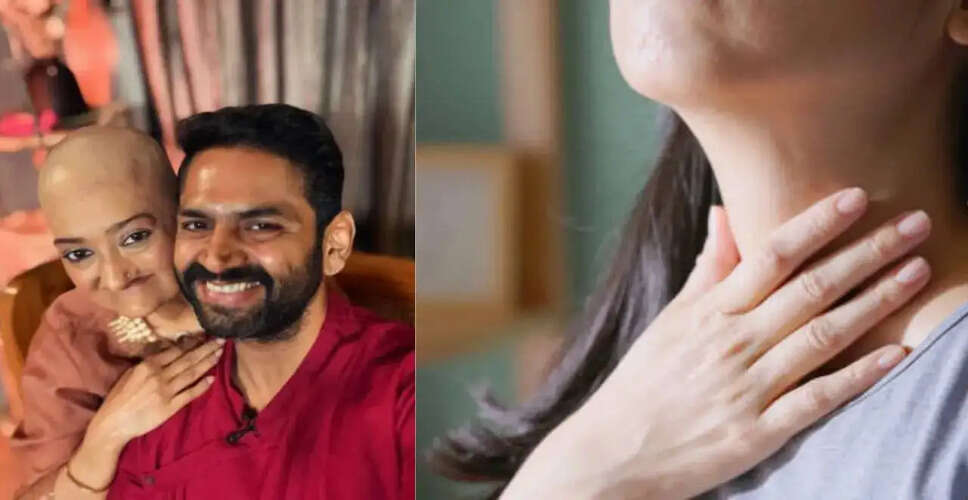
Sharib Hashmi has shared the distressing news that his wife, Nasreen, is facing her sixth battle with a relapse of oral cancer. The actor, known for his role in Family Man, disclosed that Nasreen has undergone five surgeries and is now confronting another severe recurrence of the illness. In a conversation with a media outlet, he expressed, “Nasreen’s cancer is aggressive. It has returned for the sixth time and has spread extensively.”
Nasreen praised Sharib for his unwavering support during her treatment. She remarked, "He has always been by my side. Even when he had filming commitments, he made it a point to be at the hospital. He would stay with me from admission to discharge, providing comfort just by being there."
Sharib’s candid discussion has reignited awareness about oral cancer, particularly the alarming reality of recurrence post-treatment.
Understanding Oral Cancer
What is Oral Cancer?
Oral cancer encompasses malignancies that arise in various parts of the mouth, including the tongue, gums, cheeks, lips, throat, and the floor of the mouth. Medical professionals have noted a rise in oral cancer cases globally, especially in regions with high tobacco and alcohol consumption. Common symptoms to watch for include:
- Mouth ulcers that persist
- Chronic pain or swelling
- Difficulty in swallowing
- Presence of white or red patches in the mouth
- Stiffness in the jaw
- Unexplained bleeding
- Changes in voice
Early detection is crucial, as treatment becomes increasingly challenging once the cancer has advanced.
Reasons for Cancer Recurrence
Why Does Oral Cancer Recur?
Medical experts explain that cancer can recur when small groups of cancer cells remain undetected in the body after treatments like surgery, chemotherapy, or radiation. The likelihood of recurrence is influenced by several factors:
- The stage of cancer at the time of diagnosis
- The aggressiveness of the tumor
- Whether the cancer has spread to lymph nodes
- Exposure to tobacco or alcohol
- Delays in diagnosis
- Genetic predispositions
- Inadequate response to treatment
More aggressive cancers tend to relapse more frequently, even after rigorous treatment.
Types of Cancer Recurrence
Forms of Recurrence
Experts categorize cancer recurrence into different types:
- Local recurrence: Cancer returns to the same site.
- Regional recurrence: Cancer spreads to nearby lymph nodes.
- Distant recurrence: Cancer metastasizes to organs such as the lungs, liver, or bones.
Widespread recurrence complicates treatment, which may include surgery, chemotherapy, targeted therapies, immunotherapy, or palliative care.
Importance of Follow-Up Care
Why Follow-Up Monitoring is Crucial
Oncologists emphasize the necessity of regular follow-up visits after cancer treatment. Recurrences can sometimes be identified through scans or symptoms before they escalate. Recommendations for patients include:
- Regular oral check-ups
- Imaging tests as advised
- Avoiding tobacco and alcohol
- Maintaining a nutritious diet and strong immunity
- Promptly reporting any unusual symptoms
The emotional impact of recurrent cancer can be profound for both patients and their families. Mental health professionals note that prolonged cancer treatment can lead to anxiety, depression, fatigue, and emotional burnout. Despite these challenges, Sharib commended Nasreen's bravery and resilience, stating that her strength continues to motivate their family.
Experts assert that early diagnosis is one of the most effective strategies to enhance survival rates for oral cancer. Symptoms like persistent mouth ulcers, unexplained swelling, or swallowing difficulties should never be overlooked. Following Sharib's heartfelt revelation, health professionals hope that more individuals will recognize the signs of oral cancer early and seek timely medical intervention.