
Severe Measles Outbreak in Bangladesh: A Public Health Crisis
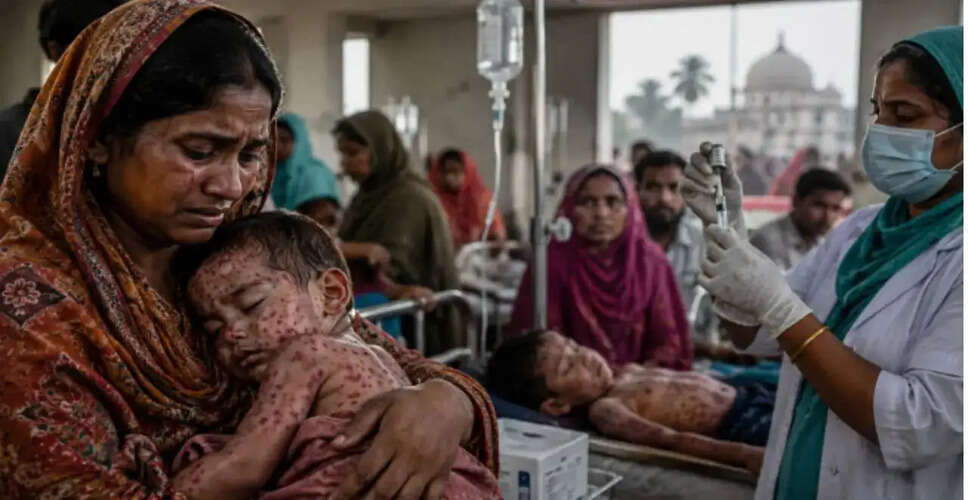

Bangladesh Faces a Major Measles Emergency
Bangladesh is currently grappling with a significant measles outbreak, which has escalated into a critical public health emergency. Since mid-March, over 60,000 suspected cases and 528 deaths linked to measles have been reported, predominantly affecting children under five years old. This alarming situation has raised concerns among global health experts and humanitarian organizations. Despite the prevalence of other viral diseases like Ebola and Hantavirus in the media, the severity of the measles crisis in Bangladesh is largely overlooked.
The Dangers of Measles in Bangladesh
Why is the Bangladesh measles outbreak dangerous?
Measles is recognized as one of the most contagious viral diseases, transmitted through respiratory droplets that can linger in the air for hours. Symptoms typically include high fever, rash, cough, red eyes, vomiting, and diarrhea. While many children recover within a few weeks, severe complications can arise, such as pneumonia, encephalitis, blindness, severe dehydration, and even death. Health professionals indicate that malnutrition is exacerbating the situation in Bangladesh, with nearly 25% of children under five suffering from stunted growth due to undernutrition, making them more susceptible to severe measles infections and less responsive to vaccinations. The measles mortality rate in Bangladesh is notably higher than in wealthier nations like the United States.
Healthcare System Overwhelmed
Hospitals are overwhelmed as cases surge
Healthcare facilities across Bangladesh, particularly in Dhaka, are struggling to manage the rising number of critically ill children. Families report overcrowded wards, shortages of oxygen and medical supplies, and patients being forced to lie on floors due to a lack of beds. In some instances, two measles patients are sharing a single ICU bed. Parents have faced challenges finding hospitals that can accommodate their children, as many facilities are already operating beyond their limits. Doctors indicate that the outbreak is putting immense strain on the healthcare system, with many children developing pneumonia or respiratory issues that require urgent medical attention.
Impact of Vaccination Disruptions
How did vaccination disruptions trigger the crisis?
Prior to this outbreak, Bangladesh was commended for its effective childhood immunization program and progress towards eliminating measles. However, political turmoil in 2024 and the shift to an interim government led to significant disruptions in the vaccination system. Delays in bureaucracy affected vaccine supply chains and postponed immunization campaigns, leaving many children unprotected against measles. Global health organizations had previously warned that declining vaccination rates could lead to a large-scale outbreak, a prediction that has unfortunately come true.
Emergency Vaccination Efforts
Government launches emergency vaccination campaign
In light of the escalating outbreak, Bangladesh initiated a nationwide measles vaccination campaign on April 5. Officials report that nearly 18 million children have been vaccinated so far. Health authorities are also providing Vitamin A supplements, which can significantly lower the risk of severe complications and mortality from measles. Medical experts are hopeful that this campaign will help reduce transmission rates in the upcoming weeks, although hospitals continue to experience overwhelming pressure.
Global Implications of the Outbreak
Why does this outbreak matter globally?
The measles outbreak in Bangladesh serves as a stark reminder of how quickly vaccine-preventable diseases can resurface when immunization systems falter. Public health experts caution that factors such as political instability, healthcare shortages, poverty, and declining vaccination rates can swiftly undo years of progress. This crisis also highlights the lethal link between measles and children, a combination that poses a persistent threat to vulnerable populations around the globe.