
Selena Gomez Discusses Her Journey with Bipolar Disorder and the Importance of Therapy
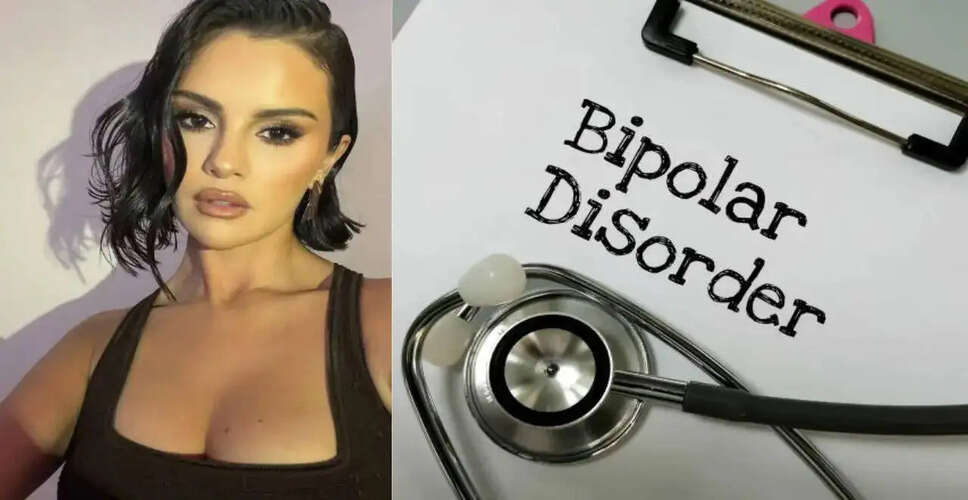
Selena Gomez Opens Up About Her Mental Health Struggles
Selena Gomez recently shared insights into her mental health experiences, revealing that she was initially "misdiagnosed" before receiving a proper diagnosis of bipolar disorder. During her appearance on the podcast Friends Keep Secrets with her husband Benny Blanco, the 33-year-old singer expressed her awareness that something was amiss. "I knew something was wrong, but I think I was misdiagnosed," Gomez stated. She elaborated on the challenges of finding the right therapist, noting, "People were just assuming, and I would try multiple therapists. It’s really complicated to navigate these issues. For me, seeking therapy was a daunting process." She highlighted that discovering the correct diagnosis and treatment required consultations with various professionals, emphasizing the importance of perseverance: "You can’t just give up." Gomez also mentioned her experiences in four different rehabilitation centers, which helped her grasp her condition better—a chronic mental health issue marked by extreme mood fluctuations.
Addressing Therapy Stigma
Gomez criticized the stigma surrounding therapy, labeling those who shame others for seeking help as hypocrites. "That’s the problem with misconceptions," she remarked. "The hypocrisy of shaming people for going to therapy stems from a lack of understanding. It’s perfectly fine if it’s not for you, but for me, it was a revelation that explained my reactions and why I struggled more than others to overcome challenges." She reflected on her emotional responses, stating, "I would act out of fear, love, or passion."
Understanding Bipolar Disorder
Bipolar disorder, often referred to as manic depression, is a chronic mood disorder that leads to significant mood swings, energy level changes, thought patterns, and behaviors. These mood shifts can last from hours to months and can disrupt daily functioning. According to health experts, there are several types of bipolar disorder characterized by episodes of hypomania/manic and depressive states. However, individuals with this condition can also experience periods of normal mood, known as euthymia. During depressive episodes, symptoms may include:
- Fatigue and tiredness
- Changes in appetite
- Feelings of worthlessness and hopelessness
Who is Affected by Bipolar Disorder?
Bipolar disorder can impact anyone, with the average onset age being around 25. It can manifest as early as childhood or as late as the 50s. The disorder affects both genders equally, but the experiences can differ. Women may experience quicker mood changes, possibly due to hormonal fluctuations and the tendency to be prescribed antidepressants, leading to more frequent mood cycling. Additionally, women with bipolar disorder may endure more depressive episodes compared to men.
Recognizing Signs and Symptoms
Signs of a manic episode can include:
- Excessive happiness and excitement
- Rapid and severe mood changes, such as transitioning from joy to anger
- Restlessness
- Fast speech and racing thoughts
- Increased energy with reduced sleep needs
- Impulsivity and poor decision-making, like abruptly quitting a job
- Grandiose and unrealistic plans
- Risky behaviors, including substance abuse and unsafe sexual practices.