
Rising Stroke Incidence Among Young Adults in India: A Growing Concern

Alarming Trends in Stroke Cases
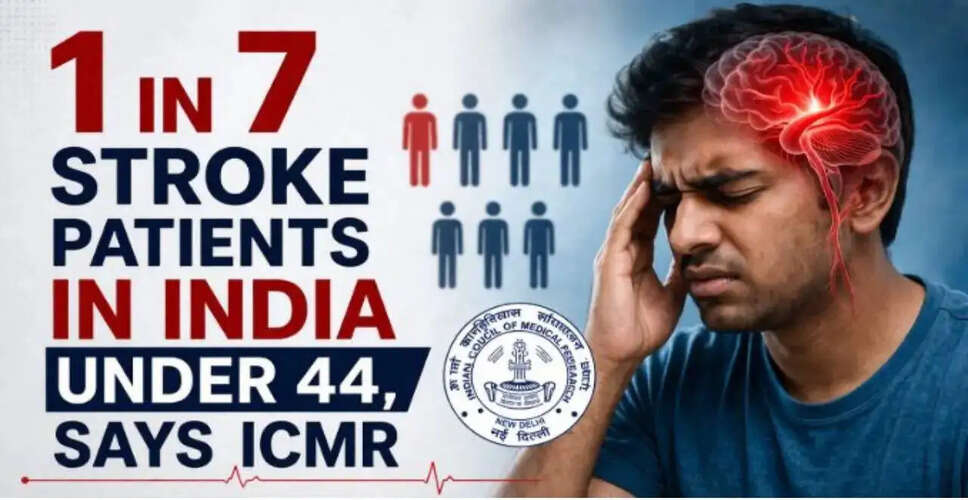
Stroke is increasingly affecting younger individuals, with a recent study by the Indian Council of Medical Research (ICMR) indicating that 1 in 7 stroke patients in India are aged between 18 and 44. This analysis, which examined over 34,000 cases, highlights a significant shift in the health landscape of the nation, as young adults face a growing risk of stroke. Research published in the SAGE Journals identifies stroke as the fourth leading cause of death and the fifth leading cause of disability in India, marking it as a pressing public health issue. Approximately 13.8% of stroke incidents occur in the 18 to 44 age group, suggesting that strokes are occurring at a younger age in India compared to many Western nations. Compounding this issue is the fact that nearly 40% of patients arrive at hospitals more than 24 hours after symptoms begin, severely impacting their chances of survival and recovery.
Understanding the Importance of the 'Golden Hour'
Why is the “golden hour” important?
Medical professionals emphasize the critical nature of timely stroke treatment. The initial hour following the onset of symptoms, often referred to as the “golden hour,” is vital for preventing irreversible brain damage. Prompt treatment can restore blood flow to the brain, and in some cases, advanced interventions can be effective within 24 hours. Unfortunately, only 20% of patients manage to reach medical facilities in time, highlighting a significant awareness gap that poses challenges for stroke prevention and survival.
Recognizing Stroke Symptoms
Common stroke symptoms you should not ignore
Identifying stroke symptoms early can be lifesaving. Key signs to watch for include:
- Sudden weakness or numbness in the face, arm, or leg
- Difficulty speaking or understanding speech
- Blurred or lost vision
- Dizziness or loss of balance
- Severe, unexplained headache
Factors Contributing to Increased Stroke Risk
What is driving a surge in stroke risk in young adults?
Experts indicate that lifestyle-related diseases are now affecting younger populations. Major risk factors include high blood pressure, present in nearly 75% of cases, diabetes, extensive tobacco use (both smoking and chewing), high alcohol intake, and anemia. Additionally, sedentary lifestyles, stress, poor dietary habits, and long working hours are contributing to the rising incidence of strokes among young adults in India.
The Broader Implications of Stroke in Young Adults
Why is this trend alarming?
Healthcare professionals warn that strokes in younger individuals can lead to severe long-term repercussions, including disabilities during crucial working years, financial and emotional strain on families, diminished quality of life, and increased lifetime healthcare expenses. This issue transcends medical concerns, evolving into a significant social and economic challenge.
Preventing Stroke: Key Strategies
How to reduce the risk of stroke?
The encouraging news is that many risk factors are preventable. Regular health check-ups can help identify hidden risks early. Effective strategies include:
- Consistent blood pressure monitoring
- Managing blood sugar levels
- Avoiding tobacco and limiting alcohol consumption
- Engaging in regular physical activity
- Effectively managing stress and ensuring adequate sleep
The findings from the ICMR serve as a crucial alert—strokes are increasingly impacting younger Indians. With the rise in lifestyle-related risks and delays in treatment, raising awareness is essential. Recognizing symptoms promptly and taking swift action can save lives, as every minute counts in stroke situations.