
Rising Heatwaves in India: A Public Health Crisis Unveiled
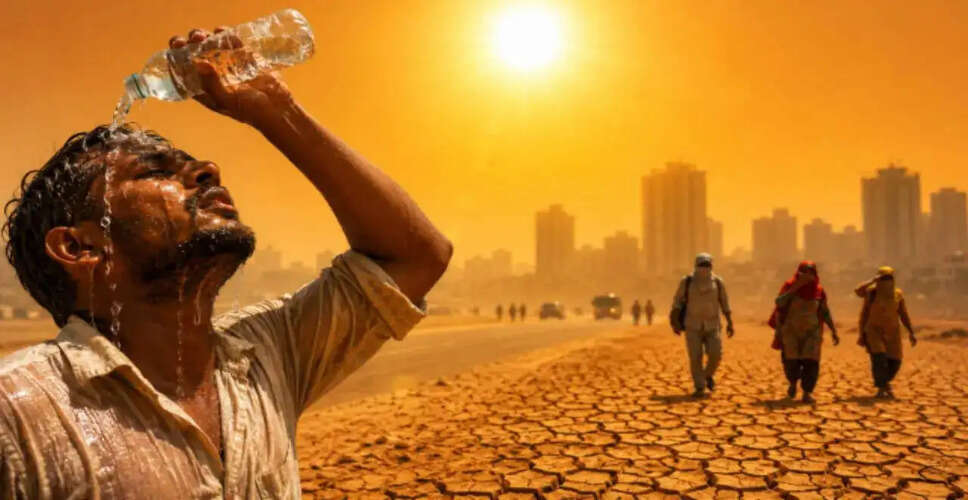

The Alarming Impact of Heatwaves
A significant new study reveals that India's escalating heatwaves may be responsible for far more fatalities than previously recognized. The research indicates that even a single day of extreme heat could lead to around 3,400 additional deaths across the country. Prolonged heatwaves are rapidly becoming one of the most severe climate-related health threats in India, particularly in economically disadvantaged states that are already grappling with healthcare and infrastructure issues. Published in Frontiers in Environmental Health, the study estimates that a five-day heatwave could result in nearly 30,000 excess deaths nationwide.
Understanding Excess Deaths
What are Excess Deaths?
“Excess deaths” refer to fatalities that exceed the expected number based on historical data. Researchers Piyush Narang and Ashok Gadgil from the India Energy and Climate Center examined heat-related mortality trends across various districts in India. They utilized district-level mortality statistics, population forecasts for 2024, and heatwave mortality data from ten Indian cities, concluding that heat-related deaths in India are likely significantly underestimated.
Extreme Heat: A Growing Health Emergency
Extreme Heat is Becoming a Major Health Emergency
India has experienced a series of severe heatwaves in recent years, with temperatures exceeding 45°C in regions such as Rajasthan, Uttar Pradesh, Madhya Pradesh, Haryana, and Gujarat. Medical professionals warn that extreme heat can disrupt the body's cooling systems, resulting in heat exhaustion, heatstroke, dehydration, kidney damage, heart issues, and even organ failure. Vulnerable populations include the elderly, outdoor workers, children, pregnant women, and individuals with chronic illnesses. Experts indicate that prolonged exposure to high temperatures may lead to an increase in cardiovascular and respiratory deaths even before heatstroke occurs.
Uttar Pradesh: A State in Crisis
Uttar Pradesh Among the Worst-Affected States
The research indicates that Uttar Pradesh could account for approximately 8,100 excess deaths during a five-day heatwave. Additionally, several districts, including Ahmedabad, Jaipur, and Surat, are projected to experience over 250 excess deaths during a significant heatwave event. The study also highlights a pronounced inequality linked to economic vulnerability.
Economic Disparities in Heatwave Impact
Poorer States Face a Greater Heatwave Burden
The study reveals a stark contrast between the mortality burden and economic capacity. Five states—Uttar Pradesh, Bihar, Madhya Pradesh, Rajasthan, and Gujarat—are expected to account for 66% of projected heatwave-related deaths while contributing only 29% to India's GDP. This “2.3-fold disproportion” indicates that poorer states may bear the brunt of heatwave fatalities despite having limited resources for climate adaptation. Experts emphasize that low-income populations often lack access to reliable cooling systems, healthcare, safe housing, and protective infrastructure against heat.
The Growing Danger of Heatwaves
Why are Heatwaves Becoming More Dangerous?
Climate specialists assert that rising global temperatures are leading to more frequent, prolonged, and intense heatwaves. South Asia, particularly India, is recognized as one of the most heat-vulnerable regions globally due to its dense population, urban heat islands, humidity, economic disparities, and outdoor labor exposure. Researchers note that the risk of heatwave-related mortality is not solely dependent on population size but is disproportionately concentrated in economically disadvantaged areas.
Call for Urgent Action
Experts Call for Urgent Heat Action Plans
The authors of the study advocate for these findings to shape India's funding for heat resilience and disaster preparedness initiatives. They recommend the development of improved district-level heat action plans, enhanced cooling infrastructure, early warning systems, public hydration campaigns, worker protection measures, and increased funding for climate adaptation. Health professionals stress the importance of recognizing heatwaves as a significant public health emergency, especially as climate change continues to escalate in India.