
Rising Cancer Cases in India: Understanding the Causes and Prevention Strategies
Overview of Cancer in India
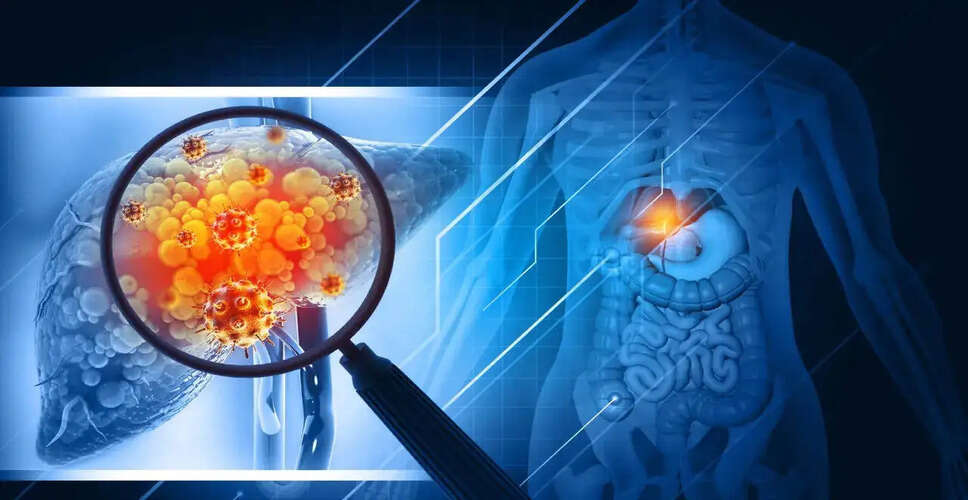
New Delhi: The term cancer evokes fear, representing a condition marked by the uncontrolled proliferation of abnormal cells in specific body regions. This serious illness progresses from Stage 1 to Stage 4, and its early signs often mimic common ailments like stomach discomfort, digestive issues, or blurred vision. Consequently, many cases remain undiagnosed for extended periods, leading to metastasis. Unfortunately, cancer has become increasingly prevalent, with over 100 different types identified, all stemming from DNA damage. Alarmingly, experts predict a significant rise in cancer cases and fatalities in India by 2030.
Current Trends in Cancer Cases
Current Trends in Cancer Cases in India
The Indian Council of Medical Research (ICMR) reported approximately 1.46 million new cancer cases in 2022, with expectations for further increases by 2025. Similar figures from the Global Cancer Observatory indicate new cases exceeding 1.4 million in 2022. Projections suggest that annual cancer cases in India could surge by nearly 60% from 2020 to 2040, primarily due to population growth and aging. Additionally, forecasts for cancer-related deaths up to 2030 indicate a steady rise, particularly from cancers associated with modern lifestyles, including breast, colorectal, and pancreatic cancers.
Factors Contributing to the Cancer Surge
Factors Contributing to the Cancer Surge in India
Dr. Rakesh Sharma, a Medical Oncologist at MOC Cancer Care and Research Centre in Gurugram, explains that while aging and population growth play a role—since cancer is more prevalent in older individuals—these factors alone do not account for the entire situation. It is estimated that around 70% of India's cancer burden is linked to modifiable lifestyle and environmental factors, including tobacco use, alcohol consumption, infections, poor diet, obesity, physical inactivity, and pollution. Tobacco is responsible for approximately 40% of cancer cases, particularly those affecting the mouth, throat, and lungs. A systematic review indicates that 70-90% of cancers in India could be prevented through healthier lifestyle choices and environments.
Changing Cancer Landscape
India is witnessing a shift in the types of cancers being diagnosed. Previously, infection-related cancers like cervical and stomach cancer were more common, but their mortality rates are declining due to improved hygiene, screening, and vaccination. Conversely, deaths from breast, colorectal, pancreatic, and certain blood cancers—linked to urban lifestyles, diet, obesity, and inactivity—are on the rise and are expected to continue increasing through 2030. As India urbanizes and becomes wealthier, it is beginning to experience the 'diseases of affluence' that high-income countries faced decades ago.
Key Risk Factors for Cancer
Key Risk Factors for Cancer in India
Dr. Sharma highlights several concerning risk factors. Tobacco, in both smoked and smokeless forms, remains the leading cause of cancer in India, contributing to nearly one-third of the global oral cancer burden, exacerbated by widespread use and late diagnosis. An ICMR study warns of a sharp increase in lung cancer cases and deaths by 2030, particularly in the Northeast, with women experiencing some of the fastest growth—linked to smoking and worsening air quality. Additionally, changing dietary habits and sedentary lifestyles are contributing to rising obesity rates, diabetes, and cancers of the breast, colon, and pancreas. Alcohol consumption, even at social levels, heightens the risk of various cancers, including those of the mouth, liver, and breast. Furthermore, preventable infections like HPV and hepatitis B can lead to cervical and liver cancers, respectively, both of which are now vaccine-preventable.
Preventive Measures Against Cancer
Expert-Recommended Tips to Reduce Cancer Risk
Fortunately, many strategies to lower cancer risk are straightforward, affordable, and accessible, especially with supportive policies:
- Quit all forms of tobacco and avoid second-hand smoke; there is no safe level. Seek assistance from cessation clinics and helplines.
- Limit alcohol consumption to occasional and minimal amounts, or avoid it entirely.
- Increase daily physical activity—aim for at least 30 minutes of brisk walking most days and reduce prolonged sitting.
- Focus on home-cooked, minimally processed foods: increase intake of vegetables, fruits, whole grains, pulses, and nuts while reducing fried snacks, sugary drinks, and processed meats.
- Maintain a healthy weight by balancing calorie intake with expenditure.
- Protect against pollution: use cleaner fuels, avoid burning waste, ventilate kitchens, and wear masks on high smog days.
- Utilize vaccines and screenings: HPV vaccination for adolescents, hepatitis B vaccination as recommended, regular cervical screenings, and timely evaluation of any unusual symptoms.
- Seek medical advice for persistent symptoms such as mouth ulcers, unexplained weight loss, long-lasting coughs, abnormal bleeding, or changes in bowel habits.
Ultimately, addressing cancer is not solely about individual choices. Stronger tobacco control laws, cleaner air initiatives, safer workplaces, improved access to screenings, and awareness campaigns in local languages are crucial to preventing a cancer crisis in India by 2030. The evidence is clear: a significant portion of future cancers can still be avoided if proactive measures are taken today, both at home and within communities.