
Revolutionary Oral Pill Offers New Hope in Cervical Cancer Treatment

Innovative Therapy for Cervical Cancer
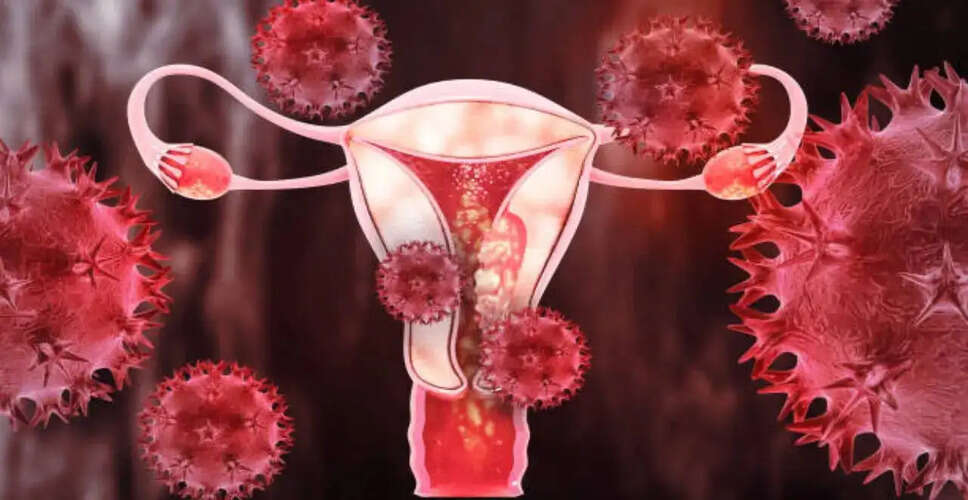
A groundbreaking oral medication for cervical cancer has the potential to change treatment approaches for one of the most prevalent cancers among women globally. Researchers have introduced an experimental drug named SHetA2, which specifically targets the cancer-inducing proteins associated with the human papillomavirus (HPV) before they can lead to cervical cancer. While this capsule does not prevent HPV infections, it may halt persistent infections from advancing into precancerous lesions or cervical cancer, providing hope for many women, especially in nations like India where this disease poses a significant public health issue.
Significance of This Breakthrough
As reported by the Global Cancer Observatory, cervical cancer ranks as the second most prevalent cancer among women in India, with over 79,000 new cases and more than 36,000 fatalities anticipated in 2024. Persistent infections from high-risk HPV strains account for nearly 85% of cervical cancer cases. Although HPV vaccination can prevent infections, many women are diagnosed after the virus has already altered cervical cells. Researchers believe that SHetA2 could bridge this treatment gap.
Mechanism of Action of SHetA2
SHetA2 is classified as a small-molecule oral therapy, composed of chemically synthesized compounds that the body can easily absorb and are generally less costly to manufacture than biologic drugs. Experts explain that the drug disrupts the interaction between the HPV-E7 protein and a protective protein within human cells. This interaction typically allows the HPV virus to continue harming healthy cervical cells. By breaking this connection, SHetA2 enables the body's natural defense mechanisms to eliminate the harmful viral protein. Notably, the therapy seems to target cancerous cells while sparing healthy ones, minimizing the risk of extensive damage to normal tissue.
Potential Beneficiaries
This treatment is not designed to prevent HPV infections. Instead, researchers suggest it may be advantageous for women who have already developed high-grade cervical intraepithelial neoplasia (CIN), which are precancerous lesions with a significant risk of progressing to cancer if untreated. It may also eventually be applicable for patients with early-stage invasive cervical cancer, although larger clinical trials are necessary to identify which patients would benefit the most.
Current Development Stage
The therapy was created by the Stephenson Cancer Center at the University of Oklahoma, with preclinical evaluations conducted by ICMR-NICPR. Following promising laboratory and initial clinical results, the technology has been handed over to Emcure Pharmaceuticals, which will manage larger human clinical trials prior to seeking regulatory approval. Researchers predict that these trials could take up to five years before the drug is widely accessible.
Affordability of SHetA2
The final pricing for SHetA2 has yet to be disclosed. However, due to its classification as an oral small-molecule medication, experts anticipate it will be significantly more affordable than many advanced biologic or immunotherapy cancer treatments. Additionally, since it may be taken at home, the pill could lessen the need for extended hospital visits and infusion therapies.
Complementing HPV Vaccination and Screening
It is crucial to note that this treatment does not replace HPV vaccination or screening. Medical professionals emphasize that HPV vaccination remains the most effective method for preventing cervical cancer. India's national immunization program now includes HPV vaccination for eligible adolescent girls. Regular Pap smear tests, HPV DNA testing, and visual inspection with acetic acid (VIA) continue to be essential for early detection of precancerous changes, where treatment is most effective. If approved, SHetA2 would serve to complement, rather than substitute, vaccination and screening initiatives.