
Revolutionary Lung Cancer Treatment: New Subcutaneous Immunotherapy Injection
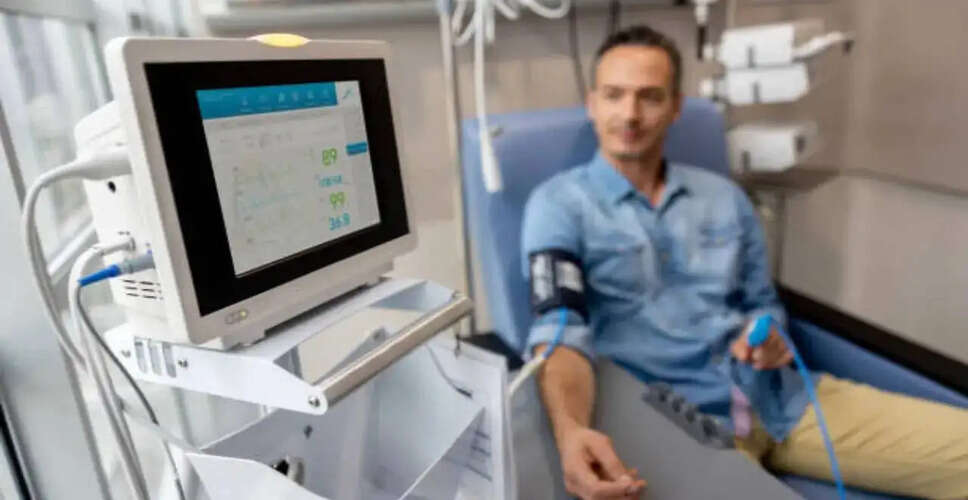

Innovative Immunotherapy Injection for Lung Cancer
A groundbreaking immunotherapy injection for lung cancer has been launched in India, providing renewed hope for patients by significantly shortening treatment duration and enhancing convenience. Roche, a leading pharmaceutical company, has unveiled a subcutaneous formulation of its immunotherapy drug, atezolizumab, branded as Tecentriq, specifically for individuals diagnosed with non-small cell lung cancer (NSCLC). Medical professionals indicate that this injectable treatment could revolutionize the administration of immunotherapy, particularly for those who find lengthy intravenous (IV) infusions challenging or are apprehensive about the side effects associated with traditional chemotherapy.
Patients diagnosed with advanced lung cancer that has metastasized may now consider this innovative immunotherapy option. Instead of the conventional IV infusion, healthcare providers are recommending the newly introduced under-the-skin injection for treatment.
Understanding the 7-Minute Immunotherapy Injection
What is the 7-minute immunotherapy shot?
This new subcutaneous injection is tailored for patients suffering from non-small cell lung cancer, which represents the majority of the approximately 81,000 lung cancer cases reported annually in India. Unlike chemotherapy, which directly targets cancer cells, immunotherapy enhances the body’s immune response to more effectively recognize and eliminate cancer cells. The injectable form of atezolizumab can be administered in just seven minutes via an injection in the thigh by trained nursing personnel in outpatient settings. Previously, patients were required to undergo lengthy IV infusions, often necessitating extended hospital visits.
Healthcare professionals assert that the reduced administration time has led to improved treatment adherence and increased patient comfort.
Eligibility for the New Treatment
Who can receive this treatment?
This therapy is specifically designed for NSCLC patients whose tumors express PD-L1 receptors. Experts estimate that nearly half of all individuals with non-small cell lung cancer may be eligible for this targeted immunotherapy. Research indicates that atezolizumab can enhance progression-free survival, boost overall survival rates, and lower the risk of mortality among qualifying lung cancer patients.
Why is This Treatment Considered a Game-Changer?
Why are the doctors calling it a game-changer?
Oncologists are optimistic that the injectable formulation could alleviate the strain on both patients and healthcare facilities. Hospitals can reportedly administer the subcutaneous injection to multiple patients in the time it previously took to complete a single IV infusion session. Global studies have shown that four out of five patients prefer the subcutaneous injection over IV therapy due to its convenience, shorter hospital stays, and fewer side effects related to infusions.
Experts believe this launch signifies a significant advancement in cancer treatment in India, where the increasing incidence of lung cancer continues to exert immense pressure on healthcare resources. While immunotherapy may not be suitable for every patient, innovations like rapid injectable treatments could enhance the quality of life and make advanced cancer care more accessible for eligible individuals.