
Revolutionary Brush Test for Early Detection of Mouth Cancer
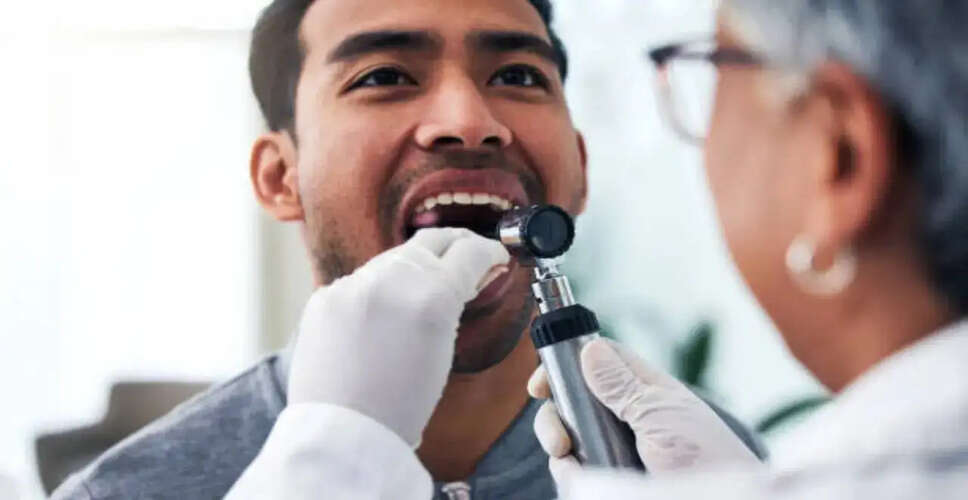

Innovative Test for Oral Cancer Diagnosis
A groundbreaking brush test for diagnosing mouth cancer has emerged, promising highly accurate results in under an hour. This non-invasive method could significantly expedite the diagnosis process, lessen the need for painful biopsies, and enhance survival rates by identifying oral cancer at earlier stages. With the increasing prevalence of mouth cancer worldwide, experts are optimistic that such innovations will make screening quicker, simpler, and more accessible, particularly for individuals at elevated risk.
Understanding the New Brush Test
What is the new brush test for mouth cancer?
This innovative brush biopsy technique employs a small, soft brush to gather cells from suspicious areas within the mouth, including ulcers, white or red patches, and persistent sores. Unlike traditional surgical biopsies, this method is painless, swift, and does not involve cutting tissue. The collected cells undergo analysis using advanced molecular techniques, enabling doctors to detect cancerous or pre-cancerous changes in less than an hour.
Researchers indicate that this test offers a high degree of accuracy, making it a valuable tool for early screening and assisting healthcare providers in determining whether further treatment or a conventional biopsy is necessary.
Importance of Early Detection
Why is early detection important?
Health professionals assert that early diagnosis is crucial for improving survival rates in mouth cancer cases. When identified in the early stages, treatments tend to be less invasive and more effective. Unfortunately, many individuals overlook early warning signs, mistakenly believing that mouth ulcers or sores will resolve on their own. Delayed diagnosis can lead to the disease spreading to surrounding tissues or lymph nodes, complicating treatment. A rapid screening test could motivate more individuals to seek medical advice promptly, allowing healthcare providers to initiate treatment without unnecessary delays.
Recognizing Symptoms of Mouth Cancer
Common symptoms of mouth cancer
Medical professionals recommend seeking evaluation if any of the following symptoms persist for over two weeks:
- A mouth ulcer that does not heal
- Red or white patches inside the mouth
- A lump in the mouth, jaw, or neck
- Persistent pain or numbness in the mouth
- Difficulty chewing or swallowing
- Loose teeth without an obvious cause
- Hoarseness or a persistent sore throat
- Unexplained bleeding from the mouth
Identifying High-Risk Groups
Who is at a higher risk?
Several lifestyle and medical factors elevate the risk of developing oral cancer, including tobacco use, excessive alcohol consumption, HPV infection, poor oral hygiene, prolonged sun exposure, and a family history of certain cancers. Additionally, age is a significant factor, although younger adults can also be affected. Reducing tobacco and alcohol consumption remains one of the most effective strategies for lowering risk.
Potential Impact of the Test on Screening Practices
Could this test change mouth cancer screening?
Experts believe that the rapid brush test could serve as a vital first-line screening tool in dental clinics, hospitals, and community health initiatives. Its non-invasive nature and quick results may help identify patients requiring immediate specialist evaluation while minimizing unnecessary surgical biopsies for those at lower risk. However, specialists emphasize that positive results from the brush test must still be confirmed through standard diagnostic methods, including conventional biopsies when necessary. Despite advancements in diagnostic technology, it is crucial for individuals not to disregard persistent mouth sores, ulcers, or unusual patches. Regular dental check-ups, avoiding tobacco products, limiting alcohol intake, and seeking prompt medical attention for suspicious symptoms remain the best approaches for early detection of mouth cancer, when treatment is most effective.