
Rethinking Kidney Stone Prevention: The Role of Hydration and Diet

New Insights on Kidney Stone Prevention
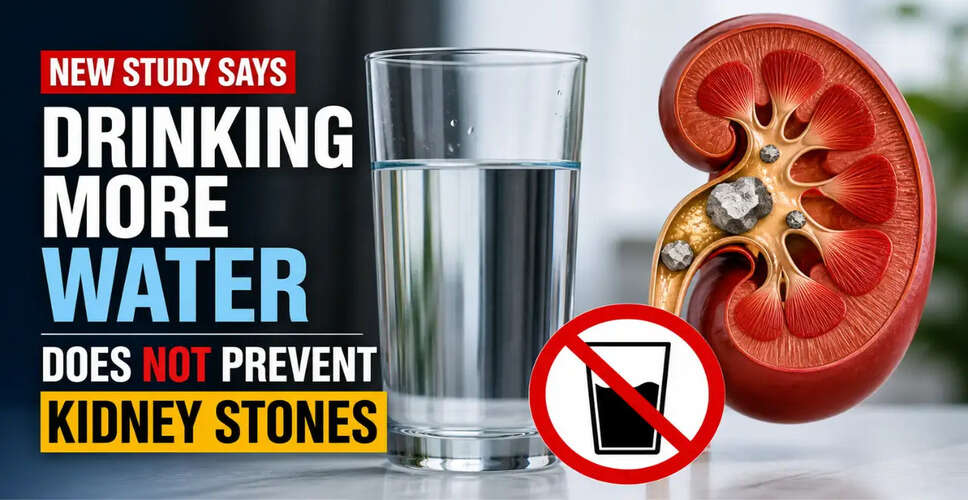
For a long time, the conventional wisdom has been to increase water intake to prevent kidney stones, a common piece of advice from healthcare professionals. However, a recent extensive study is challenging this notion, prompting experts to reevaluate effective prevention strategies. This significant research tracked over 1,600 individuals with a history of kidney stones. Participants were encouraged, and sometimes financially motivated, to enhance their fluid consumption through smart water bottles and coaching. Although they did increase their water intake, the findings were unexpected: there was no notable decrease in the recurrence of kidney stones compared to those who did not participate in the program. This may seem contradictory to established beliefs, but it suggests that merely drinking more water may not suffice.
Understanding the Study's Findings
Why the Study Found No Clear Benefit
A significant factor in the study's outcome was the actual amount of water consumed. Despite reminders and incentives, many participants did not achieve the recommended urine output of approximately 2.5 liters daily, which is essential for diluting substances that can lead to stone formation. This indicates a practical challenge: sustaining a high fluid intake consistently over time is more difficult than it appears.
Moreover, kidney stones are not solely a result of dehydration. They develop when minerals such as calcium, oxalate, and uric acid crystallize in urine. While insufficient fluid intake heightens this risk, other elements like diet, genetics, and health conditions also significantly contribute.
Expert Consensus on Hydration
What Experts Still Agree On
Despite the study's revelations, experts continue to endorse hydration as a vital prevention method. It remains fundamental for kidney health, as water aids in diluting urine and eliminating minerals before they can crystallize. Consequently, guidelines still advocate for sufficient fluid intake to produce at least 2 to 2.5 liters of urine daily. Previous studies have indicated that increased fluid consumption can substantially lower the risk of developing kidney stones initially. Thus, the conclusion is not that water is ineffective, but rather that it is just one aspect of a broader strategy.
Comprehensive Strategies for Prevention
What Actually Helps
To effectively prevent kidney stones, a more holistic approach is necessary:
- Diet matters: Reducing salt intake and limiting foods rich in oxalates (such as spinach and nuts) can decrease risk.
- Calcium balance is key: Adequate dietary calcium can actually help prevent stones, contrary to common misconceptions.
- Medical factors count: Some individuals may require medications like potassium citrate or thiazide diuretics.
- Consistency over time: Regular hydration habits are more beneficial than occasional efforts.
This new research does not dismiss the importance of hydration; instead, it questions the assumption that simply increasing water intake guarantees prevention. Kidney stones are multifaceted, and their prevention involves more than just carrying a water bottle. While hydration is essential, it must be complemented by the right dietary choices, lifestyle adjustments, and sometimes medical intervention. The key takeaway is not to drink less water, but to adopt a smarter, more comprehensive approach to prevention.