
Resurgence of New World Screwworm Raises Alarm in the US
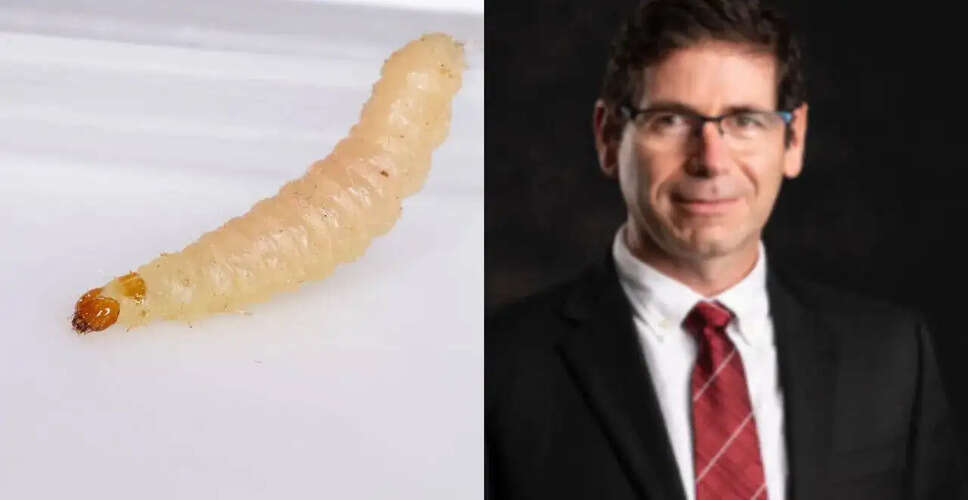

Concerns Over New World Screwworm
After years of successful eradication, the New World screwworm, a parasitic fly, is once again causing alarm in the United States. This pest, known for its larvae that feed on the living tissue of animals, has prompted warnings from agricultural experts and scientists. Phillip Kaufman, a professor and head of the Department of Entomology at Texas A&M University, highlighted the unique threat posed by this pest, stating that it infests living mammals, leading to severe consequences, including death.
The Dangers of a Small Wound
How A Tiny Wound Can Turn Deadly
The risk escalates when a female screwworm lays eggs in an open wound on an animal. A seemingly minor injury can quickly escalate into a serious infestation. Kaufman explained that a female can lay hundreds of eggs in a small wound, which hatch into larvae that grow rapidly. Within a week, a small wound can expand significantly due to the larvae feeding on the host.
Understanding the Screwworm's Name
The name 'screwworm' derives from the larvae's appearance and behavior. Their bodies are covered in tiny hair-like structures resembling screw threads, and their feeding action appears to drill into the flesh of the host. Kaufman noted that this unique characteristic is what gives the pest its name.
Innovative Eradication Strategies
The Unusual Strategy To Eradicate The Pest
Experts have observed that in the past two years, the screwworm populations have expanded beyond the previously established quarantine zone near the Panama Canal. Kaufman mentioned that researchers are investigating how this migration occurred. To combat the screwworm, authorities are employing an innovative approach: releasing sterilized male flies into the environment. These males mate with wild females, resulting in no viable offspring and gradually reducing the population.
Kaufman emphasized the importance of releasing sterilized males to mate with wild females, which prevents the laying of hatching eggs, ultimately leading to population decline. Identifying the adult screwworm can be challenging as it resembles other species, including the harmless secondary screwworm. Livestock owners are more likely to notice the pest through infestations in animal wounds, known as myiasis. Kaufman advised that immediate veterinary assistance is crucial upon discovery of such infestations.
The Path Forward
As eradication efforts are renewed, scientists stress the importance of vigilance to prevent the flesh-eating parasite from re-establishing itself across North America.