
Resurgence of Hib: A Growing Concern for Child Health in the U.S.
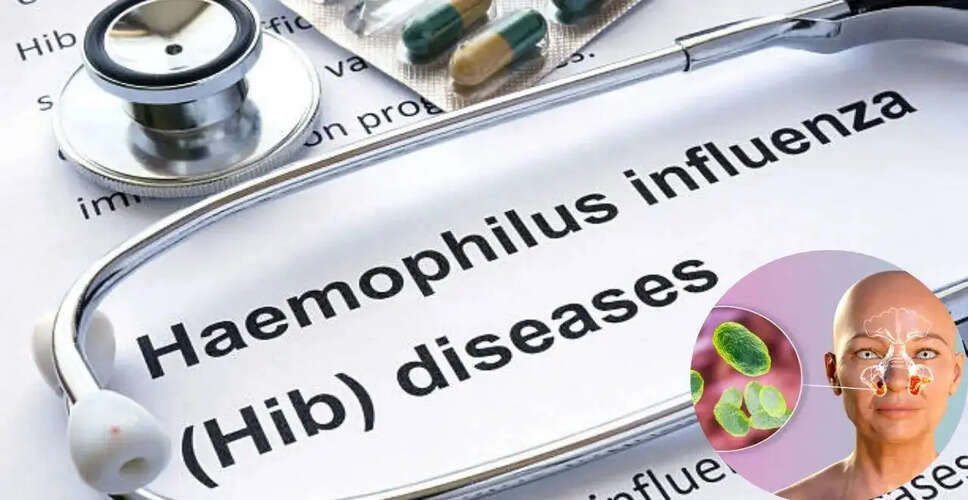

The Return of a Childhood Illness
A childhood illness that was once under control is now re-emerging in the United States. Hemophilus influenzae type b (Hib), a severe bacterial infection that previously led to significant illness and fatalities among young children, is making a comeback as vaccination rates decline. This trend has raised concerns among pediatricians and public health officials. Prior to the introduction of the Hib vaccine in the late 1980s, this disease was a leading cause of bacterial meningitis in children under five years old. The Centers for Disease Control and Prevention reports that Hib infects approximately 20,000 children each year in the U.S., resulting in nearly 1,000 deaths and leaving many with long-term complications such as hearing impairment, brain damage, or developmental delays. However, the widespread use of the vaccine has reduced these figures by over 99%. Unfortunately, this progress is now at risk.
Reasons Behind the Resurgence of Hib
Why is Hib returning?
Experts attribute the resurgence of Hib primarily to declining vaccination rates among children. Contributing factors include vaccine hesitancy, the spread of misinformation on social media, and interruptions in routine immunizations during the COVID-19 pandemic. As fewer children complete the full Hib vaccination series, community immunity diminishes, allowing the bacteria to spread more easily, especially among infants and young children who are the most susceptible.
Understanding the Dangers of Hib
What makes Hib so dangerous?
Despite its name, Hib is not related to the flu. It is a serious bacterial infection that can lead to life-threatening conditions, including:
- Meningitis - an infection of the brain and spinal cord lining
- Pneumonia - a type of lung infection
- Epiglottitis - severe swelling of the throat that can obstruct breathing
- Sepsis - a bloodstream infection
Symptoms can develop rapidly and may include high fever, stiff neck, difficulty breathing, sensitivity to light, and confusion. In severe cases, the disease can be fatal within hours if not treated promptly.
Increasing Cases Raise Alarm
Rising cases spark concern
Healthcare professionals across various states in the U.S. have noted a significant rise in invasive Hib cases, particularly among children who are unvaccinated or only partially vaccinated. Although the overall numbers remain lower than those seen before the vaccine was introduced, the increasing trend is alarming. Pediatric infectious disease specialists caution that many younger doctors have never encountered Hib due to its previous rarity, complicating early diagnosis.
The Importance of Vaccination
The role of vaccination
The Hib vaccine is highly effective and is usually given in a series of doses starting at two months of age. Health authorities stress that timely vaccination is the best defense against this disease. The World Health Organization continues to advocate for routine Hib immunization globally, highlighting its vital role in preventing child mortality. Public health experts assert that the resurgence of Hib is not a failure of science but rather a gap in vaccine coverage. The disease is entirely preventable with appropriate immunization. As medical professionals warn of increasing risks of child fatalities, the message is clear: maintaining high vaccination rates is crucial to preventing deadly infections like Hib. Parents are encouraged to consult healthcare providers to ensure their children are current on all recommended vaccinations. The return of Hib serves as a stark reminder that declining vaccination rates can lead to the resurgence of preventable diseases with severe consequences.