
Rediscovering Purpose: How Yoga Transforms Life After 60

The Transition into Retirement
Receiving that final email confirming your retirement can feel surreal. As you step out of the office for the last time, a sense of emptiness can wash over you. The daily structure that once guided your life disappears, leaving behind a vast expanse of unstructured time. This moment can be particularly jarring for many individuals over 60. While retirement is often viewed as a liberation, it can quickly morph into a feeling of aimlessness. For countless individuals globally, the solution to this unsettling void is found on a yoga mat. This journey is not about trendy poses or social media influencers; it’s about realizing that turning 60 can mark the start of an unexpected adventure.
The Unspoken Retirement Challenge
The Retirement Crisis Nobody Talks About
Nirmal Soni, who dedicated 25 years to banking at SBI, faced a harsh reality when he turned 60. The year was 2020, and the world was grappling with COVID-19. His children suggested he seek therapy. For months, Nirmal remained at home, burdened by stress and speaking less each day. His therapist recommended a radical approach: join a community that encourages movement and social interaction. "I was doubtful," Nirmal recalls. "Yoga seemed like a practice for the flexible, and I felt anything but. However, my daughter found a class, and I decided to give it a try. I was the least flexible person there, but the warm welcome I received was heartening." Fast forward five years, and at 65, Nirmal has discovered the true essence of what his therapist intended: a sense of belonging.
The Impact of Regular Practice
What Happens When You Finally Show Up
Abha Maheshwary, a 68-year-old educator, also faced the reality of retirement at 60. Although she had practiced yoga sporadically throughout her life, it wasn’t until retirement that she committed to regular classes. "I had dabbled in yoga during school and occasionally for personal fitness, but I never fully embraced it. Retirement prompted me to ask, 'What’s next?' and that’s when I began attending classes consistently. A significant shift occurred," she explains. This shift is backed by a 20-week study led by Małgorzata Grabara and Janusz Szopa, which observed 56 women aged 50-79 participating in hatha yoga. The findings were striking: 90% attended all sessions, and over 80% reported back pain before starting. Post-program, participants exhibited notable improvements in spinal mobility and flexibility.
Yoga as a Lifeline
For many, the physical benefits of yoga are secondary to the mental and emotional support it provides. Abha notes, "Retirement can be overwhelming. Initially, the newfound free time feels liberating, but soon you realize you’re just sitting at home, burdened by time. I craved a routine and a sense of purpose again. Yoga transformed from mere exercise into a form of medicine for my mind and spirit, addressing the existential question of identity post-retirement." Mahesh Kumar, a 62-year-old real estate consultant, echoes this sentiment. "In my twenties, yoga was about physical prowess. Now, it’s about connecting with my body and finding peace amidst life’s changes. Yoga has become my anchor through the ups and downs of life."
The Power of Community
The One Thing Nobody Expects: Belonging
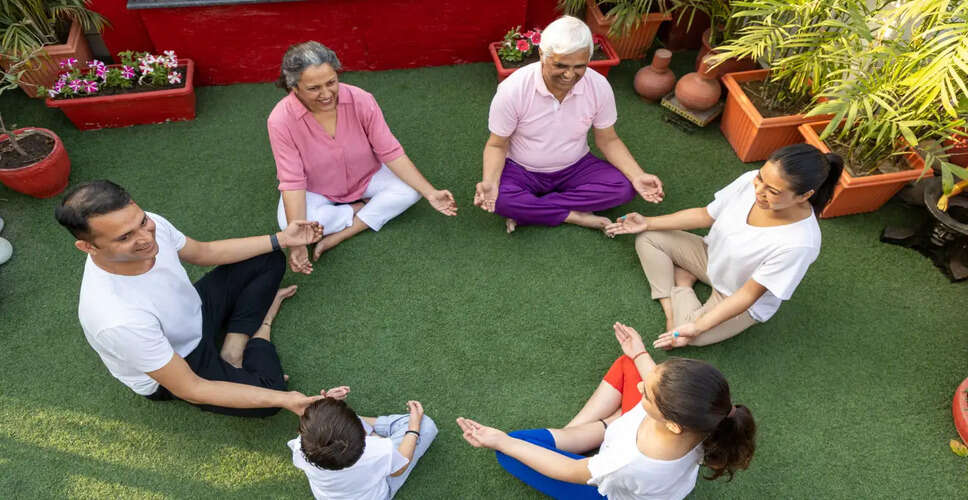
What truly enriches the lives of those over 60 is not just the physical practice of yoga, but the community it fosters. Nirmal humorously recalls his initial fears about joining a class. "I was terrified, but the moment I entered, I was embraced by the community. No one judged my abilities; they simply welcomed me as I was." Abha shares a similar experience, stating, "Through yoga, I’ve formed friendships with younger individuals, and it feels rewarding to inspire others, proving that age doesn’t limit influence. My yoga community brings me joy and a sense of belonging." This unexpected camaraderie often becomes the primary reason individuals continue their practice.
Transformative Experiences
What Happens When You Actually Show Up
Research supports the psychological benefits of yoga. Participants in the aforementioned study not only improved their flexibility but also experienced significant reductions in body weight and BMI. More importantly, they developed confidence and began to view aging as a new phase of growth rather than a decline. Mahesh reflects, "Yoga has taught me patience. I’m not the same as I was at 40, but that doesn’t signify decline; it indicates growth. Some changes are even positive." Aaryan Rajput, a wellness expert, observes similar transformations in his clients, noting that they become more confident and start embracing aging as an opportunity for growth.
Overcoming Misconceptions
The most common misconception preventing older adults from trying yoga is the belief that they are too old or inflexible. Kavya Jain, a yoga instructor specializing in senior practitioners, often encounters this mindset. "Many believe they lack the flexibility to practice yoga, but that’s simply not true. With the right guidance, anyone can start their journey." Nirmal laughs at his initial assumptions about yoga being exclusive to the flexible. "I thought I wouldn’t fit in, but everyone was doing their own version of the poses. You’re never too old to begin; you just need to start your practice to discover its benefits." Mahesh advises, "The yoga you envision doesn’t have to be intense or flexible. Just show up as you are."
Embracing Change
What Actually Transforms
For Abha, the transformation was not about achieving physical feats. "Retirement can be daunting, and the initial excitement of free time can quickly fade. Joining regular yoga classes helped me realize that aging doesn’t equate to inactivity. I began exploring activities I had long desired to try, leading to emotional and physical happiness." For Nirmal, yoga was a lifeline during a challenging period. "When COVID and retirement coincided, I was in a dark place. My therapist suggested community, and yoga restored my joy and gave me a reason to rise each day." Mahesh emphasizes that staying active is about curiosity and connection. "Those who isolate themselves often stop trying new things. Yoga has provided me with both a reason to stay active and a community to engage with."
A New Perspective on Aging
Ishaan Khanna, a senior wellness expert, views yoga as a vital component of healthy aging. "Yoga should be seen as a lifestyle companion rather than just exercise. It supports older adults in creating fulfilling lives. Many join communities where they can practice yoga alongside like-minded individuals. It’s about crafting a life worth living in the later years." As we approach International Yoga Day on June 21st, a significant shift is occurring globally. Older adults are not merely seeking to regain their youth; they are discovering a deeper sense of purpose. They are engaging in movement that feels good, forming friendships, and finding reasons to wake up with excitement. Abha’s powerful message resonates: "Life doesn’t end at 60; it begins. You can achieve anything you desire. Embrace this new chapter. 60 is the new youth of old age." When individuals over 60 commit to yoga, they realize that purpose is timeless. They learn that what many refer to as a second spring is not a gift but something they actively cultivate, one breath, one class, and one community at a time. If you’re over 60 and pondering your next steps, the answer is already within you; you just need to step onto the mat.