
Recognizing the Hidden Signs of High LDL Cholesterol During Walking
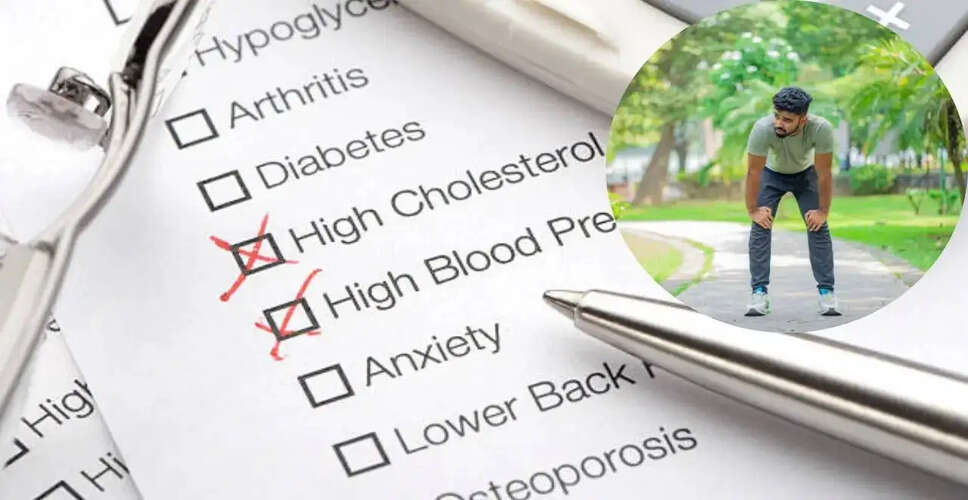
Understanding High LDL Cholesterol
High levels of LDL cholesterol, commonly referred to as “bad cholesterol,” pose a significant risk for heart disease and stroke without showing obvious symptoms. Experts indicate that elevated cholesterol levels occur when there is an excess of lipids or fats in the bloodstream. Although it often goes unnoticed, high cholesterol can subtly impact your daily life. During activities such as walking, your body may exhibit warning signs that should not be overlooked. Here are five indicators of high LDL cholesterol that you might experience while walking, along with reasons to take them seriously.
Breathlessness
Breathlessness
Walking is beneficial for both physical and mental well-being, but if you find yourself struggling to breathe during your walks, it could signal a serious issue. Unexplained breathlessness may indicate that your heart is not functioning optimally due to narrowed or blocked arteries. High cholesterol can impede the flow of oxygen-rich blood, forcing your heart to exert more effort, particularly during physical exertion, leading to breathing difficulties.
Leg Cramps
Recurrent Cramps in the Legs
If you experience pain, cramps, or a heavy sensation in your legs while walking, it may indicate peripheral artery disease (PAD). This condition arises when cholesterol accumulation narrows the blood vessels in the legs. Although the discomfort may subside with rest, it often returns upon resuming walking. The plaque buildup in the arteries that supply blood to the legs can slow down circulation, resulting in pain and heaviness.
Cold Extremities
Coldness in Extremities
Have you noticed that your hands and feet feel unusually cold, particularly after physical activity? This could indicate poor blood circulation due to elevated cholesterol levels. Experts explain that when arteries narrow, blood flow to the extremities is compromised, leading to a cold sensation. If you frequently experience this symptom, it’s crucial to consult your doctor to evaluate your cholesterol and vascular health.
Extreme Fatigue
Extreme Fatigue
Fatigue is a common symptom of high cholesterol that often goes unrecognized, as it is a general issue many people face. However, medical professionals note that high cholesterol can lead to increased production of LDL. As this cholesterol accumulates, it can become hard and sticky, making it challenging for the heart to pump blood effectively. Additionally, plaque buildup in the arteries that supply blood to the heart can reduce blood flow and oxygen supply, contributing to fatigue.
Chest Pain
Chest Pain
Experiencing chest pain is always a concerning sign regarding your health, particularly your heart. High LDL cholesterol is linked to atherosclerosis, a condition characterized by narrowed arteries due to plaque buildup, which can lead to angina—a type of chest pain that occurs when the heart muscle lacks sufficient blood supply. If you feel pressure, tightness, or pain in your chest while walking, it is vital to seek medical attention immediately to rule out serious health issues.
Importance of Recognizing These Signs
Why Do These Signs Matter?
High LDL cholesterol contributes to plaque formation in arteries, which can hinder blood flow throughout the body. Over time, this increases the likelihood of heart attacks, strokes, and vascular diseases. The challenge lies in the fact that many individuals remain unaware of their high cholesterol levels until complications arise. If you notice any of these symptoms, especially if they recur, it is essential to seek medical advice. A simple blood test or lipid profile can help determine your cholesterol levels.