
Recognizing the Hidden Signs of High Cholesterol

Understanding High Cholesterol
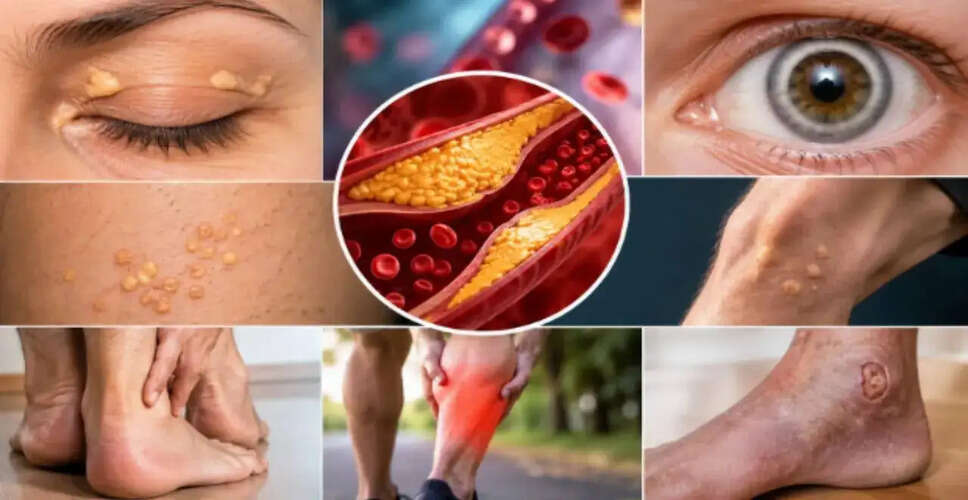
Often referred to as the "silent disease," high cholesterol typically does not present any obvious symptoms. The American Heart Association (AHA) emphasizes that the most reliable method to determine your cholesterol levels is through a blood test. However, some individuals, particularly those with familial hypercholesterolaemia—a genetic disorder leading to extremely high cholesterol—may exhibit visible signs on their skin, eyes, tendons, and legs. While these indicators do not definitively confirm high cholesterol, they should not be overlooked. Timely diagnosis and treatment can greatly diminish the chances of developing heart disease, stroke, or peripheral artery disease (PAD).
Seven Warning Signs of High Cholesterol
1. Yellow Patches Around the Eyelids
Soft, flat yellow patches known as xanthelasma can form around the eyelids due to cholesterol deposits under the skin. Research from Harvard Health Publishing indicates that approximately half of those with xanthelasma may have high cholesterol or another lipid disorder. While these patches are generally harmless, they could signal a need for cholesterol testing.
2. Grey or White Ring Around the Cornea
A greyish-white ring, referred to as corneal arcus, may develop around the colored part of the eye, often associated with aging. However, if this occurs before age 45, it might indicate familial hypercholesterolaemia, which is linked to dangerously high levels of LDL ("bad") cholesterol and an increased risk of early heart disease.
3. Yellow or Orange Waxy Bumps on the Skin
High cholesterol can manifest as yellow or orange waxy bumps, known as xanthomas, appearing on various body parts such as elbows, knees, hands, feet, buttocks, or around the eyes. These fatty deposits often signify significantly elevated cholesterol or triglyceride levels and should be assessed by a healthcare professional.
4. Sudden Yellow or Red Skin Clusters
Small yellow or reddish bumps that suddenly emerge on the arms, legs, back, or buttocks may be eruptive xanthomas, typically associated with very high triglyceride levels and sometimes linked to uncontrolled diabetes. Immediate medical evaluation is crucial, as extremely high triglycerides can heighten the risk of pancreatitis.
5. Thickened Achilles Tendon or Finger Tendons
In individuals with familial hypercholesterolaemia, cholesterol can accumulate in the Achilles tendon and finger tendons, causing them to appear enlarged or feel unusually thick. These tendon deposits are classic indicators of inherited high cholesterol and necessitate further testing.
6. Leg Pain or Cramps While Walking
Experiencing persistent pain, cramping, or heaviness in the calves during walking that alleviates with rest may indicate peripheral artery disease (PAD). High cholesterol contributes to plaque buildup in arteries, limiting blood flow to the legs. PAD is not only painful but also indicates widespread atherosclerosis, increasing the risk of heart attack and stroke.
7. Cold Feet or Slow-Healing Leg Wounds
Poor circulation due to cholesterol-clogged arteries can result in cold feet, slow-healing sores, or wounds on the legs. In advanced cases, the skin may appear pale and shiny, and hair growth on the legs may diminish due to reduced blood supply.
When to Get Tested
Regular Screening Recommendations
Since high cholesterol often develops without symptoms, the AHA advises regular cholesterol screenings, particularly if you have:
- A family history of high cholesterol or heart disease
- Diabetes or high blood pressure
- Obesity
- A history of smoking
- A sedentary lifestyle
The positive aspect is that high cholesterol is manageable. Adopting a heart-healthy diet, engaging in regular exercise, maintaining a healthy weight, avoiding tobacco, and taking prescribed cholesterol-lowering medications can significantly lower your cardiovascular risk. If you observe any of these warning signs, especially alongside a family history of heart disease, consult your doctor for a lipid profile test. Early detection is the best defense against the serious complications associated with high cholesterol.
Disclaimer: This article is for informational purposes only and is not a substitute for professional medical advice.