
Recognizing the Early Signs of Vitamin B12 Deficiency
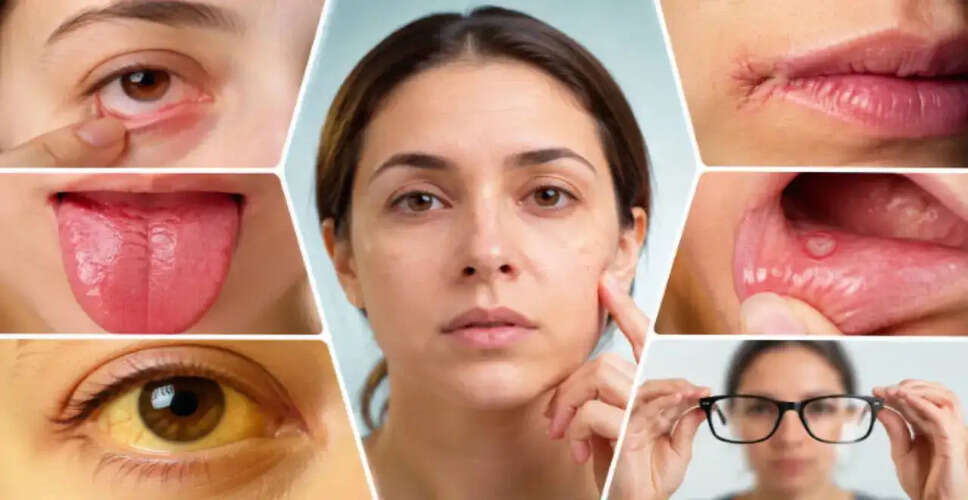

Understanding Vitamin B12 Deficiency
Vitamin B12 is crucial for various bodily functions, including the formation of red blood cells, maintaining nerve health, and DNA synthesis. Insufficient intake or absorption of this vitamin can lead to deficiencies that impact several organs, particularly the skin, mouth, and eyes. Early symptoms often manifest visibly, allowing for timely medical intervention to avoid severe complications like nerve damage.
Pale Skin and Eyelids
Pale Skin or Inner Eyelids
One of the first indicators of a vitamin B12 deficiency is a noticeable paleness of the skin. This deficiency can result in megaloblastic anemia, where the body produces fewer healthy red blood cells, leading to reduced oxygen delivery to tissues and a paler complexion. Medical professionals may also check the lower eyelids for conjunctival pallor, which can suggest anemia linked to low vitamin B12 levels.
Cracked Corners of the Mouth
Cracked Corners of Your Mouth
Angular cheilitis, characterized by painful cracks at the corners of the lips, may indicate a vitamin B12 deficiency. These cracks can become red, inflamed, and painful, especially during eating or speaking. Since similar symptoms can arise from iron deficiency or fungal infections, a thorough medical assessment is essential.
Changes in Tongue Appearance
A Smooth, Red, or Swollen Tongue
Glossitis, or inflammation of the tongue, is a classic sign of vitamin B12 deficiency. The tongue may appear bright red, smooth, and swollen, often causing discomfort. The tiny bumps on the tongue, known as papillae, may diminish, resulting in a notably smooth appearance. Some individuals may also experience burning sensations, pain while swallowing, heightened sensitivity to spicy foods, and altered taste sensations.
Mouth Sores and Red Patches
Recurring Mouth Sores or Red Patches
Frequent mouth ulcers or persistent red patches can be indicative of a vitamin B12 deficiency. These sores may appear on the tongue, gums, inner cheeks, and lips. While occasional ulcers are common, recurring or slow-healing sores should prompt a consultation with a healthcare provider.
Yellowing of Skin and Eyes
Yellowish Skin or Eyes
In some cases, a vitamin B12 deficiency can lead to mild jaundice, resulting in a yellowish tint to the skin or the whites of the eyes. This occurs when abnormal red blood cells break down more rapidly than normal, raising bilirubin levels in the bloodstream. Although less common than paleness, any yellowing of the skin or eyes should be evaluated by a medical professional.
Vision Changes
Vision Changes
In rare instances, prolonged vitamin B12 deficiency can harm the optic nerve, which is responsible for transmitting visual information from the eyes to the brain. Symptoms may include blurred vision, decreased visual sharpness, difficulty distinguishing colors, and blind spots.
Double Vision
Double Vision
Any unexplained changes in vision should be assessed immediately, as untreated nerve damage can lead to permanent issues.
At-Risk Groups
Who is Most at Risk?
Certain populations are more susceptible to vitamin B12 deficiency, including:
- Individuals adhering to strict vegan or vegetarian diets without supplementation
- Adults aged 50 and older
- People with Crohn's disease or celiac disease
- Those who have undergone stomach or weight-loss surgeries
- Individuals taking metformin for diabetes or long-term proton pump inhibitors for acid reflux
When to Seek Medical Advice
When Should You See a Doctor?
While facial and eye changes alone do not confirm a vitamin B12 deficiency, persistent symptoms—especially when accompanied by fatigue, weakness, numbness, tingling in extremities, memory issues, or balance problems—should not be overlooked. A simple blood test can determine vitamin B12 levels and whether treatment is necessary. Early detection is vital, as prolonged deficiency can lead to irreversible nerve damage. Recognizing the early signs, such as pale skin, cracked lips, a smooth tongue, recurring mouth sores, yellowish skin, and vision changes, can help prevent serious complications and restore healthy vitamin B12 levels through dietary adjustments, supplements, or medical intervention.