
Recognizing the Early Signs of Hepatitis: What You Need to Know

Understanding Hepatitis Symptoms
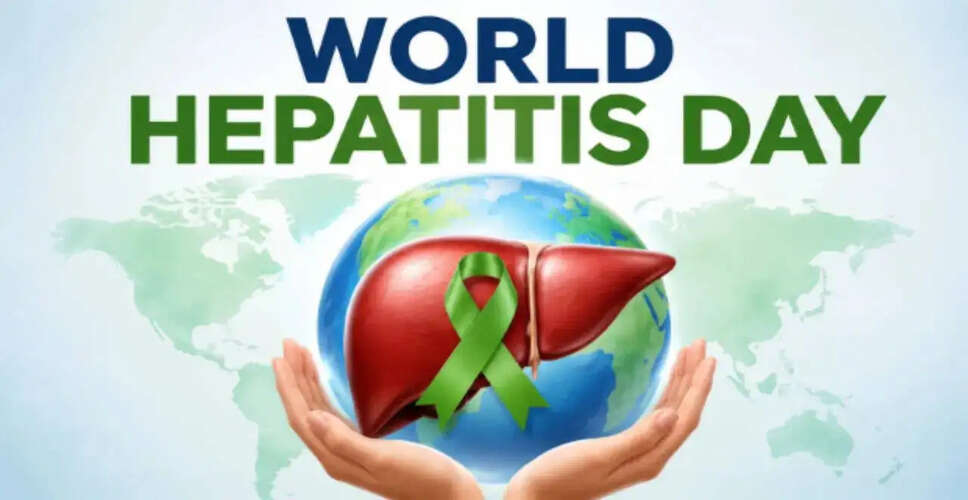
Constant fatigue is often attributed to stress, inadequate sleep, or a busy lifestyle. However, ongoing tiredness can sometimes indicate a more serious condition, such as hepatitis, which is the inflammation of the liver and can silently harm this crucial organ. On World Hepatitis Day, health professionals are emphasizing the importance of recognizing subtle signs. The World Health Organization (WHO) reports that viral hepatitis leads to over a million fatalities annually, primarily because many individuals remain undiagnosed until the illness has advanced. Early identification and prompt treatment can avert severe liver damage, cirrhosis, and even liver cancer. Here are ten early indicators of hepatitis that should not be overlooked.
Unexplained Fatigue
One of the most prevalent early signs of hepatitis is unexplained fatigue. Unlike typical tiredness, this type of exhaustion does not improve with sufficient rest or sleep. Inflamed liver cells struggle to carry out essential metabolic functions, leaving you feeling perpetually drained.
Decreased Appetite
A sudden disinterest in food without any clear reason may signal liver inflammation. Hepatitis can disrupt digestion and metabolism, making eating uncomfortable and potentially leading to unintended weight loss.
Nausea and Vomiting
Frequent feelings of nausea, particularly after meals, may arise due to the liver's reduced efficiency in processing toxins and digesting fats. While occasional nausea is common, persistent symptoms should prompt a medical evaluation.
Pain in the Upper Right Abdomen
The liver is located beneath the right rib cage, and inflammation can lead to a dull ache or tenderness in this area. While not everyone experiences pain, ongoing discomfort should not be ignored.
Dark Urine
Urine that appears unusually dark, even with adequate hydration, may serve as an early warning sign. This occurs when bilirubin, a yellow pigment typically processed by the liver, accumulates in the bloodstream and is excreted through urine.
Yellowing of Skin and Eyes
Jaundice is a key symptom of hepatitis. When the liver fails to effectively eliminate bilirubin, the skin and the whites of the eyes may develop a yellow tint. This symptom requires immediate medical attention.
Pale Stools
Healthy bile produced by the liver gives stools their typical brown color. Impaired liver function can reduce bile flow, resulting in pale, grey, or clay-colored stools.
Itchy Skin
Persistent itching without an identifiable skin condition may suggest liver disease. The accumulation of bile salts under the skin can cause widespread itching, often worsening at night.
Flu-like Symptoms
Acute viral hepatitis may initially mimic flu symptoms, including low-grade fever, muscle aches, headaches, and general malaise. These symptoms are often mistaken for a seasonal viral infection.
Easy Bruising or Bleeding
As hepatitis advances, the liver produces fewer proteins necessary for blood clotting, leading to frequent bruising, bleeding gums, or prolonged bleeding from minor cuts.
Who is at Risk?
Certain populations are more susceptible to hepatitis, including:
- Individuals with unprotected sexual exposure
- Those who share needles
- Healthcare workers exposed to blood
- People with high alcohol consumption
- Individuals with obesity or fatty liver disease
- Travelers to areas with poor sanitation (for hepatitis A and E)
Vaccines are available for hepatitis A and B, while hepatitis C can now be effectively treated with modern antiviral therapies.
When to Consult a Doctor
If fatigue persists for more than a few weeks, particularly if accompanied by jaundice, abdominal pain, dark urine, or unexplained weight loss, seek medical advice. Healthcare providers can diagnose hepatitis through liver function tests (LFTs), blood tests for hepatitis viruses, and imaging studies if necessary. Simple preventive measures can significantly lower your risk:
- Get vaccinated against hepatitis A and B.
- Practice safe sex.
- Avoid sharing needles or razors.
- Wash hands thoroughly and consume safe food and drinking water.
- Limit alcohol consumption.
- Maintain a healthy weight to reduce the risk of fatty liver disease.