
Recognizing Liver Disease: Key Symptoms and Prevention Tips
Understanding the Importance of Liver Health
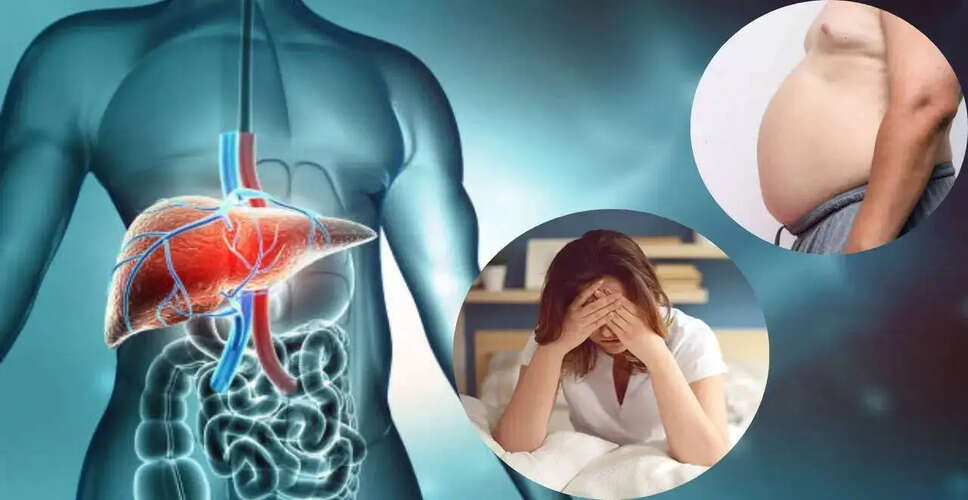
The liver is an essential organ that plays a crucial role in filtering toxins, metabolizing nutrients, regulating hormones, storing energy, and bolstering the immune system. Although it may not be at the forefront of your mind, everything you consume or absorb is processed by this vital organ. Therefore, any dysfunction in the liver should be taken seriously. Initially, liver issues may go unnoticed, but as the condition worsens, the repercussions can be severe. Medical professionals caution that liver disease often develops silently, with early symptoms being subtle or easily mistaken for minor ailments like fatigue or digestive issues. Over time, persistent damage can escalate to inflammation, cirrhosis, liver failure, or even liver cancer.
Critical Signs of Liver Disease to Watch For
Key Symptoms You Should Not Ignore
There are several warning signs of liver disease that require immediate attention:
Persistent Fatigue
If you experience ongoing exhaustion despite adequate rest, it may indicate liver problems. Fatigue can stem from various factors, including inflammation, chemical buildup, and inadequate sleep. When the liver is compromised, it fails to produce necessary metabolic chemicals, leading to a toxic buildup that results in fatigue. Additionally, recurrent infections from viruses, parasites, or contaminated food can cause liver inflammation, potentially leading to permanent damage. The discomfort and pain associated with liver disease can also disrupt sleep, further contributing to fatigue.
Sluggish Metabolism
A slow metabolism can increase the risk of liver diseases, as excess fat begins to accumulate in the liver. This buildup can lead to severe inflammation, resulting in conditions like hepatitis and non-alcoholic fatty liver disease. According to health experts, metabolic dysfunction is a prevalent cause of chronic liver disease, particularly in individuals with obesity or type 2 diabetes. The rising rates of obesity and diabetes globally have resulted in over 30% of the population experiencing this condition, which, if left untreated, can lead to serious liver complications.
Abdominal Fat Increase
A sedentary lifestyle, characterized by poor dietary choices and lack of exercise, can contribute to increased abdominal fat. However, this can also signal liver dysfunction. Fatty liver disease often leads to abdominal swelling and increased girth due to fluid accumulation in the abdominal cavity, known as ascites. This condition represents a more advanced stage of liver disease and requires urgent medical attention.
Tips for Maintaining Liver Health
How to Keep Your Liver Healthy
Experts suggest several lifestyle modifications to prevent liver diseases. Here are some essential tips to promote liver health:
Avoid Alcohol Consumption
Many people mistakenly believe that only chronic heavy drinkers develop liver cirrhosis. However, consuming just four ounces of hard liquor daily for men and two ounces for women can begin to damage the liver.
Get Vaccinated Against Hepatitis
Vaccination is crucial for preventing hepatitis, as types A and B are viral infections that affect the liver. While many children receive these vaccinations, a significant number of adults remain unvaccinated. Additionally, practicing safe sex is vital, as hepatitis B and C can lead to chronic liver conditions.
Avoid Unprescribed Medications and Supplements
Unregulated supplements are a leading cause of liver injury, with over 20% of individuals experiencing liver damage from these products. It is essential to avoid taking unprescribed medications and herbs.