
Recognizing Early Signs of Tongue Cancer: A Guide to Prevention and Treatment
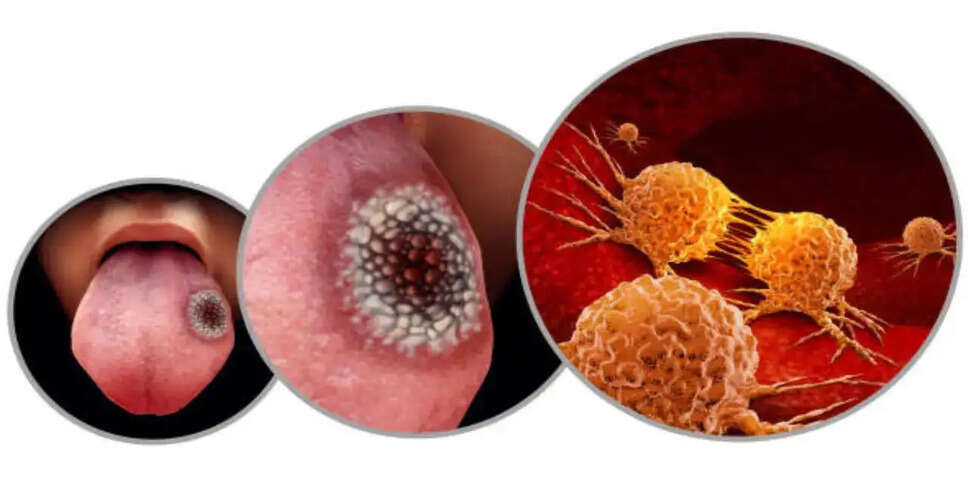
Understanding the Role of the Tongue in Health
The tongue is crucial for tasting, speaking, and maintaining oral health, but it can also indicate serious health issues, including oral cancer. Many individuals overlook these signs, confusing them with minor ailments like infections or ulcers. Dr. Yash Mathur, a Senior Consultant specializing in Head and Neck Oncology at HCG Cancer Centre, emphasizes the importance of recognizing these symptoms early, as tongue cancer is highly treatable when caught in its initial stages. Early identification of tongue cancer symptoms can greatly enhance treatment success and potentially save lives.
Identifying Early Symptoms of Tongue Cancer
Early Warning Signs of Tongue Cancer
Dr. Mathur points out that one of the main difficulties with oral cancer is that its symptoms can initially seem mild. If you experience any of the following signs, it is crucial to seek medical advice promptly, as early detection is vital for effective treatment:
- Mouth ulcers that persist for more than two weeks
- Red or white patches on the tongue
- Ongoing pain, burning sensations, or numbness
- Challenges in chewing, swallowing, or speaking
- A noticeable lump or thickening on the tongue
The Rising Incidence of Oral Cancer
Why Are Oral Cancer Cases on the Rise?
India has one of the highest incidences of oral cancer worldwide, primarily due to the prevalent use of tobacco in various forms, including smoking and products like gutka and paan. Other significant risk factors include high alcohol consumption, poor oral hygiene, HPV infections, and an alarming increase in cases among younger individuals who do not exhibit traditional risk factors. Dr. Mathur stresses the urgent need for increased awareness regarding the causes and prevention of oral cancer, especially as young patients without known risk factors are being diagnosed.
The Critical Role of Early Diagnosis
The Importance of Early Diagnosis
Detecting tongue cancer early can lead to life-altering outcomes. When identified in its early stages, the condition is highly manageable and often requires only minor surgical procedures. Patients typically experience quick recovery with minimal disruption to their speech and swallowing abilities. Conversely, a late diagnosis can result in advanced cancer stages, necessitating more aggressive treatments like chemotherapy, radiation, and extensive surgeries, which complicate recovery and diminish quality of life. Regular self-examinations and dental check-ups are recommended, and any persistent lesions should be evaluated by a healthcare professional without delay.
Innovations in Tongue Cancer Treatment
Advances in Tongue Cancer Treatment
Recent advancements in medical technology have significantly enhanced treatment options for tongue cancer. Robotic surgery is one of the most promising developments, allowing for precise tumor removal while preserving surrounding healthy tissue. Coupled with targeted therapies and improved diagnostic methods, these innovations are changing patient outcomes for the better. The benefits of this approach include:
- Quicker recovery times
- Fewer complications
- Enhanced preservation of speech and swallowing capabilities
Preventive Measures and Awareness
Prevention and Awareness
Preventing oral cancer begins with making informed lifestyle choices and raising awareness. You can lower your risk by:
- Steering clear of all forms of tobacco
- Limiting alcohol intake
- Practicing good oral hygiene
- Getting vaccinated against HPV
- Scheduling regular dental and medical check-ups