
Public Health Preparations for FIFA World Cup 2026

Health Experts Gear Up for FIFA World Cup 2026
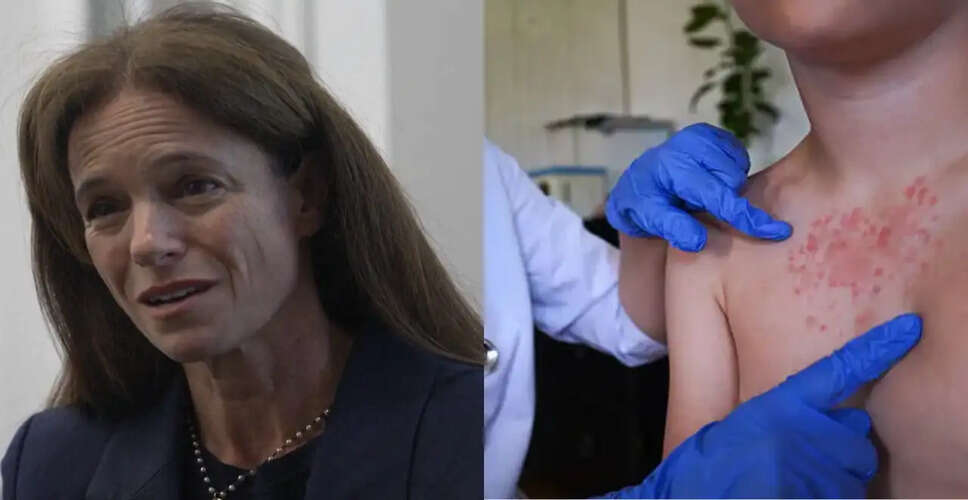
As the FIFA World Cup 2026 approaches, millions of fans are set to travel across North America starting June 11. Rebecca Katz, a professor and director at Georgetown University's Center for Global Health Science and Security, highlights that health professionals are proactively addressing potential public health issues that may arise from the large influx of attendees. With matches scheduled in various cities and countries, Katz emphasizes the need for vigilance against possible infectious disease outbreaks that could occur during such significant international events. Recent outbreaks of Hantavirus, Norovirus, and Ebola underscore her concerns.
"We have repurposed an old microbiology lab," Katz notes, explaining that gatherings of people, especially from diverse global backgrounds, increase the risk of disease transmission. To combat this, Katz and her team have established a health security operations center aimed at monitoring infectious disease threats throughout the summer, whether linked to the World Cup or other mass gatherings.
This initiative operates independently but aims to bolster local and federal health efforts, functioning similarly to an air traffic control system by facilitating information sharing across various agencies. "We are working in support of local, state, and federal health officials," she states.
A key component of their preventive strategy involves analyzing wastewater surveillance data from across the nation, alongside existing records of viral outbreaks. Katz explains, "Wastewater surveillance companies are contributing valuable data, allowing us to analyze trends related to viruses like SARS, COVID, influenza, norovirus, and rotavirus across different jurisdictions."
Experts are particularly vigilant regarding measles, with Katz presenting a map illustrating case distributions up to May 30. She expresses concern over certain areas experiencing higher-than-desired case numbers. "There are epicenters where we are seeing more cases than we would like," she remarks.
Interestingly, Katz is not alone in her concerns about potential measles outbreaks coinciding with the World Cup. "Many of our international partners are apprehensive about measles being brought back to their countries after the games," she reveals. The strategy is straightforward: identify early warning signs and promptly alert public health authorities. "We aim to provide early warnings to public health professionals responsible for managing any emerging issues," she explains.
Katz reassures that the goal is not to instill fear among passionate football fans. The extensive behind-the-scenes efforts are designed to ensure public safety, allowing fans to enjoy the tournament without worry. "Our mission is to operate quietly in the background, ensuring that the public can safely enjoy the games and focus on their love for soccer or football," she concludes.