
Public Health Measures in Place for FIFA World Cup Amid Disease Concerns
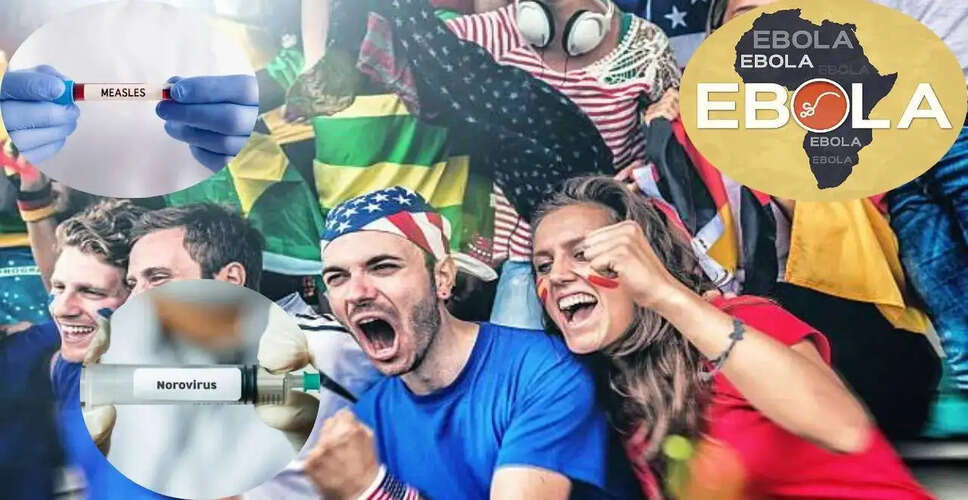

Health Challenges During the FIFA World Cup
As football enthusiasts flock to various venues across North America for the FIFA World Cup, health experts are gearing up to tackle a significant challenge: curbing the spread of infectious diseases. While the immediate threats include extreme heat and dehydration, officials are also vigilant about the potential for outbreaks of highly contagious illnesses such as measles, norovirus, dengue fever, and hepatitis A. The influx of international visitors, each with different vaccination statuses and health risks, creates a perfect storm for rapid disease transmission.
Measles: A Major Health Concern
Measles has emerged as a primary concern in both the United States and Canada this year. This viral infection is known for its high contagion rate, with one infected individual capable of spreading the virus to as many as 18 unvaccinated people. The challenge lies in the fact that measles can be transmitted even before symptoms like fever and rash manifest. Public health authorities are advising travelers to confirm their vaccination status prior to attending World Cup events, as the risk of outbreaks could escalate in large gatherings.
Monitoring Potential Outbreaks
To proactively manage health risks, surveillance teams are employing various advanced monitoring techniques. These include wastewater analysis, tracking emergency room visits, laboratory testing, and even monitoring social media for unusual health patterns. Wastewater testing has proven particularly effective, as it can detect viruses and bacteria in sewage before individuals seek medical attention. Recent efforts have uncovered pathogens like norovirus, rotavirus, and hepatitis A in certain areas, enabling authorities to keep a close watch on their spread.
Focus on Mosquito-Borne Diseases
Health experts are also monitoring mosquito-borne illnesses such as dengue fever, chikungunya, and West Nile virus. The combination of rising temperatures and increased global travel can facilitate the spread of these diseases beyond their usual regions. In response, several host cities have enhanced their mosquito surveillance initiatives and improved vector control strategies. Officials are actively monitoring mosquito populations and testing them for viruses that cause diseases to prevent potential outbreaks.
Ebola Risk Remains Low
While there are ongoing concerns regarding the Ebola outbreak in parts of Africa, infectious disease experts assert that the risk of Ebola transmission during the World Cup is minimal. Unlike measles or respiratory viruses, Ebola requires direct contact with bodily fluids from symptomatic individuals and is not transmitted through the air. Current travel screening and public health measures further mitigate the risk of the virus spreading internationally during the tournament.
Learning from Past Events
The extensive disease surveillance measures in place for the World Cup are informed by lessons learned from previous global sporting events. Past occurrences, such as the Olympics, have seen outbreaks of illnesses like measles and norovirus, highlighting how swiftly infections can spread in large crowds. These experiences underscore the necessity for strong public health preparedness, rapid detection systems, and coordinated response strategies.
Protecting Yourself During the Tournament
Health experts stress that fans can contribute to preventing disease transmission. Staying current with vaccinations, practicing good hand hygiene, consuming safe drinking water, avoiding mosquito bites, and refraining from attending events when feeling unwell can significantly lower the risk of infection. As the world unites to celebrate football's premier tournament, public health officials will be diligently working to ensure that the focus remains on the excitement of the games rather than the threat of infectious disease outbreaks.