
Protecting Seniors from Heat-Related Illnesses: Essential Tips for Summer Safety

Understanding the Risks of Heat for Seniors
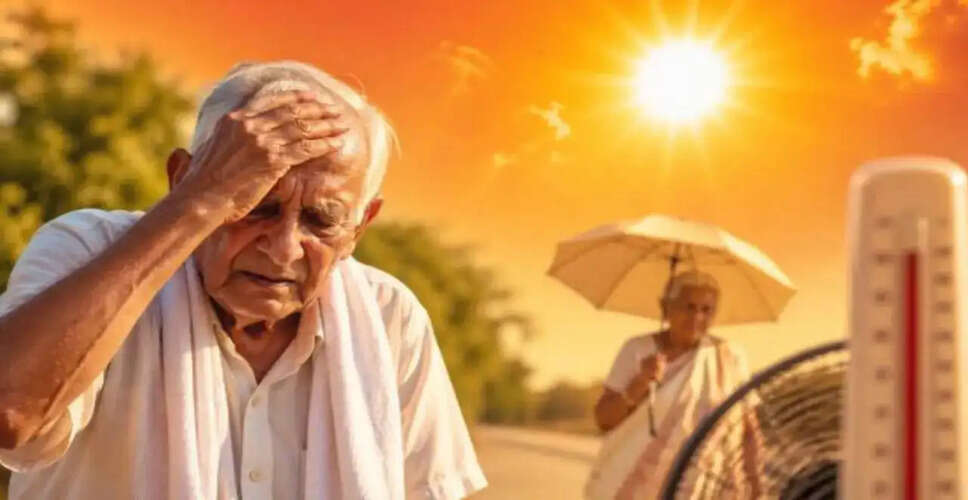
As summer temperatures rise and the UV index escalates to hazardous levels, health professionals are alerting that older adults are at a significantly heightened risk of experiencing sunstroke and other heat-related ailments. With the increasing frequency of extreme heat, it is vital to comprehend how UV exposure impacts the elderly population. Dr. Vyankatesh Shivane, a Consultant Diabetologist and Metabolic Physician at Jaslok Hospital and Research Centre, emphasizes that “senior citizens are particularly vulnerable to sunstroke when UV levels reach dangerous thresholds.”
Why Are Older Adults More Susceptible to Sunstroke?
Sunstroke, or heatstroke, occurs when the body overheats and loses its ability to regulate temperature, potentially leading to severe complications like dehydration, confusion, and organ damage. Seniors are more at risk due to several factors:
- Decreased ability to manage body temperature
- Reduced thirst sensation, heightening dehydration risk
- Presence of chronic health issues such as diabetes or kidney disease
- Medications that may impact hydration and heat tolerance
Dr. Shivane notes that these factors make older adults particularly vulnerable during heatwaves and high UV conditions, which can quickly become life-threatening.
How UV Levels Elevate Health Risks
The UV index indicates the intensity of ultraviolet radiation from the sun. When it reaches the “danger zone,” prolonged exposure can result in:
- Severe sunburn
- Heat exhaustion and sunstroke
- Increased likelihood of dehydration
Additionally, long-term skin damage can occur. The UV radiation is strongest during peak hours, typically from noon until late afternoon, making outdoor activities particularly hazardous during this time.
Recognizing Symptoms of Sunstroke
Identifying early signs of sunstroke is crucial for timely intervention. Key symptoms to watch for include:
- Elevated body temperature
- Dizziness or confusion
- Rapid heartbeat
- Nausea or vomiting
- Dry or flushed skin
Seeking immediate medical help is essential if these symptoms manifest.
Preventive Measures Against Sunstroke for Seniors
Implementing simple strategies can greatly diminish the risk of heat-related illnesses:
Stay Hydrated
Ensure adequate fluid intake by drinking water, fresh juices, and other hydrating beverages throughout the day. Proper hydration is vital for maintaining body temperature and preventing dehydration, especially for those with chronic conditions. Dr. Shivane advises that individuals with diabetes, kidney issues, and similar ailments should be particularly vigilant.
Avoid Peak Sun Hours
Limit outdoor activities during the hottest parts of the day, typically from noon to late afternoon, when heat and UV radiation levels are at their peak.
Use High SPF Sunscreen
Apply sunscreen with a high Sun Protection Factor (SPF) to shield against harmful UV rays and prevent sunburn.
Wear Protective Clothing
Opt for lightweight, loose-fitting garments, hats, and sunglasses to enhance protection from direct sunlight.
Monitor Vitamin D Levels
While sunlight is essential for vitamin D production, excessive exposure should be avoided. Vitamin D supplementation may be necessary, and consulting a healthcare provider is advisable.
As climate change leads to more frequent and intense heatwaves, the risk of UV-related health issues among seniors is likely to increase. Raising public awareness and taking preventive measures are crucial for safeguarding vulnerable populations. High UV levels pose a serious health threat, particularly for older adults. By staying hydrated, avoiding peak sun exposure, and utilizing appropriate protective measures, seniors can significantly lower their risk of sunstroke and enjoy a safer summer.