
Protect Your Knees: The Hidden Dangers of Weight Gain

Understanding the Impact of Weight on Knee Health
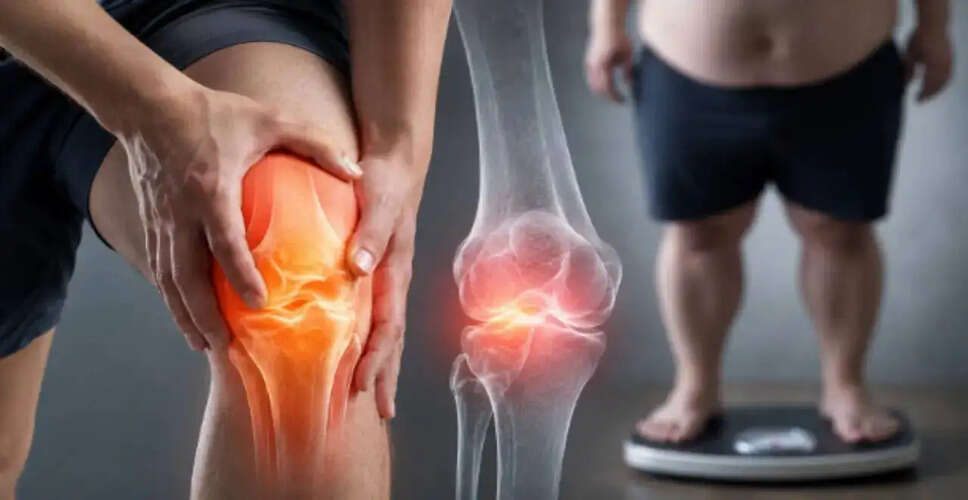
While many associate weight gain with health issues like diabetes and heart disease, orthopaedic specialists highlight that excess weight can severely affect knee health. Each kilogram of additional weight increases the strain on knee joints, leading to cartilage deterioration, chronic pain, and a heightened risk of osteoarthritis. Dr. B R Bagaria, an orthopaedic consultant at Manipal Hospital, emphasizes that maintaining a healthy weight is crucial for joint protection and mobility as one ages.
Why Excess Weight Affects Your Knees
The knees serve as the body's primary weight-bearing joints, absorbing shock during activities such as walking and climbing stairs. Studies indicate that every extra kilogram of body weight exerts multiple times that force on the knee joint during movement. This continuous pressure accelerates cartilage wear, leading to inflammation, pain, and stiffness, ultimately resulting in osteoarthritis. Dr. Bagaria notes that individuals may experience stiffness and discomfort after prolonged walking, along with swelling or a crunching sensation during movement.
Common symptoms of weight-related knee issues include:
- Stiffness in the morning
- Pain after walking or climbing stairs
- Swelling around the knee
- A clicking or crunching sound during movement
- Decreased flexibility and mobility
Neglecting these signs can lead to worsening joint damage, making daily activities increasingly challenging.
Diagnosing Knee Damage Linked to Weight
Diagnosis begins with a thorough medical history and physical examination. Dr. Bagaria explains that orthopaedic specialists assess pain levels, joint movement, swelling, and walking patterns. Depending on the findings, doctors may suggest:
- X-rays to check for joint space narrowing and osteoarthritis signs
- MRI scans to identify cartilage, ligament, or soft tissue injuries
- Blood tests to exclude inflammatory conditions like rheumatoid arthritis if necessary
Treatment Options for Knee Pain
Fortunately, many patients benefit from non-surgical treatments, especially when addressed early. Dr. Bagaria mentions several effective approaches, including weight loss to alleviate joint pressure, physiotherapy, muscle-strengthening exercises, appropriate pain relief medications, knee braces for support, and modifying activities to reduce joint strain. In cases of advanced osteoarthritis with persistent pain and limited mobility, Total Knee Replacement (TKR) may be advised. Robotic-assisted knee replacement surgery offers enhanced precision and personalized implant placement, potentially improving outcomes for eligible patients.
Lifestyle Changes to Safeguard Your Knees
Implementing small lifestyle adjustments can significantly reduce the risk of knee damage:
- Maintain a healthy weight: Even slight weight loss can relieve stress on knee joints and enhance mobility.
- Opt for low-impact exercises: Activities like swimming, cycling, yoga, brisk walking, and water aerobics strengthen muscles while minimizing joint stress.
- Strengthen leg muscles: Building strong thigh and hip muscles offers better support and stability for the knees.
- Follow an anti-inflammatory diet: Incorporate fruits, vegetables, whole grains, lean proteins, nuts, seeds, and omega-3-rich foods while reducing processed foods and sugars.
- Avoid prolonged inactivity: Regular movement and stretching are essential to prevent stiffness and maintain joint flexibility.