
Penelope Cruz's Health Scare Highlights Brain Aneurysm Awareness

Penelope Cruz's Frightening Experience
Actress Penelope Cruz recently shared a terrifying health incident that made her fear for her life while working on her new film, The Black Ball (La Bola Negra). She disclosed that just before filming intense late-night scenes, doctors alerted her to a potential brain aneurysm. Cruz recounted, “I thought I was about to die,” as she received the alarming news while getting ready backstage. Fortunately, the 53-year-old star was given medical clearance the next day, allowing her to resume filming. This incident has reignited public interest in understanding the symptoms and warning signs of brain aneurysms, as well as the critical need for early detection.
Understanding Brain Aneurysms
What is a brain aneurysm?
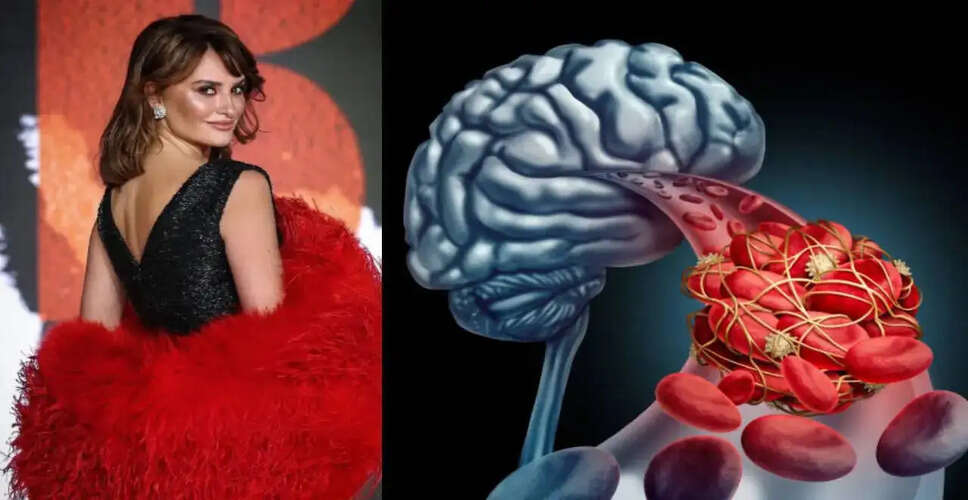
A brain aneurysm occurs when a weakened blood vessel in the brain bulges, creating a balloon-like formation. While some aneurysms may remain undetected and harmless for years, others can rupture unexpectedly, leading to severe bleeding in the brain, known as a hemorrhagic stroke. A ruptured aneurysm is a medical emergency that can result in:
- Brain damage
- Stroke
- Permanent neurological disability
- Coma
- Death
Experts emphasize that immediate medical intervention is crucial in the event of a rupture.
Recognizing Warning Signs
Warning signs of a brain aneurysm
Many unruptured aneurysms may not exhibit symptoms initially. However, larger aneurysms or those that press on nearby nerves can present warning signs. Symptoms may include severe headaches, blurred or double vision, eye pain, neck pain, facial numbness, dizziness, difficulty speaking, and light sensitivity. The most alarming symptom is often a sudden, intense headache described as “the worst headache of my life.” Immediate medical attention is essential if this occurs.
Identifying Risk Factors
Risk factors doctors warn about
Several factors can elevate the risk of developing brain aneurysms, including:
- High blood pressure
- Smoking
- Family history
- Heavy alcohol consumption
- Drug abuse
- Age
- Certain genetic conditions
Research indicates that women may have a slightly higher risk compared to men.
Importance of Early Diagnosis
Why is early diagnosis important?
Many aneurysms are often discovered incidentally during brain scans for unrelated issues. Early detection can enable healthcare providers to monitor or treat aneurysms before they rupture. Depending on the size and risk, treatment options may include monitoring through scans, managing blood pressure, surgical clipping, or endovascular coiling. Advances in imaging technology are aiding in the earlier detection of aneurysms.
Cruz's Changed Perspective
Penélope says the experience changed her perspective
Cruz described her experience as surreal and emotionally taxing. She reflected, “This is something that was totally surreal in my life,” noting how it altered her outlook on life and resilience. Health professionals assert that stories from celebrities can significantly raise awareness about silent yet potentially dangerous medical conditions that many might overlook. They stress that neurological symptoms, particularly sudden severe headaches, vision changes, weakness, confusion, or speech difficulties, should never be taken lightly. Recognizing these symptoms early and seeking prompt medical care can greatly enhance survival and recovery rates in brain aneurysm emergencies.