
Norovirus Outbreak Affects Passengers on Caribbean Cruise Ship
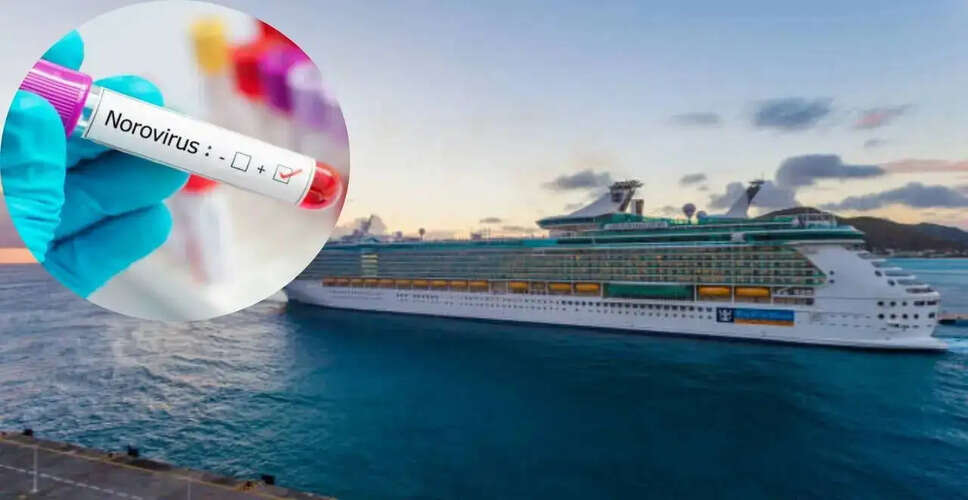
Norovirus Cases on the Star Princess
Over 150 individuals aboard the Star Princess, a cruise ship navigating the Caribbean, reported illnesses linked to norovirus, as stated by the Centers for Disease Control and Prevention (CDC). Among those affected, 104 were passengers while 49 were crew members. The CDC's report indicated that symptoms included severe diarrhea and vomiting.
In response to the outbreak, Princess Cruises implemented enhanced cleaning and disinfection protocols. Passengers and crew who exhibited symptoms were isolated until they could safely disembark. The cruise line also collaborated with the CDC to adopt effective measures for combating the highly contagious virus.
After the incident, the ship returned to Ft. Lauderdale before setting off on another journey to Princess Cays in the Bahamas. Symptoms experienced by the ill passengers included:
- Vomiting
- Diarrhea
- Stomach cramps
- Nausea
These symptoms can manifest suddenly and are known to spread rapidly in environments where many people share dining areas, restrooms, and recreational facilities. The CDC identifies norovirus as the primary cause of diarrhea and vomiting outbreaks in the United States, with transmission occurring through direct contact, consumption of contaminated food and drinks, and touching infected surfaces. Preventative measures include regular disinfection of surfaces and frequent handwashing.
Understanding the Rapid Spread of Norovirus on Cruise Ships
Why Norovirus Spreads Quickly on Cruise Ships
Norovirus is a leading cause of gastroenteritis globally and is known for its high contagion rate. Health professionals note that the virus spreads through contaminated food or water, contact with infected individuals, and touching surfaces that harbor the virus before touching the mouth. Cruise ships are particularly susceptible due to the close quarters shared by thousands of passengers, including dining and entertainment areas. Even a few cases can escalate quickly without prompt hygiene measures. The virus can persist on surfaces for extended periods, underscoring the need for thorough cleaning and hand hygiene to avert outbreaks.
While outbreaks on cruise ships receive considerable media attention, they are relatively infrequent compared to the millions who cruise annually. Cruise operators must report gastrointestinal illness outbreaks to the CDC, which monitors cases and collaborates with ships to enforce sanitation protocols. Most norovirus infections typically resolve within one to three days, although dehydration can pose risks for older adults and other vulnerable travelers.
Preventing Norovirus Infection
How to Minimize Infection Risks
For those planning a cruise or group travel, public health experts suggest several preventive measures:
- Wash hands frequently with soap and water.
- Use hand sanitizer after touching shared surfaces.
- Avoid buffets or shared utensils if feeling unwell.
- Report any symptoms to the ship's medical staff immediately.
Prompt reporting enables cruise crews to isolate cases swiftly and prevent larger outbreaks. This recent incident serves as a crucial reminder of how quickly infectious diseases can spread in crowded travel environments. Thanks to swift sanitation efforts and medical oversight, the situation was managed effectively before it could escalate further. Nonetheless, it emphasizes the critical role of hygiene, early detection, and robust public health surveillance in safeguarding travelers at sea.