
New Study Reveals Vitamin B3's Potential in Combating Fatty Liver Disease
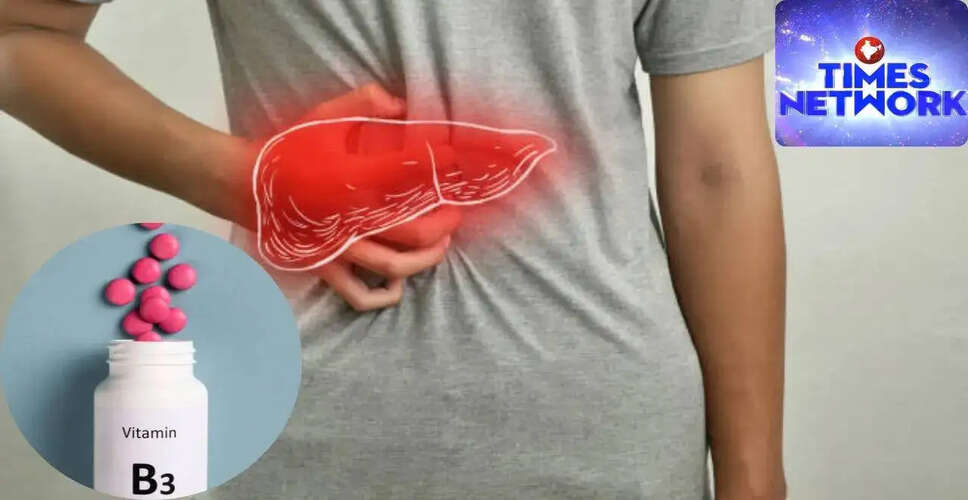
Understanding Fatty Liver Disease
Fatty liver disease has emerged as a significant health concern globally, affecting nearly 30% of the population. This condition, often linked to unhealthy diets, lack of physical activity, and increasing obesity rates, can lead to severe complications if left untreated, including inflammation, fibrosis, and cirrhosis. A recent study published in Metabolism offers promising insights, indicating that Vitamin B3, a simple and cost-effective nutrient, may help halt or even reverse liver damage.
Key Findings from the Research
What does the study reveal?
Researchers have pinpointed a crucial molecular factor contributing to fatty liver disease: microRNA-93, which is found in elevated levels in affected individuals. This molecule disrupts the function of SIRT1, a protective gene essential for fat breakdown in the liver, leading to fat accumulation and liver dysfunction.
The Role of Vitamin B3
How does Vitamin B3 contribute?
In their experiments with over 150 compounds, scientists discovered that Vitamin B3, or niacin, effectively reduces miR-93 levels, effectively “turning off” the harmful processes associated with fatty liver disease. Animal studies demonstrated that Vitamin B3 led to:
- A notable decrease in liver fat
- Enhanced insulin sensitivity
- Improved overall liver function
These results suggest that niacin could revolutionize treatment for fatty liver disease, which currently lacks targeted therapies. While lifestyle modifications are typically recommended, Vitamin B3 is already approved for cholesterol management, potentially allowing for quicker access to liver treatment.
Defining Fatty Liver Disease
What is fatty liver disease?
Fatty liver disease encompasses various conditions characterized by fat accumulation in the liver, known as steatosis. A healthy liver contains minimal fat, but issues arise when fat exceeds 5% of the liver's weight.
Causes of Fatty Liver Disease
What leads to fatty liver disease?
This condition develops when the body cannot process fats effectively and is categorized into two main types:
- Metabolic fatty liver (MAFLD/MASLD), associated with obesity, type 2 diabetes, insulin resistance, and high sugar consumption.
- Alcohol-related fatty liver (AFLD), resulting from excessive alcohol intake that harms liver cells and disrupts fat metabolism.
Other factors contributing to fatty liver disease include certain medications, rapid weight loss, hormonal disorders like PCOS, and infections such as Hepatitis C. This new research underscores the potential of a common vitamin to address one of the fastest-growing health issues globally. While further human studies are necessary, the findings provide hope that, alongside a healthy lifestyle, Vitamin B3 could serve as an accessible solution for liver health. Experts recommend consulting a healthcare professional before starting any supplements.