
New Study Offers Hope for Managing Childhood Peanut Allergies

Breakthrough in Peanut Allergy Treatment
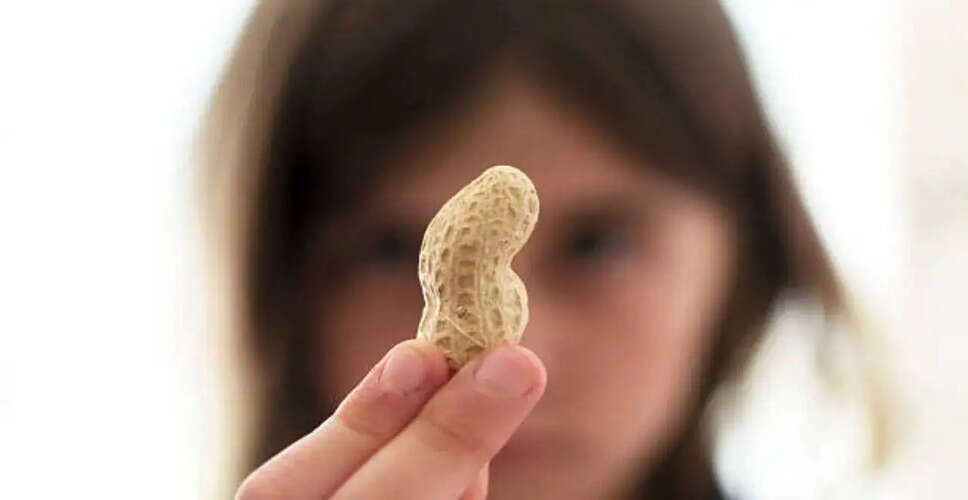
A recent study published in The Lancet Regional Health - Europe has provided new optimism for families dealing with peanut allergies in children. The research indicates that a carefully monitored low-dose oral immunotherapy (OIT) program successfully desensitized over 82% of preschool children with peanut allergies, representing a significant advancement in the treatment of food allergies. Peanut allergies are among the most prevalent and dangerous food allergies affecting children globally, where even minimal exposure can lead to severe allergic reactions, including life-threatening anaphylaxis. Traditionally, families have managed this condition through strict avoidance of peanuts, careful reading of food labels, and reliance on emergency epinephrine injections. The Swedish clinical trial, referred to as the SMACHO study, suggests that a gradual approach to peanut immunotherapy could enhance safety while enabling children to develop tolerance to peanuts over time.
Insights from The Lancet Study
What did The Lancet study reveal?
The study, conducted by researchers at Karolinska Institutet, involved 75 children aged one to three years with confirmed peanut allergies. The participants were randomly assigned to two groups: one group received low-dose peanut oral immunotherapy, while the other adhered to strict peanut avoidance. The children undergoing immunotherapy consumed very small daily amounts of peanut protein under expert supervision, with doses gradually increased over time using a careful 'slow up-dosing' method to minimize allergic reactions. The results were promising, showing that 82.5% of children in the treatment group could tolerate at least 3.5 peanuts after the therapy, even after a break from treatment. Many children managed to tolerate larger amounts without severe allergic responses. Senior researcher Caroline Nilsson noted that all children who completed the protocol reached the target tolerance level without significant complications.
The Growing Concern of Peanut Allergies
Why is peanut allergy increasingly concerning?
Health professionals have observed a rising prevalence of peanut allergies among children worldwide over recent decades. Organizations like the World Health Organization and the Centers for Disease Control and Prevention have underscored the increasing burden of food allergies globally. Symptoms of peanut allergies can vary from mild hives and stomach discomfort to severe respiratory issues, swelling, and anaphylactic shock. Beyond the physical dangers, the condition also imposes emotional stress on families, who often live in fear of accidental exposure in schools, restaurants, and social settings. Researchers suggest that early childhood may be a crucial time for the immune system's adaptability, making desensitization therapies potentially more effective.
Understanding Oral Immunotherapy
How does oral immunotherapy work?
Oral immunotherapy involves administering tiny, controlled amounts of an allergen daily, gradually increasing the dose over months or years. The goal is not necessarily to cure the allergy but to reduce sensitivity and lower the risk of severe reactions from accidental exposure. Previous studies funded by the National Institutes of Health have also shown encouraging results. One significant NIH-funded trial indicated that peanut immunotherapy desensitized 71% of children aged one to three years, with some achieving long-term remission after ceasing therapy. Experts now believe that initiating treatment earlier may yield better outcomes, as the immune system is still developing during infancy and preschool years.
Safety of the Treatment
Was the treatment safe?
Safety has always been a primary concern regarding peanut immunotherapy. Since allergic children are intentionally exposed to peanuts during treatment, reactions can occur. However, the SMACHO study's low-dose approach appeared to be significantly safer than many previous high-dose protocols. Most side effects were mild and primarily occurred during the dose escalation phases, with severe reactions being rare. Nevertheless, specialists emphasize that peanut oral immunotherapy should only be conducted under professional medical supervision. Experts from the American Academy of Allergy, Asthma, and Immunology caution that families should never attempt desensitization therapy independently.
Future of Allergy Treatment
Could lower doses change future allergy treatment?
Researchers increasingly believe that lower maintenance doses may offer a safer and more sustainable long-term strategy for children with peanut allergies. Recent studies indicate that even very small amounts of peanut protein can enhance tolerance without causing frequent severe reactions. The latest findings contribute to the growing evidence that early intervention and carefully controlled immunotherapy could transform future treatment approaches for childhood food allergies. While larger international studies are still necessary, experts suggest that this gentler method may make peanut immunotherapy safer, more effective, and more acceptable for families around the world.