
New Study Links Sugary Drinks to Increased Liver Cancer Risk
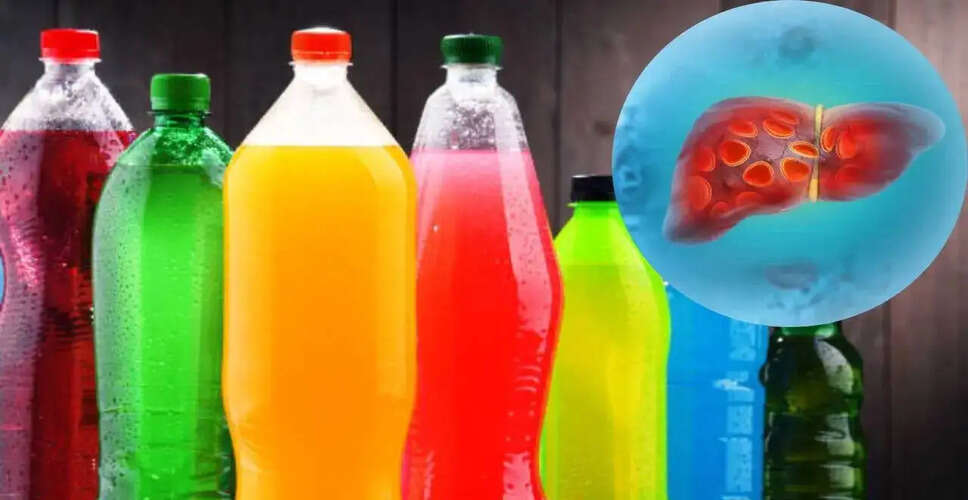

Impact of Sugary Beverages on Liver Cancer Risk
A significant study involving over 1.5 million adults has revealed a potential connection between the consumption of sugar-sweetened beverages and an elevated risk of liver cancer. The research, published in JAMA Network Open, adds to the mounting evidence that sugary drinks can adversely affect health beyond issues like obesity, diabetes, and heart disease. Researchers examined dietary and health information from 11 extensive prospective studies conducted in the United States. Participants filled out food frequency questionnaires and were monitored for nearly 18 years through cancer registries and health surveys. The aim was to assess whether the intake of sugar-sweetened or artificially sweetened beverages impacted liver cancer risk.
Sugary Drinks and Liver Cancer Subtypes
The findings indicated that a higher consumption of sugar-sweetened beverages correlates with an increased risk of two primary liver cancer types:
- Hepatocellular carcinoma (HCC) - the most prevalent form of liver cancer.
- Intrahepatic cholangiocarcinoma (ICC) - a cancer that arises in the bile ducts within the liver.
Individuals who consumed larger quantities of sugary drinks were found to be at a greater risk of developing these cancers compared to those who consumed them less frequently. Conversely, the study did not find a significant link between artificially sweetened beverages and the overall risk of liver cancer or its subtypes.
Understanding the Impact of Sugary Drinks on Liver Health
While the study does not definitively establish that sugary drinks cause liver cancer, experts suggest several biological mechanisms that could explain this association. Sugar-sweetened beverages are typically high in added sugars, especially fructose. Excessive intake of fructose has been associated with:
- Fat accumulation in the liver.
- Insulin resistance.
- Chronic inflammation.
- Obesity and metabolic syndrome.
- Non-alcoholic fatty liver disease (NAFLD).
Over time, these conditions can harm liver cells and heighten the risk of liver cancer. Previous studies have already indicated that high consumption of sugary beverages contributes to weight gain, type 2 diabetes, and cardiovascular diseases. The latest findings suggest that liver cancer could be another significant long-term health risk.
Identifying Sugar-Sweetened Beverages
Examples of sugar-sweetened beverages include:
- Regular soft drinks and sodas.
- Sweetened fruit drinks.
- Energy drinks.
- Sports drinks.
- Sweetened iced teas.
- Other drinks with added sugars.
Health professionals advise limiting these beverages and opting for healthier choices like water, unsweetened tea, sparkling water, or naturally flavored drinks.
Strategies for Reducing Liver Cancer Risk
With liver cancer rates rising globally, prevention strategies are becoming increasingly vital. While chronic hepatitis infections, alcohol consumption, obesity, and smoking are significant risk factors, dietary habits also play a crucial role. To promote liver health, experts recommend minimizing sugary drinks and processed foods, maintaining a healthy weight, engaging in regular physical activity, avoiding excessive alcohol intake, getting vaccinated against hepatitis B, and managing diabetes and metabolic conditions. The recent study, led by researcher Cody Watling from the National Cancer Institute, indicates that regular consumption of sugar-sweetened beverages may be linked to a higher risk of developing hepatocellular carcinoma and intrahepatic cholangiocarcinoma. Although further research is necessary to establish a direct cause-and-effect relationship, these findings underscore the importance of reducing sugary drink intake and adopting healthier eating habits for long-term liver health.