
New Study Highlights Liver Disease as a Major Complication of Diabetes
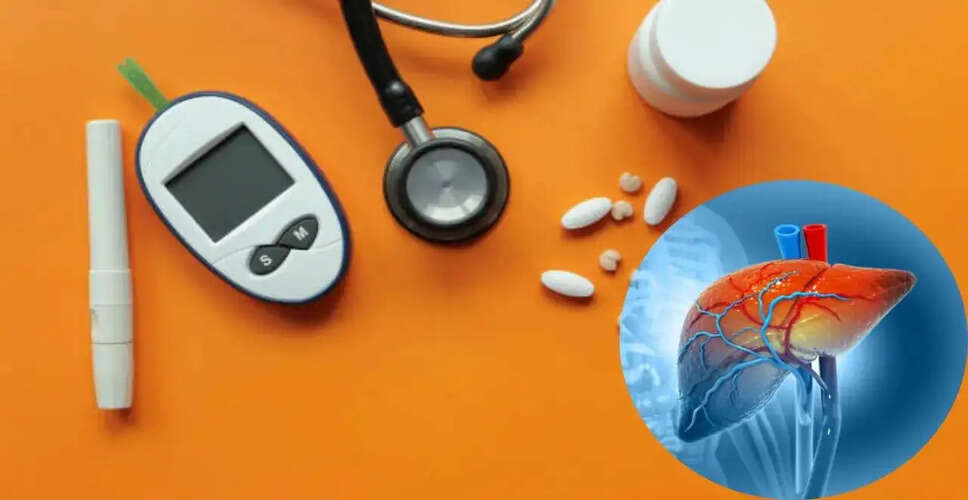
Understanding the Impact of Diabetes on Liver Health
Diabetes is a significant global health issue, progressively affecting various organs. A recent study published in The Lancet Regional Health Southeast Asia has raised concerns for millions diagnosed with this metabolic disorder. Researchers now propose that liver disease should be recognized as the fourth major complication of diabetes, alongside damage to the eyes, kidneys, and nerves, which could change the current understanding and management of the disease.
Diabetes leads to elevated blood sugar levels, resulting in hyperglycemia. Persistent high blood sugar can ultimately result in diabetes.
Findings from the Study
The DiaFib-Liver Study, a comprehensive investigation conducted at 27 centers across India, including Sir Ganga Ram Hospital and Madras Diabetes Research Foundation, evaluated over 9,000 type 2 diabetes patients using FibroScan, a non-invasive method for assessing liver stiffness. Key findings revealed:
- 26% of participants exhibited significant liver fibrosis.
- 5% showed indications of cirrhosis, a severe and irreversible condition.
- 14% had advanced fibrosis without any symptoms.
Alarmingly, around 13% of patients without fatty liver still presented with fibrosis, suggesting that conventional screening techniques may overlook individuals at risk.
Importance of the Findings
If diabetes is not managed effectively, it can lead to damage in multiple organs, including the liver. Elevated blood sugar levels contribute to insulin resistance, resulting in fat accumulation in the liver, which can cause inflammation, fibrosis, cirrhosis, and potentially liver cancer. Parag Rana, a study contributor, stated, “Liver disease is becoming a parallel and often unnoticed threat, with many patients suffering from advanced damage without awareness.”
Identifying Key Risk Factors
Medical professionals indicate that up to two-thirds of individuals with diabetes may have fatty liver, frequently without clear symptoms. Risk factors include:
- Obesity and excess weight
- High cholesterol levels
- Long-term diabetes
- Poor kidney function
Challenges in Detection
Liver disease is often asymptomatic in its early stages, and standard blood tests may fail to identify fibrosis. This is where FibroScan proves beneficial—a painless, ultrasound-based tool that assesses liver stiffness and aids in early damage detection. The study advocates for routine liver screenings as part of diabetes management.
Preventing Liver Complications
Taking proactive measures can significantly lower the risk of liver issues. Here are some recommendations:
Eat Wisely
Increase your consumption of fiber, vegetables, and lean proteins.
Stay Physically Active
Regular exercise enhances insulin sensitivity.
Maintain a Healthy Weight
Keeping your weight in check, even a 5-10% reduction, can help prevent liver complications.
Avoid Alcohol
Alcohol consumption can exacerbate liver damage.
Manage Diabetes Effectively
Adhere to prescribed medications and consult your healthcare provider regularly.
Regular Screening
Discuss FibroScan with your doctor.
With over 100 million individuals living with diabetes in India, this study highlights a pressing public health issue. Experts are calling on policymakers to incorporate liver screenings into national diabetes programs, similar to eye and kidney examinations.