
New Insights on Type 1 Diabetes: Metformin's Potential Benefits

Introduction to Type 1 Diabetes
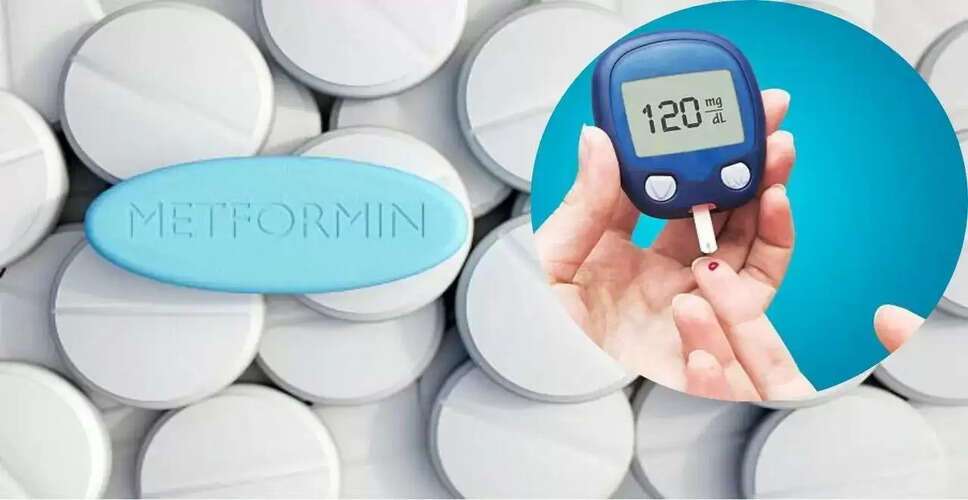
Type 1 diabetes is a chronic autoimmune disorder impacting millions globally. In this condition, the immune system erroneously attacks the insulin-producing cells in the pancreas, resulting in the body's inability to manage blood sugar levels effectively. Consequently, individuals with type 1 diabetes rely on daily insulin injections for survival. Recent studies indicate that Metformin, a commonly prescribed medication, may help decrease the insulin dosage required by these patients.
The Challenge of Insulin Dependence
Understanding Type 1 Diabetes and Insulin Dependence
In type 1 diabetes, the body fails to produce insulin, a crucial hormone for converting glucose into energy. Insufficient insulin leads to dangerously high blood sugar levels, heightening the risk of severe complications such as heart disease and nerve damage. Dr. Jennifer Snaith, an endocrinologist and co-leader of the study, noted, “Insulin resistance is increasingly problematic in type 1 diabetes. It complicates blood sugar regulation and is an often-overlooked risk factor for heart disease, a leading cause of health issues and fatalities among those with type 1 diabetes.”
Insulin resistance is becoming a significant concern for type 1 diabetes patients, complicating blood sugar management and increasing cardiovascular disease risk.
The INTIMET Study: A New Hope?
The INTIMET Study: A New Hope?
A pioneering clinical trial by the Garvan Institute of Medical Research investigated the potential benefits of metformin for individuals with type 1 diabetes. The study, known as the Insulin Resistance in Type 1 Diabetes Managed with Metformin (INTIMET) trial, involved 40 adults with long-term type 1 diabetes. Participants were divided into two groups: one received metformin (1,500–2,000 mg daily), while the other was given a placebo. Over a period of 26 weeks, researchers employed advanced testing techniques to assess insulin resistance across various tissues.
Key Findings: Insulin Reduction and Better Control
Key Findings: Insulin Reduction and Better Control
The results, published in Nature Communications, revealed unexpected outcomes. While metformin did not significantly lower insulin resistance, participants taking the medication used approximately 12% less insulin daily. Blood sugar control, including HbA1c levels, remained stable, suggesting that patients could achieve effective glucose management while reducing their insulin intake—a significant advantage for daily diabetes care.
Dr. Snaith emphasized that minimizing insulin requirements is crucial, as insulin therapy, although life-saving, can be both physically and mentally taxing.
Understanding Metformin's Unique Mechanism
Understanding Metformin's Unique Mechanism
Traditionally, metformin is utilized for type 2 diabetes, where it decreases glucose production in the liver and enhances insulin sensitivity. However, in this study, it appeared to function through a different mechanism. Researchers, including Jerry Greenfield, suggest that the gut microbiome—the collection of bacteria in our digestive system—may play a role. Emerging research indicates that metformin might modify gut bacteria in ways that enhance glucose metabolism, even without directly affecting insulin resistance.
Implications for Future Type 1 Diabetes Treatment
Implications for Future Type 1 Diabetes Treatment
These findings pave the way for innovative treatment approaches. A safe, cost-effective, and widely accessible drug like metformin could:
- Lower daily insulin needs
- Simplify diabetes management
- Potentially reduce long-term health risks
Nevertheless, experts warn that further research is essential before metformin can be routinely recommended as an additional therapy for type 1 diabetes.