
New Drug Aims to Preserve Muscle Mass During Weight Loss

Innovative Drug Could Enhance Weight Loss Treatments
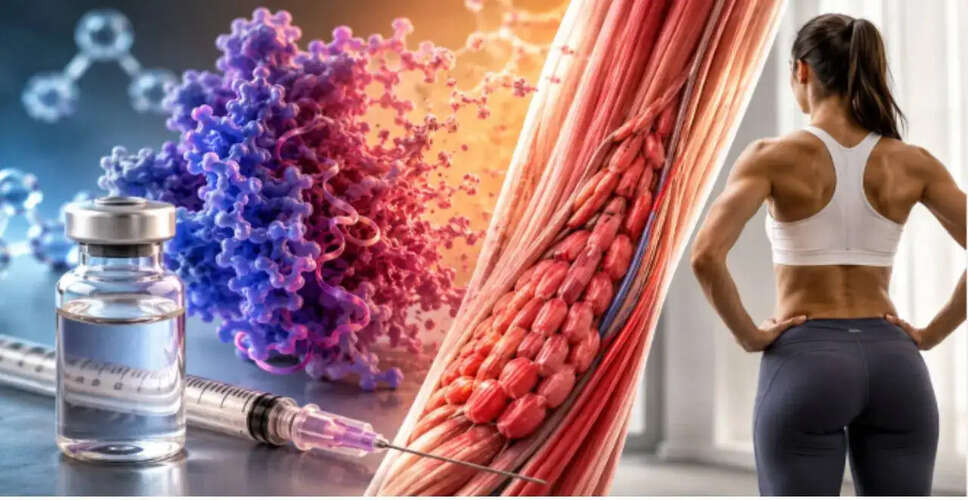
A groundbreaking new medication may assist individuals using popular weight-loss drugs like Mounjaro in maintaining muscle while losing fat, potentially alleviating a significant concern associated with rapid weight reduction. Researchers have identified that the experimental drug, apitegromab, could mitigate the muscle loss frequently observed with GLP-1 weight-loss medications, including Mounjaro and Wegovy. Findings published in the esteemed journal Nature Medicine indicate that pairing apitegromab with Mounjaro might enable patients to achieve healthier weight loss by safeguarding lean muscle mass without hindering overall fat loss.
Importance of Muscle Preservation During Weight Loss
Why is Muscle Loss a Concern?
GLP-1 receptor agonists, such as Mounjaro (tirzepatide), Wegovy, and Ozempic, have transformed obesity treatment by facilitating significant weight loss. These medications function by curbing appetite and prolonging feelings of fullness. However, experts express concerns that nearly one-third of the weight lost while on these medications may originate from muscle rather than fat. Unlike fat, muscle tissue is more challenging to rebuild once lost. Diminished muscle mass can impact strength, mobility, metabolism, and overall health, and has been associated with changes in body shape, including the phenomenon known as 'Ozempic butt,' where rapid weight loss results in sagging or flattened areas due to decreased fat and muscle volume.
Understanding Apitegromab
What is Apitegromab?
Apitegromab is an experimental treatment currently undergoing clinical trials. It functions by inhibiting a protein that contributes to muscle breakdown, aiding the body in preserving lean muscle during rapid weight loss. Presently, the drug is administered via intravenous infusion, although researchers are investigating the potential for a self-injectable version akin to existing obesity treatments. In addition to weight management, apitegromab is being explored as a potential therapy for muscle-related conditions such as spinal muscular atrophy.
Study Findings on Muscle Preservation
What Did the Research Reveal?
The six-month clinical trial involved 102 adults, predominantly women, who were undergoing treatment with Mounjaro for obesity. The results indicated that participants receiving apitegromab alongside Mounjaro retained about 1.9 kilograms more muscle mass compared to those who received a placebo. The study revealed that lean mass constituted only 14.6% of total weight loss in the apitegromab group, in contrast to 30.2% in the placebo group. Notably, both groups experienced similar overall weight loss, suggesting that the drug effectively preserved muscle without compromising fat loss.
Caution Advised by Experts
Experts Recommend Caution
While the results are promising, researchers emphasize the need for further studies before apitegromab can be routinely prescribed for individuals using GLP-1 weight-loss medications. Experts advocate for larger and longer-term trials to ascertain whether muscle mass preservation translates into tangible improvements in strength, physical function, quality of life, and long-term health outcomes. This treatment may particularly benefit those experiencing rapid muscle loss while on obesity medications, although it may not be essential for every patient.
Strategies for Muscle Protection During Weight Loss
How to Safeguard Muscle While Losing Weight?
Until new treatments become widely accessible, experts suggest integrating GLP-1 medications with lifestyle approaches that promote muscle health. Engaging in strength training at least twice weekly can aid in maintaining muscle mass. Activities such as weight lifting, resistance band workouts, cycling, stair climbing, yoga, squats, and even intensive gardening can contribute to muscle preservation. Nutrition also plays a vital role; consuming sufficient protein, typically 20 to 40 grams per meal, can help sustain or build muscle. Excellent protein sources include lean meats, fish, eggs, dairy products, beans, lentils, chickpeas, nuts, and high-protein yogurts. As obesity treatments evolve, apitegromab may signify a crucial advancement in assisting patients in losing fat while preserving the muscle essential for long-term health and mobility.