
Navigating Health Challenges After Rainfall in North India
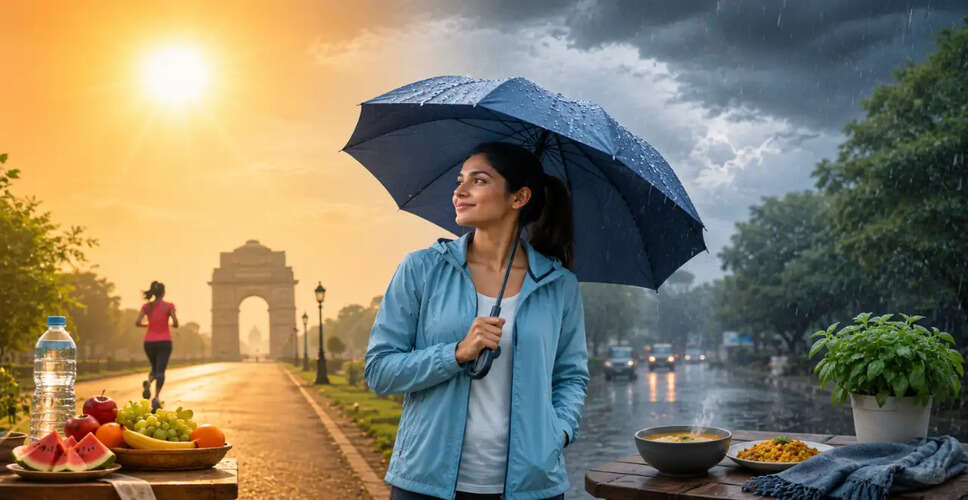

Relief from Heatwave Brings New Health Concerns
Following weeks of extreme heat, many regions in North India have finally experienced rainfall, providing much-needed respite from the oppressive temperatures. The arrival of cooler breezes, overcast skies, and the refreshing scent of rain has been a relief for countless individuals enduring a severe heatwave. However, health professionals caution that this abrupt change in weather can impose additional stress on the body. The combination of intense heat followed by rain creates ideal conditions for seasonal illnesses. Contrary to popular belief, the risk of health issues does not vanish with the drop in temperature; the transitional phase can be unexpectedly tough. Variations in temperature, heightened humidity, and exposure to rainwater can influence hydration and immune responses.
Common Mistakes to Avoid
Mistakes People Make
One prevalent error individuals make after a heatwave is abruptly decreasing their water intake. Even when the weather feels cooler, the body still requires sufficient hydration. Post-rain, humidity levels often rise, leading to unnoticed sweating. This can result in dehydration, causing symptoms like fatigue, headaches, dizziness, and trouble focusing. It remains crucial to consume adequate amounts of water, coconut water, or drinks rich in electrolytes even after the heat diminishes.
The sudden change in weather can also heighten the risk of viral infections. Fluctuations in temperature may hinder the body’s ability to adapt swiftly, rendering some individuals more susceptible to common colds, coughs, and throat infections. This is particularly true for children, the elderly, and those with compromised immune systems. Experts advise against drastic temperature changes, such as moving directly from humid outdoor air into heavily air-conditioned environments.
Health Risks from Rainfall
Rainfall creates conditions conducive to the proliferation of bacteria and mosquitoes. Stagnant water in pots, coolers, buckets, and outdoor containers can quickly become breeding sites for mosquitoes. This period raises concerns about diseases like dengue and malaria, making it essential to maintain cleanliness and eliminate standing water whenever possible.
Food safety is another critical aspect that requires attention. Humid conditions can accelerate food spoilage. Street food, uncovered snacks, and improperly stored leftovers may pose a higher risk of contamination. Consuming freshly prepared meals, ensuring access to clean drinking water, and practicing proper food storage can significantly reduce the likelihood of stomach infections and digestive problems.
Expert Recommendations for Health
What Do Health Experts Say?
Health professionals suggest adopting a few simple habits to help the body acclimate to the changing weather. It’s important to continue drinking plenty of water, even if thirst levels seem reduced. If caught in the rain, changing out of wet clothes promptly can help prevent skin infections and respiratory issues. Wearing light, breathable fabrics can mitigate rashes caused by increased humidity, while keeping a light jacket handy can shield against sudden temperature drops in the evenings.
Nutrition plays a vital role during these seasonal transitions. Incorporating vitamin C-rich foods like oranges, amla, lemons, and guavas can bolster the immune system. Opting for fresh fruits, vegetables, and home-cooked meals is generally safer than consuming food that has been exposed to humid conditions for extended periods.
The changing weather can also affect respiratory health. Dust particles stirred up by strong winds, combined with increased moisture in the air, may trigger allergies in some individuals. Those with asthma or other respiratory conditions should keep their prescribed medications readily available and avoid prolonged exposure to damp environments.
Embracing Outdoor Activities
On the positive side, the cooler weather presents an excellent opportunity to engage in outdoor activities that may have felt impossible during the peak heatwave. Morning walks, light exercises, and spending time outdoors can enhance both physical and mental well-being. The key is to avoid overexertion, stay hydrated, and refrain from remaining in wet clothing for prolonged periods.
While the arrival of rain after a harsh heatwave is undoubtedly a welcome change, seasonal transitions often introduce their own health challenges. By staying hydrated, maintaining hygiene, ensuring food safety, preventing mosquito breeding, and being mindful of changing environmental conditions, individuals can enjoy the refreshing rain while safeguarding their health in the weeks to come.