
Navigating Fertility After Cancer: Hope for Young Women
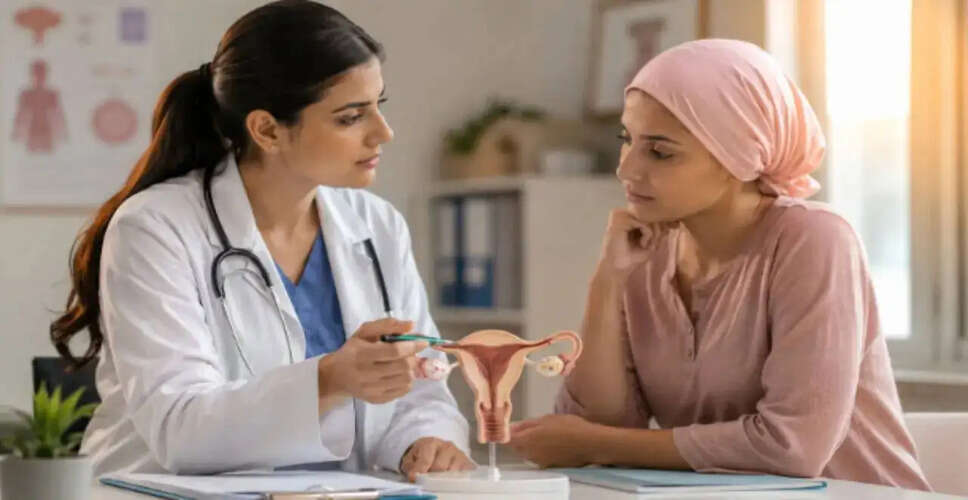

Understanding the Impact of Cancer on Fertility
Receiving a cancer diagnosis can significantly alter life plans, particularly for younger women who aspire to have children. A common concern among these patients is whether they will still be able to conceive post-treatment. Fortunately, experts indicate that the outlook is becoming increasingly positive. While certain cancer therapies may impact fertility, advancements in oncofertility and fertility preservation techniques are enabling many women to achieve motherhood after their cancer journey.
Does Cancer Treatment Influence Fertility?
Dr. Prof. Jyoti Wadhwa, a leading figure in Medical & Precision Oncology at Apollo Athenaa Women's Cancer Centres, reassures that a cancer diagnosis does not automatically signify the end of family aspirations. She states, “For many young women, the immediate concern is whether they can still have children. Although some treatments may affect fertility, it’s crucial to recognize that a diagnosis doesn’t mean giving up on future family plans. With timely interventions and advancements in oncology, many women can maintain their fertility and have healthy pregnancies after treatment.”
However, treatments like chemotherapy, radiation, and specific surgeries can potentially harm the ovaries, diminish egg reserves, disrupt menstrual cycles, or induce early menopause, depending on various factors such as age, cancer type, and treatment strategy. Therefore, discussing fertility options prior to commencing treatment is vital. Dr. Wadhwa emphasizes the importance of initiating these conversations early, as options like egg freezing, embryo freezing, or ovarian tissue preservation may be viable depending on individual circumstances.
Options for Preserving Fertility
Experts advocate that young women considering future pregnancies should consult both their oncologist and a fertility specialist as soon as possible. Available fertility preservation methods include:
- Egg freezing (oocyte cryopreservation)
- Embryo freezing
- Ovarian tissue preservation
- Fertility-sparing surgery, when applicable
These techniques empower many women to safeguard their reproductive potential before undergoing cancer treatment. Dr. Wadhwa highlights that collaboration between oncologists and fertility specialists is essential to align effective cancer treatment with reproductive goals.
Cancers That May Impact Fertility
Dr. Munisha Sharma, a Consultant in Gynec Oncology at Manipal Hospital, notes that cancers affecting reproductive organs, such as breast, ovarian, cervical, and uterine cancers, can have a more pronounced effect on fertility. Beyond the physical ramifications of treatment, many young women grapple with emotional distress regarding their future motherhood prospects. Dr. Sharma explains, “The emotional burden of facing a serious illness like cancer at a young age intertwines with their dreams of motherhood, leaving many women uncertain about their futures.”
Preventing Cancer: Lifestyle Choices Matter
While not all cancers can be prevented, healthcare professionals suggest that certain lifestyle modifications can lower the risk of specific cancers and enhance long-term reproductive health. Recommended measures include:
- Receiving the HPV vaccine
- Regular Pap smear screenings
- Conducting breast self-examinations
- Maintaining physical activity
- Avoiding tobacco use
- Keeping a healthy weight
- Seeking genetic counseling if there’s a significant family history of cancer
- Early detection often leads to less aggressive treatment and better fertility preservation opportunities.
Advancements in cancer care provide new hope for patients.
The Evolution of Cancer Treatment
Modern oncology has revolutionized cancer treatment, with precision medicine allowing for more tailored treatment plans that not only aim to enhance survival rates but also prioritize quality of life. Many women diagnosed with cancer today successfully complete their treatment, recover, and later conceive, either naturally or through fertility preservation methods. Doctors emphasize that cancer care now extends beyond mere survival; it encompasses empowering patients to achieve significant life milestones, including parenthood. Dr. Wadhwa states, “Today’s cancer care is about enabling patients to thrive beyond treatment. If you’re considering starting a family, it’s crucial to have an open dialogue with your oncologist.”
The Importance of Early Discussions
Timing is crucial when it comes to fertility preservation. Since these procedures are typically performed before chemotherapy or radiation begins, postponing discussions may limit available options. Experts urge every young woman diagnosed with cancer to inquire about fertility preservation as part of her treatment planning. Dr. Sharma adds, “Advancements in onco-fertility have made it feasible for women to freeze their eggs or embryos prior to treatment. Other options like ovarian tissue preservation and fertility-sparing surgeries are becoming more accessible. These decisions are deeply personal, but early discussions can significantly impact outcomes. With timely diagnosis, personalized treatment plans, and collaboration between cancer and fertility specialists, many women can recover and lead fulfilling lives.”
Early diagnosis, cancer prevention, timely fertility counseling, and coordinated care between oncologists and fertility specialists can help safeguard both survival and future family aspirations.