
Nationwide Recall of Infant Formula Due to Botulism Cases Raises Alarm
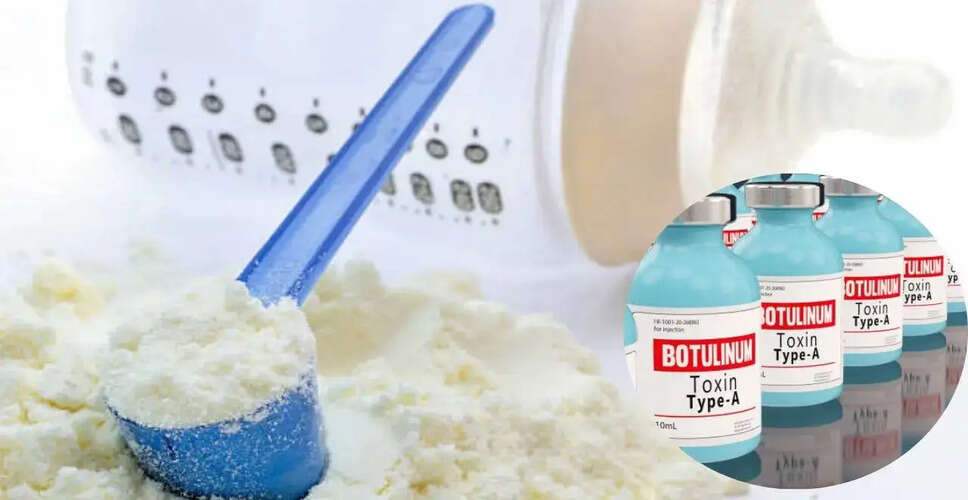

Concerns Arise Over Infant Formula Recall
A recent recall of infant formula across the nation has sparked significant worry among parents and healthcare professionals after three infants were diagnosed with infant botulism, a rare but serious condition in the U.S. Nara Organics, a manufacturer based in Europe, has voluntarily pulled its Whole Milk Organic Infant Formula from the market following federal health officials' connection of the product to reported illnesses in three states. The Centers for Disease Control and Prevention (CDC) noted that the affected infants, aged between 2 and 5 months, resided in California, Pennsylvania, and Washington. These babies consumed the recalled formula during April and May 2026, necessitating hospitalization and treatment with BabyBIG, a specialized antitoxin for infant botulism. Thankfully, there have been no fatalities reported.
Understanding Infant Botulism
What is Infant Botulism?
Infant botulism is a rare yet severe illness that occurs when Clostridium botulinum spores proliferate in an infant's intestines, releasing toxins that affect the nervous system. Infants under one year old are particularly susceptible due to their underdeveloped digestive systems. Initial symptoms may include constipation, followed by feeding difficulties, weak sucking, altered crying, and reduced head control. As the illness advances, infants might exhibit drooping eyelids, facial weakness, sluggish pupils, and muscle paralysis. Without timely medical intervention, this condition can lead to serious respiratory issues and extended hospital stays.
Details of the Recall
Products Affected by the Recall
The recall encompasses all Nara Organics Whole Milk Organic Infant Formula products sold in the U.S. from July 2025 to June 2026. This formula was available at various retailers, including Target stores and online platforms. Parents and caregivers are strongly advised to cease using the recalled formula immediately. The U.S. Food and Drug Administration (FDA) recommends that any remaining product be stored safely, labeled as "Do Not Use," and kept accessible for potential testing by state health officials. If the product is no longer needed for investigation and the infant shows no symptoms, it should be discarded or returned as per the manufacturer's guidelines.
Monitoring for Symptoms
What to Watch For
If your infant has consumed the recalled formula, it is crucial to monitor them for signs of infant botulism, which may include:
- Constipation lasting several days
- Weak sucking or feeding challenges
- Unusual or weak crying
- Poor muscle tone or floppy movements
- Drooping eyelids
- Breathing difficulties
Should any of these symptoms arise, seek immediate medical assistance. Early detection and treatment can greatly enhance recovery chances.
Impact on Infant Formula Supply
Effect on the U.S. Formula Market
The FDA has indicated that Nara Organics accounts for less than 1% of the U.S. infant formula market, suggesting that this recall is unlikely to lead to widespread formula shortages. However, parents are encouraged to consult their pediatricians before transitioning to a different formula to ensure their baby's nutritional requirements are met. This incident follows another significant recall involving ByHeart formula, which was associated with around 48 illnesses, including 28 confirmed cases of infant botulism, as reported by the FDA earlier this year. The recent recall of Nara Organics highlights the critical nature of food safety and the need for swift public health responses. While infant botulism is rare, it is essential for parents to stay updated on product recalls, watch for warning signs in their infants, and seek prompt medical care if symptoms develop. Quick action can be vital in safeguarding infants from severe complications and ensuring their recovery.