
Mustafa Ahmed's Journey: Overcoming Dyslexia and Inspiring Change
Mustafa Ahmed's Inspiring Story
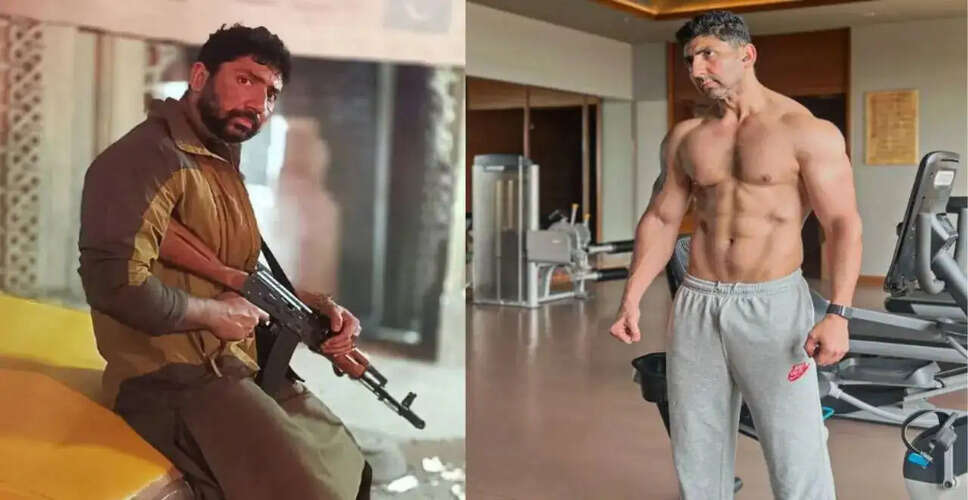
Mustafa Ahmed, known for his role as Rizwan in the film Dhurandhar 2, has shared his personal experience with dyslexia, a learning disorder that affects countless children globally. As a fitness trainer, he has transitioned from struggling with literacy to achieving success in the entertainment sector, igniting crucial discussions about learning disabilities, the importance of early diagnosis, and mental resilience. Mustafa reflected, "I wasn't academically inclined. Coming from an Afghan background and dealing with dyslexia, I found my strengths in physical activities like sports and dance, which I excelled at naturally," during his appearance on the Alpha Coach podcast.
Understanding Dyslexia
What is Dyslexia?
Dyslexia is a neurological condition that primarily hinders an individual's ability to read, spell, and comprehend written language. It is important to note that dyslexia is not indicative of a person's intelligence; many children with this condition are just as capable as their peers, but their brains process language differently. Common indicators of dyslexia include:
- Difficulty in reading or recognizing words
- Challenges with spelling and writing
- Confusion with similar-looking letters (e.g., b/d or p/q)
- Slow reading speed and poor comprehension
- Struggles with following written instructions
If not identified early, these challenges can adversely affect academic performance and self-esteem.
The Importance of Early Diagnosis
Why Early Diagnosis Matters
Experts emphasize that recognizing dyslexia early can significantly impact a child's development. With appropriate support, including specialized teaching techniques and therapy, children with dyslexia can flourish both academically and personally. Unfortunately, many children are mischaracterized as 'lazy' or 'slow,' leading to anxiety and diminished self-worth. Mustafa's narrative underscores the necessity of early recognition and the establishment of a supportive environment.
Mustafa's Personal Struggles
Mustafa's Challenges with Dyslexia
Mustafa disclosed that he faced numerous hurdles in school due to his learning difficulties. Tasks such as reading scripts or memorizing lines were initially daunting. However, through perseverance, encouragement, and self-confidence, he managed to conquer these obstacles. Now, as a prominent actor in Dhurandhar 2, he exemplifies that dyslexia should not be seen as a limitation but rather as a unique learning approach. Numerous successful figures, including actors and entrepreneurs, have thrived despite facing similar challenges.
Recognizing Dyslexia Symptoms
Signs and Symptoms of Dyslexia
Medical professionals note that dyslexia symptoms can vary with age, as brain development influences learning. Signs to watch for in children include:
- Difficulty learning or recognizing letters
- Challenges with rhyming words
- Mixing up phonetically similar words
- Struggling to read simple words after learning letter sounds
- Difficulty remembering letters despite practice
- Avoidance of reading-related tasks
- Experiencing anxiety or illness before school or homework
- Struggling academically
Managing Dyslexia
Can Dyslexia Be Treated?
While dyslexia is a lifelong condition, it can be effectively managed through various interventions, including:
- Phonics-based reading programs
- Individual tutoring
- Speech and language therapy
- Utilizing assistive technologies like audiobooks and text-to-speech software
With these strategies, individuals with dyslexia can enhance their reading abilities and succeed in their chosen careers.