
Mounjaro Surpasses Keytruda as Top-Selling Medicine: A Shift in Pharmaceutical Trends
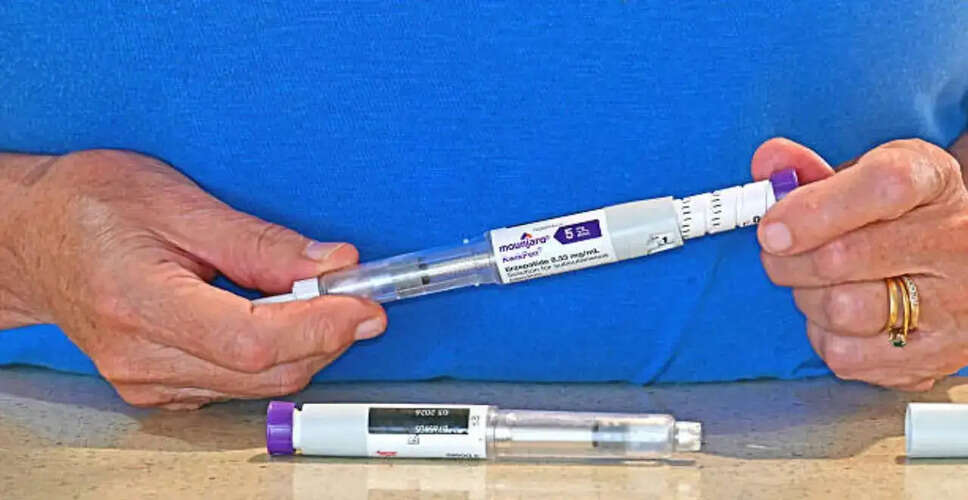

Mounjaro Takes the Lead in Global Pharmaceutical Sales
In a significant development for the global pharmaceutical sector, Mounjaro, a treatment for diabetes and obesity created by Eli Lilly, has officially surpassed Keytruda to become the highest-selling medication worldwide. This shift underscores the surging global demand for therapies targeting obesity and diabetes, particularly the innovative GLP-1 and dual-action metabolic drugs that are rapidly changing healthcare landscapes globally. Recent quarterly sales data indicates that Mounjaro generated around $8.7 billion in revenue in the first quarter of 2026, outpacing Keytruda's $7.9 billion during the same timeframe. Keytruda, produced by Merck & Co., has been a dominant force in the pharmaceutical market since 2023, being an immunotherapy drug effective against nearly 22 cancer types and remaining a cornerstone in cancer treatment. However, the swift ascent of anti-obesity and diabetes medications is now altering the pharmaceutical environment.
Factors Behind Mounjaro's Rising Popularity
Why is Mounjaro seeing a massive demand?
Mounjaro features tirzepatide, a cutting-edge molecule that targets both GLP-1 and GIP receptors. It is prescribed for managing type 2 diabetes and aiding weight loss, as it helps control blood sugar levels, appetite, and metabolism. Health professionals attribute the drug's increasing popularity to the escalating global challenges posed by obesity and diabetes. The World Health Organization reported that approximately 890 million adults were living with obesity in 2022, while nearly 590 million adults had diabetes. The heightened emphasis on metabolic health, weight management, and preventive care has propelled the demand for GLP-1 therapies to unprecedented levels worldwide.
India's Role in Mounjaro's Growth
India emerges as a major growth market
India has rapidly become a key market for Mounjaro. Data from Pharmarack indicates that the drug became the highest-selling medication by value in India as of April 2026 and has consistently ranked among the top therapies since its introduction in March 2025. In the past year, Mounjaro reportedly achieved nearly Rs 1,009 crore in domestic sales, reflecting robust demand from Indian patients seeking advanced treatments for diabetes and obesity. Medical professionals note that Indian consumers are increasingly willing to invest in high-quality chronic therapies that promise substantial lifestyle and long-term health benefits.
Intensifying Competition in Weight-Loss Medications
Competition in the weight-loss drug market
The global race for obesity medications has intensified with the emergence of semaglutide-based products like Wegovy and Ozempic from Novo Nordisk. India has also seen an influx of more affordable semaglutide alternatives following recent patent expirations. Despite the growing competition, Mounjaro continues to lead in sales value, indicating a strong preference among healthcare providers and patients for these next-generation metabolic therapies.
The Impact of Obesity Drugs on Global Healthcare
Obesity drugs are reshaping global healthcare
Analysts in the healthcare sector now regard GLP-1 and dual-action metabolic therapies as some of the most significant pharmaceutical advancements of the decade. Medications like Mounjaro and Zepbound have swiftly transformed the landscape of obesity and diabetes treatment, generating extraordinary demand globally. Industry estimates suggest that the combined global sales of these two drugs exceeded $36 billion in 2025, surpassing the annual revenue of Keytruda, which has long been viewed as one of the top-selling medications worldwide. The rapid expansion of these therapies indicates a broader transformation in modern healthcare. Historically, obesity was often perceived merely as a lifestyle concern. However, medical experts increasingly recognize it as a chronic metabolic disease associated with severe complications, including type 2 diabetes, heart disease, fatty liver disease, sleep apnea, and certain cancers. GLP-1 and dual-action medications function by regulating appetite, enhancing insulin response, slowing gastric emptying, and facilitating significant long-term weight loss. Their effectiveness has prompted healthcare professionals and policymakers to reconsider obesity management beyond traditional diet and exercise approaches. Experts believe these treatments could fundamentally alter preventive healthcare by reducing obesity-related health issues, lowering long-term healthcare expenses, and enhancing the quality of life for millions worldwide.