
Monsoon Safety: Preventing Electrocution Risks During Heavy Rains
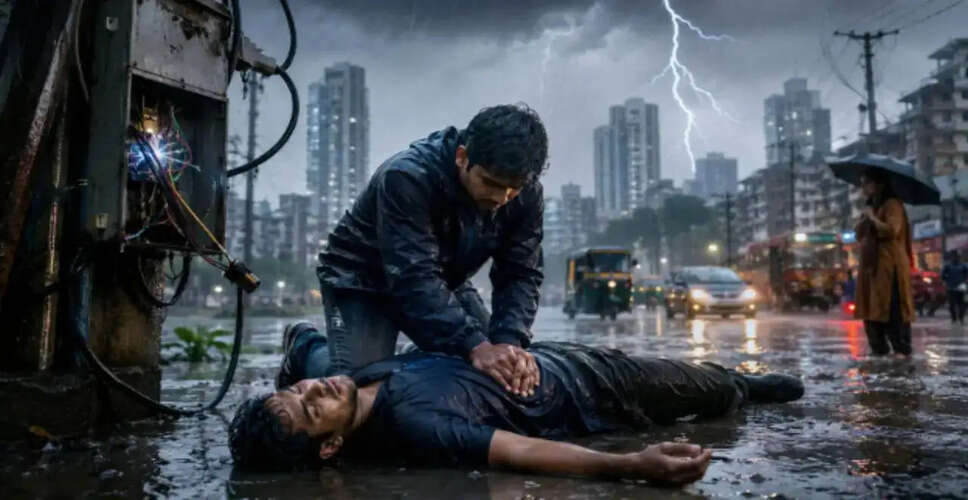

Tragic Incident Highlights Monsoon Electrocution Dangers
The recent heavy rains in Mumbai have once again brought to light the severe risks associated with electrocution during the monsoon season. A heartbreaking incident occurred when 20-year-old college student Vedant Sawant tragically lost his life after being electrocuted by a metal ladder in his home in Nalasopara. Reports indicate that the ladder became electrified due to a fault in the inverter, compounded by rainwater, creating a perilous situation. This incident marks the sixth electrocution fatality in the Mumbai Metropolitan Region (MMR) within just a week, highlighting the critical need for increased awareness regarding electrical safety.
Health professionals emphasize that while many people think of electric shocks as causing burns, the reality is that the damage can be much more severe, impacting vital organs such as the heart, brain, and nerves. The rainy season significantly heightens the risk of fatal accidents due to flooded streets, exposed wires, leaking appliances, and damp electrical systems.
Understanding the Risks of Electrocution in Monsoon
Why is electrocution more dangerous during monsoon?
Dr. Ravindra Zore, an expert in critical care at Zynova Shalby Hospital, explains that rainwater is an excellent conductor of electricity. Even a small electrical leak can become life-threatening when combined with water. He states, "Electric shocks are medical emergencies. While some injuries may seem minor on the surface, the electric current can lead to internal burns, irregular heart rhythms, muscle damage, and neurological injuries that may not be immediately apparent." Recent cases have been reported both indoors due to faulty wiring and outdoors where individuals encountered live wires while navigating through flooded streets.
Steps to Take in Case of Electric Shock
What to do if someone suffers an electric shock
Dr. Zore emphasizes that the initial moments following an electric shock are critical. He advises against touching the victim directly if they are still in contact with the electrical source, as this could endanger your own life. Instead, he recommends the following life-saving measures:
- Turn off the main power supply if it is safe to do so.
- If you cannot switch off the power, use a dry wooden stick or another non-conductive object to separate the person from the electrical source.
- Immediately call for emergency medical assistance.
- If the individual is unconscious and not breathing normally, begin CPR only if you are trained to do so.
- Cover any visible burns with a clean, dry cloth until help arrives.
Avoiding Common Mistakes After Electric Burns
Warning signs you should never ignore
Many individuals resort to home remedies for electrical burns, but doctors strongly advise against this. Avoid applying ice, butter, toothpaste, turmeric, or ointments without medical guidance, as these can exacerbate tissue damage, heighten infection risk, and delay necessary treatment. Dr. Zore warns that even if a person seems to recover from an electric shock, internal injuries may manifest later. Seek immediate medical attention if they experience symptoms such as chest pain, difficulty breathing, irregular heartbeat, loss of consciousness, confusion, seizures, severe burns, persistent numbness or weakness, ongoing pain, or injuries from falling after the shock.
Essential Monsoon Electrical Safety Tips
Monsoon electrical safety tips
To minimize the risk of electrocution during heavy rains, experts suggest the following precautions:
- Avoid walking near electric poles, exposed wires, transformers, and construction sites during rainfall.
- Steer clear of waterlogged roads where electrical leakage may occur.
- Never operate electrical appliances with wet hands.
- Report downed power lines immediately and maintain a safe distance.
- Promptly repair damaged wiring, faulty switches, and inverter connections.
- Utilize properly insulated electrical equipment.
- Install protective covers on electrical sockets, especially in homes with children.
- Schedule regular electrical inspections before and during the monsoon season.
The recent surge in electrocution fatalities in Mumbai serves as a stark reminder that the combination of electricity and rain can be deadly. By ensuring proper electrical maintenance, being aware of high-risk situations, and knowing essential first aid, many of these tragedies can be avoided.