
Mastering the Plank: Key Insights for Core Strength
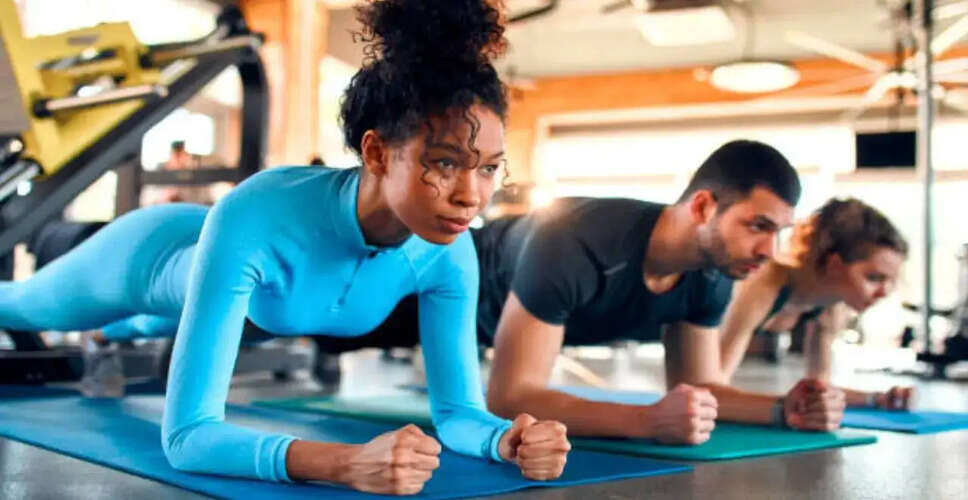

Understanding the Plank Challenge
As you scroll through social media, the plank challenge is ubiquitous, with everyone from novices to fitness enthusiasts attempting to hold this core-strengthening position for as long as possible. However, it's essential to recognize that while duration is often emphasized, proper form and consistency are far more crucial. Many individuals are curious about the ideal plank duration for their age group. Let's delve into expert opinions and age-specific benchmarks.
Why Planks Are Essential for Core Strength
Why Planks Are Essential for Core Strength
Planks are highly regarded as one of the most effective exercises for strengthening the core because they engage multiple muscle groups simultaneously:
- Rectus abdominis (front abs)
- Obliques (side muscles)
- Transverse abdominis (deep core stabilizers)
Unlike crunches, which target a single area, planks enhance overall body stability and strength. They also contribute to better posture, lower back protection, and improved balance and coordination, making them invaluable for fitness, injury prevention, and daily activities.
Plank Duration Recommendations by Age
Plank Duration Recommendations by Age
While there is no universal standard, experts provide general guidelines based on age and fitness levels:
Ages 18 to 39
Beginners: 45 to 90 seconds
Fit individuals: 60 to 120+ seconds
Ages 40 to 59
Beginners: 30 to 75 seconds
Fit individuals: 45 to 90 seconds
Ages 60 and above
Beginners: 20 to 60 seconds
Fit individuals: 30 to 75 seconds
Experts emphasize that these benchmarks are merely suggestions and can vary based on individual factors such as body weight, strength, endurance, and experience.
The Importance of Proper Form
The Importance of Proper Form
Focusing solely on extending plank duration can diminish effectiveness if your form deteriorates. An ideal plank position includes elbows aligned with shoulders, a neutral spine (neither sagging nor arching), engaged core and glutes, and controlled breathing. Common mistakes include:
- Dropping hips, which may strain the lower back
- Raising hips excessively
- Collapsing shoulders
Tips for Safely Increasing Plank Duration
Tips for Safely Increasing Plank Duration
To enhance your plank endurance, it's best to progress gradually:
- Begin with 15 to 20 seconds of holds
- Increase by 5 to 10 seconds weekly
- Aim for 2 to 3 sets during each workout
- Practice 2 to 3 times a week
Incorporating additional exercises like side planks, bird dogs, dead bugs, and shoulder taps can further strengthen your core and help you maintain longer plank holds.
Is Longer Always Better?
Is Longer Always Better?
Experts advise against the necessity of holding planks for extended periods, such as several minutes, as this can lead to poor engagement and passive posture. Instead, focus on shorter, high-quality holds, gradually increasing difficulty by incorporating movement while maintaining full-body tension. Planks remain one of the top exercises for core strength, stability, and overall fitness. While age-based benchmarks can provide guidance, the emphasis should always be on quality over quantity. So, the next time you engage in a plank challenge, strive for improvement in form rather than just duration.