
Malaria: A Year-Round Health Challenge in India
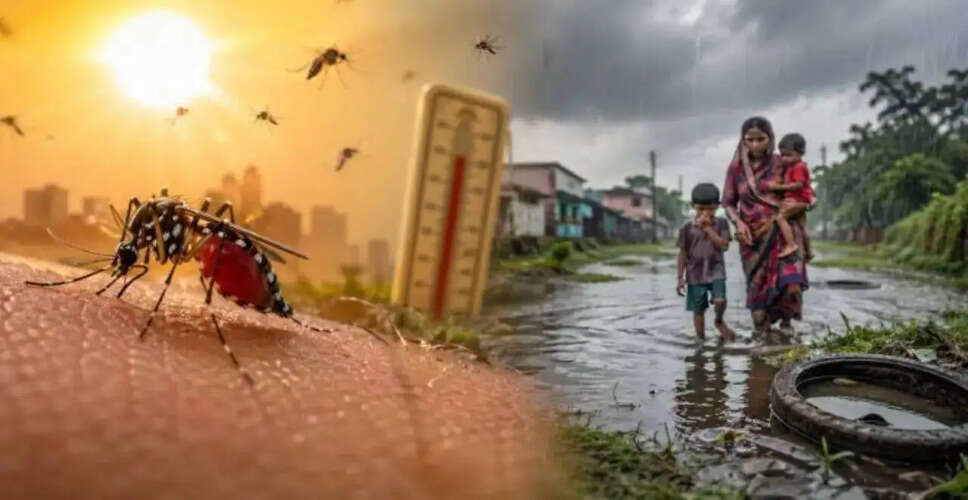

Malaria's Shift from Seasonal to Year-Round Threat
Malaria, once thought to be a seasonal illness associated with the monsoon, is now becoming a persistent health concern throughout the year in India, particularly surging during the peak summer months. Dr. Gaurav Gupta, a Consultant in Internal Medicine at Saifee Hospital, notes that many Indian cities are reporting malaria cases even before the onset of the monsoon, indicating a troubling shift in disease patterns. He stated, “While the figures may not match the peaks seen during the monsoon, they are significant enough to indicate a changing trend.”
Impact of Rising Temperatures on Malaria Spread
Rising temperatures are driving the spread of malaria
Climate change and increasing temperatures are major contributors to this trend. Previously, extreme heat was thought to hinder mosquito survival, but experts now warn that both the Anopheles mosquito and the malaria-causing parasite (Plasmodium) are adapting to warmer conditions. As temperatures exceed 30°C, the parasite develops more rapidly within the mosquito, speeding up transmission cycles. Consequently, summer is no longer a safe period, and the risk of infection begins much earlier than previously assumed. Dr. Gupta remarked, “High temperatures were once believed to limit their spread, but now both the parasite and the vector are thriving in these conditions.”
Urbanization and Heat Islands Contributing to Malaria
Urban heat islands and rapid urbanisation
The urban heat island effect is another significant factor. Cities like Mumbai, characterized by dense concrete structures, trap heat and create localized warm areas that are conducive to mosquito breeding. Furthermore, rapid urbanization has resulted in:
- Poor drainage systems
- Water accumulation due to construction
- Overcrowded living conditions
These elements collectively create ideal breeding environments for mosquitoes, leading to increased malaria transmission even outside the monsoon season.
Water Storage Issues and Mosquito Breeding
Water storage and mosquito breeding
Improper water storage practices are a significant yet often overlooked cause of malaria. Open containers, rooftop tanks, drums, and even small items like discarded shells or construction debris can collect water, becoming breeding grounds for mosquitoes. With rising temperatures, these sites become increasingly active, resulting in a sharp increase in mosquito populations during the summer. Dr. Gupta explained, “As mosquito breeding escalates, the risk of malaria transmission naturally increases.”
The Risks of Delayed Diagnosis
Delayed diagnosis: A silent risk
Dr. Divya Gopal from Sir HN Reliance Foundation Hospital highlights that one of the most significant dangers is the misdiagnosis or delay in diagnosing malaria. Early symptoms such as fever, chills, and fatigue are often confused with heatstroke, viral infections, or seasonal flu. This delay can lead to severe complications, including anemia, organ damage, and cerebral malaria, particularly in cases caused by Plasmodium falciparum, the most dangerous strain. She noted, “At this stage, patients may experience complications like severe anemia and cerebral issues. The risk is heightened among those infected with P. falciparum due to its severity.”
Insecticide Resistance and Migration Challenges
Insecticide resistance and migration
Health experts are increasingly concerned about insecticide resistance, where mosquitoes are becoming less susceptible to commonly used control methods. Additionally, migration from malaria-endemic regions introduces infected individuals into urban areas, perpetuating transmission cycles throughout the year.
Essential Prevention Tips for Malaria
Prevention tips: Stay protected in summer
With malaria now a year-round threat, continuous prevention is essential:
- Eliminate stagnant water around homes
- Securely cover water storage containers
- Regularly use mosquito repellents
- Wear full-sleeved clothing, especially in the evenings
- Install window screens or nets
Most importantly, seek medical testing for any fever lasting more than two days. Early diagnosis is straightforward, affordable, and can prevent life-threatening complications. Malaria is no longer confined to the monsoon; it has become a persistent threat driven by climate change, urbanization, and delayed diagnosis. Experts stress that awareness and proactive prevention are vital. In today’s evolving environment, neglecting early symptoms or seasonal assumptions could have dire consequences.