
Lupita Nyong’o Opens Up About Her Struggles with Fibroids
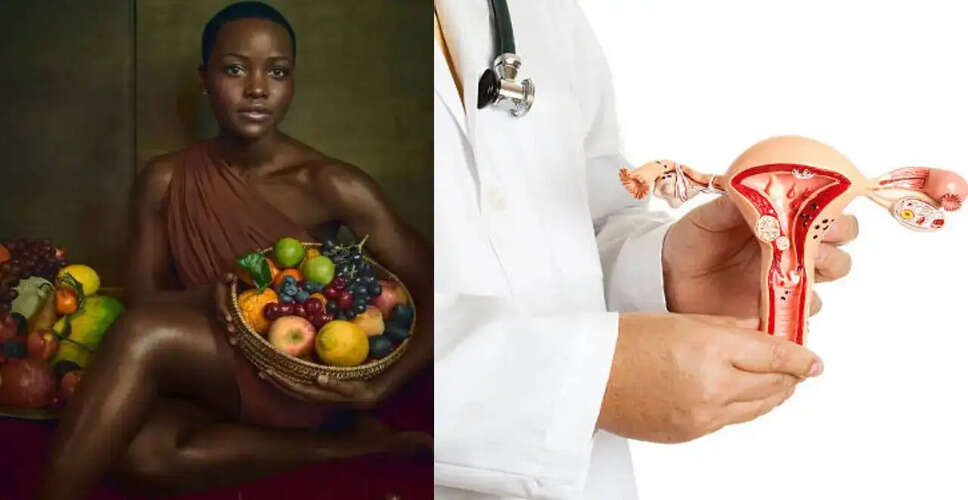
Lupita Nyong’o Discusses Her Health Challenge
Actress Lupita Nyong’o has recently shared her battle with fibroids, which are non-cancerous tumors that can cause significant discomfort. Diagnosed with these growths in 2014, the same year she won an Academy Award for her role in 12 Years a Slave, the 42-year-old revealed that her condition has worsened. In a conversation with Today, she mentioned, “The first time I had fibroids removed, they took out 23. Now, I’ve been told I have over 50.” The largest of these fibroids is reportedly the size of an orange. Lupita is currently weighing her options, which include surgery or enduring the pain. “I’m not ready to make that decision,” she expressed, highlighting her concerns about the potential risks to her reproductive health.
Understanding Uterine Fibroids
What Are Uterine Fibroids?
Uterine fibroids, also known as leiomyomas, are muscular growths that develop in or on the uterus. These tumors are typically benign and are the most prevalent non-cancerous tumors found in women. While some women may experience no symptoms, others can suffer from significant pain and discomfort. Fibroids can appear as solitary growths or in clusters, varying in size from as small as a seed to larger than a watermelon. They can form within the uterine wall, inside the uterine cavity, or on the outer surface.
Symptoms and Causes of Uterine Fibroids
Symptoms of Uterine Fibroids
Most small fibroids do not present any symptoms and typically require only routine monitoring by a healthcare provider. However, larger fibroids can lead to various symptoms, including:
- Heavy or painful menstrual bleeding
- Bleeding between periods
- A sensation of fullness in the lower abdomen
- Frequent urination
- Pain during intercourse
- Constipation or pressure on the rectum
- Long-term vaginal discharge
- Difficulty urinating
- Increased abdominal size, resembling pregnancy
According to medical experts, symptoms often improve or resolve after menopause due to decreased hormone levels.
What Triggers Fibroid Development?
While the precise cause of fibroids remains unclear, it is believed that hormones such as estrogen and progesterone significantly influence their growth. Most women affected by fibroids are of reproductive age. Research indicates that fibroids tend to grow during periods of elevated hormone levels, such as during pregnancy, and shrink when hormone levels drop, like during menopause. Several risk factors associated with fibroid development include:
- Obesity and high body mass index
- Family history of fibroids
- Nulliparity (not having children)
- Early onset of menstruation
- Late onset of menopause