
Life-Saving Impact of Rapid CPR Technology in Dubai Rescue

Emergency Response Highlights Importance of CPR
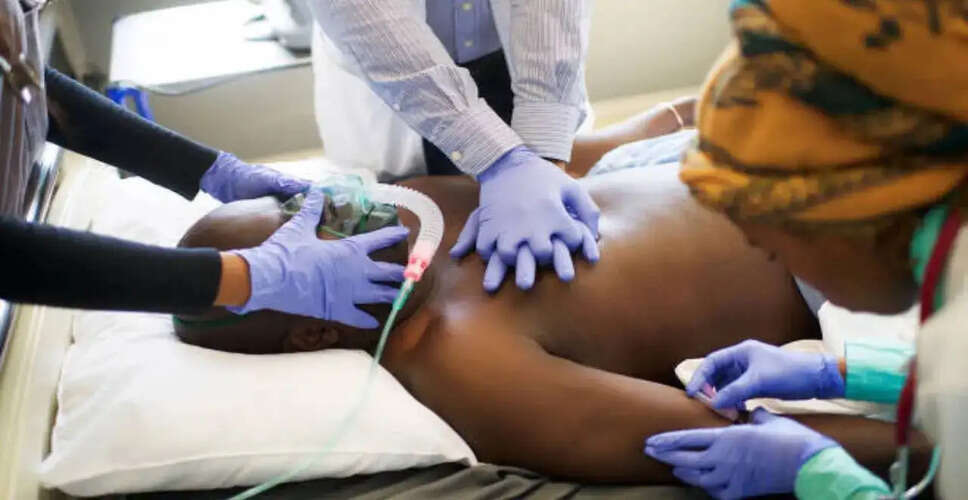
A remarkable medical rescue in Dubai has underscored the critical role of swift emergency response and advanced CPR technology. Emergency personnel successfully revived a man who experienced sudden cardiac arrest. Reports indicate that the response teams arrived within minutes after the individual collapsed due to a heart attack. Paramedics utilized the LUCAS 3 automated CPR device, which is engineered to deliver continuous, high-quality chest compressions during cardiac emergencies. Medical professionals assert that this prompt action was vital in restoring the patient’s pulse and enhancing his survival prospects.
Watch here:
Understanding Cardiac Arrest
What happens during a cardiac arrest?
Cardiac arrest occurs when the heart abruptly stops functioning effectively, leading to a cessation of blood flow to the brain and other essential organs. This condition differs from a heart attack, which is caused by blocked blood flow to the heart muscle. In cardiac arrest, the heart's electrical system fails. Medical experts warn that without immediate CPR and defibrillation, cardiac arrest can be fatal within minutes. Symptoms that may precede a collapse include:
- Chest pain
- Sudden shortness of breath
- Dizziness
- Rapid heartbeat
- Loss of consciousness
Health professionals emphasize that every second counts, as brain damage can begin within four to six minutes after the heart stops.
The LUCAS 3 CPR Device Explained
What is the LUCAS 3 CPR device?
The LUCAS 3 device is an automated chest compression system that is widely utilized in advanced emergency medical services around the globe. Rather than relying solely on manual CPR, this machine provides consistent chest compressions at the appropriate depth and speed, which is crucial for maintaining blood circulation during cardiac arrest. Medical professionals note that this technology is especially beneficial during ambulance transport or extended resuscitation efforts, as manual CPR can become tiring and inconsistent. The device enables paramedics to deliver uninterrupted compressions while also administering oxygen, medications, and defibrillation as necessary.
The Importance of Rapid CPR
Why rapid CPR saves lives?
Cardiologists indicate that the likelihood of survival during a cardiac arrest is heavily influenced by the promptness of CPR initiation. Immediate chest compressions are essential for ensuring that oxygen-rich blood continues to circulate to the brain and vital organs until the heart can be restarted. Experts suggest that bystander CPR can double or even triple the chances of survival in certain cases of cardiac arrest. However, many individuals hesitate to perform CPR due to fear, panic, or lack of training. Health authorities globally are advocating for increased CPR awareness and emergency response training among the public.
Global Heart Disease Threat
Heart disease remains a major global health threat
Heart disease continues to be one of the leading causes of death worldwide. Factors that increase the risk of cardiac arrest and heart attacks include:
- High blood pressure
- Diabetes
- Smoking
- Obesity
- High cholesterol
- Chronic stress
- Sedentary lifestyle
Doctors stress the importance of regular health screenings, maintaining a healthy diet, exercising, and managing cardiovascular risk factors early to prevent these conditions.
Significance of Emergency Medical Systems
Why emergency medical systems matter?
The rescue in Dubai has highlighted how advanced emergency medical systems, quick ambulance responses, and modern CPR technology can significantly enhance survival rates during critical cardiac emergencies. Medical experts emphasize that survival from sudden cardiac arrest relies on what is termed the “chain of survival” - which includes rapid recognition, immediate CPR, swift emergency response, and timely advanced medical care. As the incidence of cardiac emergencies rises globally, doctors advocate for faster response times, public CPR training, and access to advanced resuscitation technology to potentially save thousands of lives each year.