
Legionnaires’ Disease Outbreak in NYC Claims Second Life Amid Ongoing Investigation
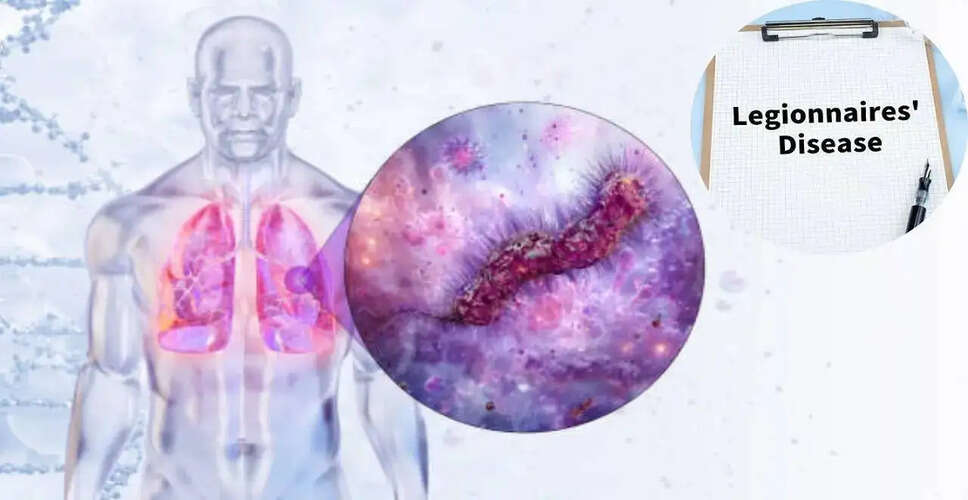

Legionnaires’ Disease Outbreak Overview
A recent outbreak of Legionnaires’ disease in New York City has resulted in a second confirmed death, as reported by health officials. This cluster of infections, primarily located on the Upper East Side of Manhattan, has now affected 72 individuals, raising alarms about the transmission of this waterborne bacterial illness and the critical need for safe water management in buildings. The health department announced the second fatality shortly after the first was reported last week. Although there has been a noticeable decrease in new cases, investigations are ongoing to identify and eliminate the source of the outbreak.
Understanding Legionnaires’ Disease
What is Legionnaires’ Disease?
Legionnaires’ disease is a serious type of pneumonia caused by the Legionella bacteria. These bacteria are typically found in freshwater but can pose health risks when they proliferate in man-made water systems, including cooling towers, hot tubs, decorative fountains, plumbing, and large air-conditioning units. Infection occurs when individuals inhale tiny droplets of water contaminated with Legionella. It is important to note that the disease is not usually transmitted from person to person.
Investigation Focus on Cooling Towers
New York Officials Target Cooling Towers
The investigation by the New York City Health Department is concentrating on cooling towers associated with large building air-conditioning systems, which are recognized as common sources of Legionella outbreaks. Building owners whose cooling towers have tested positive for the bacteria are mandated to:
- Drain any contaminated water
- Thoroughly disinfect the systems
- Conduct follow-up testing to confirm the bacteria's elimination
Recognizing Symptoms of Legionnaires’ Disease
Signs and Symptoms of Legionnaires’ Disease
Symptoms typically manifest between 2 to 10 days after exposure and can mimic severe pneumonia. Common symptoms include:
- High fever and chills
- Persistent cough
- Shortness of breath
- Chest pain
- Muscle aches
- Headaches
- Fatigue
- Nausea, vomiting, or diarrhea
- Confusion, particularly in older adults
Identifying High-Risk Groups
Who is Most at Risk?
While anyone can contract the disease, certain demographics are at a significantly higher risk for severe illness:
- Individuals aged 50 and older
- Current and former smokers
- People with chronic lung conditions
- Those with diabetes or kidney issues
- Cancer patients
- Organ transplant recipients
- Individuals with compromised immune systems
Treatment Options for Legionnaires’ Disease
Can Legionnaires’ Disease be Treated?
Yes, Legionnaires’ disease is treatable with antibiotics, especially when caught early. Most patients will require hospitalization, and severe cases may necessitate oxygen therapy or intensive care. Timely medical intervention is vital, as delays can lead to serious complications such as respiratory failure and sepsis. Public health experts stress that the prevention of Legionnaires’ disease relies heavily on the proper upkeep of building water systems. Preventive strategies include regular inspections and cleaning of cooling towers, maintaining adequate disinfectant levels, preventing stagnant water, monitoring water temperatures conducive to bacterial growth, and adhering to public health maintenance protocols for large buildings.