
Kerala's Wayanad District Faces Shigella Infection Outbreak Among Students

Health Alert in Wayanad
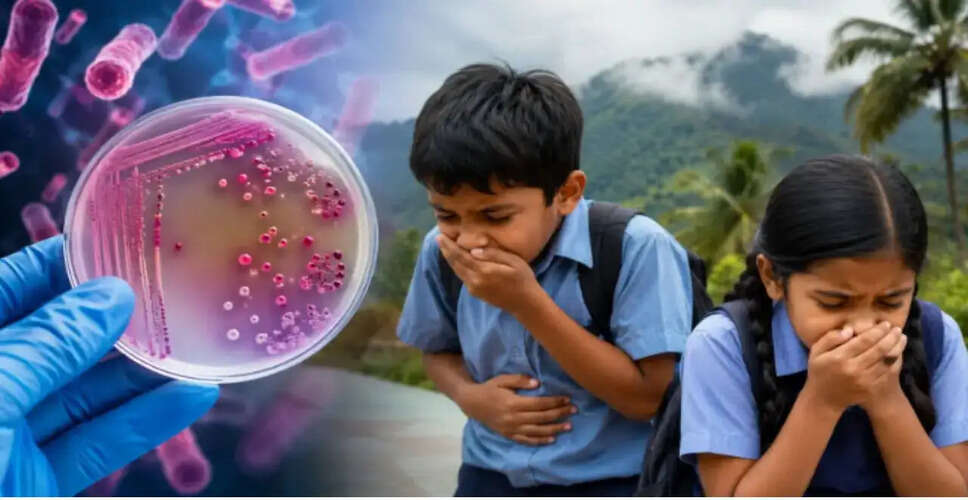
Health officials in Wayanad, Kerala, are on high alert following the confirmation of Shigella infections in two students from Mar Baselios School in Koliyadi. Reports indicate that numerous children have exhibited symptoms such as vomiting, diarrhea, and abdominal pain, leading to a significant public health response. Currently, 337 students with similar gastrointestinal issues are receiving treatment at various local hospitals. Although the situation is reportedly manageable, authorities have ramped up surveillance and preventive measures to curb any further spread of the infection.
Understanding Shigella
What is Shigella?
Shigella is a highly infectious bacterium that impacts the digestive system, causing an illness known as shigellosis. This infection primarily spreads through contaminated food, water, or direct contact with infected individuals. The bacteria can proliferate quickly in schools, childcare facilities, and densely populated areas where sanitation is lacking. Even a minimal amount of bacteria can lead to infection, making it challenging to control outbreaks without immediate action.
Symptoms of Shigella Infection
Symptoms of Shigella Infection
Symptoms typically manifest one to three days post-exposure and can vary from mild to severe. Common symptoms include:
- Diarrhea, which may contain blood or mucus
- Vomiting
- Stomach cramps
- Abdominal pain
- Fever
- Nausea
- Dehydration
- Fatigue and weakness
Most individuals recover within a week; however, young children, the elderly, and those with compromised immune systems are at a higher risk for complications.
Response to the Outbreak
Outbreak Response in Wayanad
The outbreak was first identified on Thursday when several students at Mar Baselios School reported gastrointestinal symptoms. As a precaution, classes at the school have been suspended. T. Siddique, the Kerala Agriculture Minister overseeing Wayanad, announced that health officials have initiated extensive containment measures. Twelve educational institutions linked to the affected students have been identified, with eleven located in Wayanad and one outside the district. Surveillance and investigations are ongoing at all these institutions. Health officials are also monitoring tribal areas in the district to ensure early detection and management of any potential cases.
Water Safety and Preventive Measures
Water Safety and Prevention Measures
Given that Shigella often spreads through contaminated water, local authorities have launched a special chlorination initiative targeting wells and other water sources in affected regions. Additionally, public awareness campaigns are underway to inform residents about hygiene practices, safe drinking water, and infection prevention strategies. Information is being disseminated through pamphlets, community announcements, and outreach programs by the health department.
Protecting Against Shigella
How to Protect Yourself from Shigella?
Health experts suggest several preventive measures:
- Thoroughly wash hands with soap and water, especially after using the restroom and before meals.
- Consume only clean, treated, or boiled water.
- Avoid food from unhygienic sources.
- Properly wash fruits and vegetables before consumption.
- Maintain good sanitation and waste disposal practices.
- Keep children with diarrhea at home until they fully recover.
Importance of Early Action
Why is Early Action Important?
Shigella outbreaks can spread rapidly in community settings, particularly among children. Early diagnosis, prompt treatment, and strict hygiene practices are vital for controlling transmission and preventing severe complications. While officials indicate that the situation in Wayanad is currently under control, this outbreak highlights the critical importance of clean water, sanitation, and public health vigilance in preventing infectious diseases. Ongoing monitoring and community cooperation will be essential in limiting further cases and protecting public health.