
Kerala Issues Alert Over Suspected West Nile Fever Cases
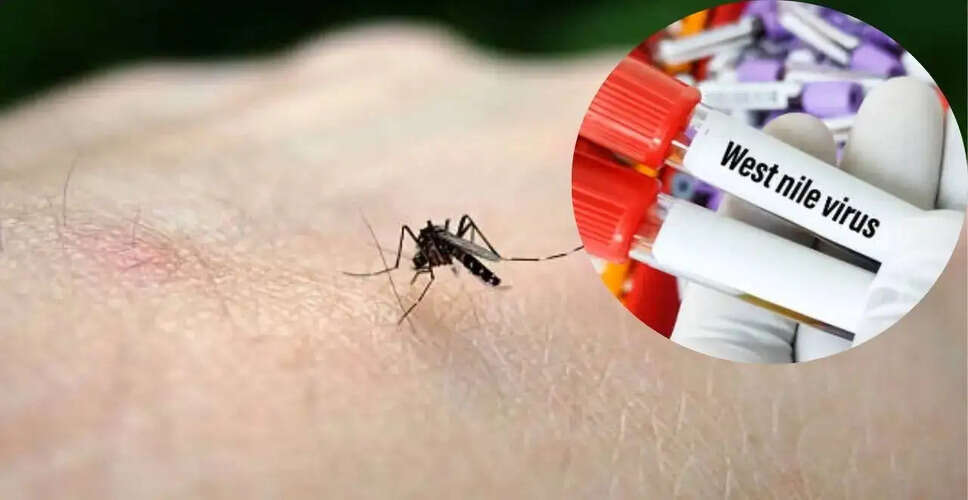

Health Alert in Kerala
Health officials in Kerala have raised an alert following reports of suspected West Nile Fever cases in various locations, including Elanji, Eroor, Pallikkara, Ponekkara, and Palluruthy. Investigations are currently underway, and authorities are advising residents to remain vigilant as the risk of mosquito-borne illnesses increases, particularly during the humid post-monsoon period. Dr. R. Shahirsha, the District Medical Officer (DMO) for Ernakulam, stated, “We have not yet confirmed any cases of WNF. These are merely suspected cases, and confirmation will only come after testing. Samples have been dispatched for analysis, with results expected in 14 days. Although no clusters have been identified, it is crucial to implement measures to prevent mosquito breeding.”
Understanding West Nile Fever
What is West Nile Fever?
West Nile Fever is a viral illness caused by the West Nile virus, which is primarily spread through the bites of infected mosquitoes. The virus circulates naturally between birds and mosquitoes, with humans being incidental hosts. According to the World Health Organization, most infections are either mild or asymptomatic, with approximately 80% of infected individuals showing no symptoms. About 20% may experience mild flu-like symptoms, while 1 in 150 cases can lead to severe and potentially life-threatening conditions.
Symptoms of West Nile Fever
Symptoms of West Nile Fever
Many individuals infected with the virus may remain unaware of their condition. However, when symptoms do manifest, they can include:
- Fever and headaches
- Body aches and joint pain
- Fatigue and weakness
- Vomiting or diarrhea
- Skin rash
In rare instances, the virus can impact the brain and nervous system, leading to severe conditions such as encephalitis or meningitis. Severe infection warning signs include high fever, stiff neck, confusion, or disorientation. Symptoms like tremors or seizures require immediate medical attention, as they can be life-threatening.
Transmission of the Virus
How does it spread?
The transmission cycle of the West Nile virus involves birds and mosquitoes. When a mosquito bites an infected bird and subsequently bites a human, the virus is transmitted. Notably, the virus does not spread through casual human contact, making mosquito control essential for prevention.
At-Risk Populations
Who is most at risk?
While anyone can contract the virus, certain demographics are at a higher risk for severe illness:
- Individuals aged 50 and older
- People with weakened immune systems
- Patients with chronic health issues
Importance of the Alert
Why does the alert in Kerala matter?
Kerala's tropical climate and frequent rainfall create favorable conditions for mosquito breeding. The emergence of suspected cases across various regions indicates potential local transmission, heightening the need for both individual and community preventive actions. State authorities have issued warnings urging residents to maintain cleanliness in their surroundings to prevent mosquito breeding.
Preventive Measures
Ways to Prevent West Nile Fever
To minimize the risk of mosquito bites, the following expert-recommended precautions should be taken during heatwaves and monsoon seasons:
- Regularly use mosquito repellents
- Wear long-sleeved, light-colored clothing
- Sleep under mosquito nets
- Avoid stagnant water near homes
- Keep living areas clean and dry
Community initiatives such as sanitation drives and vector control programs are also crucial in managing outbreaks. The rise of West Nile Fever in Kerala serves as a reminder that mosquito-borne diseases pose a significant public health threat. While most cases are mild, the risk of severe complications underscores the importance of awareness and preventive measures. Stay vigilant, protect yourself from mosquito bites, and seek medical attention if symptoms arise. Early intervention can prevent serious health consequences.