
Kerala Faces Multiple Infectious Disease Challenges: Health Authorities on High Alert
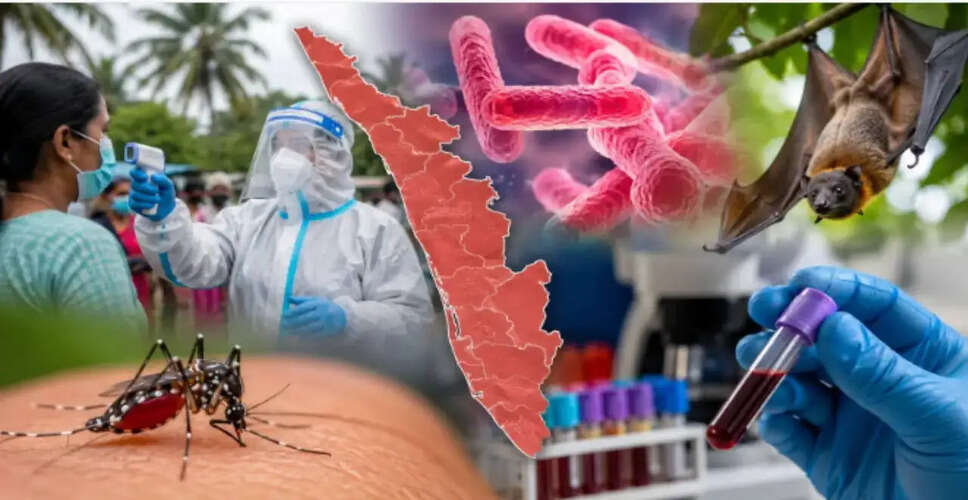

Kerala's Health Crisis: A Multi-Faceted Approach
Kerala is currently confronting several infectious disease threats, prompting health officials to enhance surveillance and containment strategies throughout the state. With a rise in shigellosis cases, a new malaria infection identified in Kozhikode, and ongoing vigilance for the Nipah virus, the public health system is on high alert to avert larger outbreaks. Authorities indicate that Kozhikode district has become the focal point for disease monitoring, where health teams are tracking potential Nipah contacts while also investigating malaria and shigellosis cases. Experts emphasize that swift detection, prompt action, and public education are vital in controlling the spread of communicable diseases.
Rising Cases of Shigellosis
Shigellosis, a bacterial infection caused by Shigella, has emerged as a significant health concern in Kerala. On Monday, the state reported eight new cases from Thiruvananthapuram, Kollam, Thrissur, Malappuram, and Kozhikode, bringing the total for this month to 71. In total, Kerala has documented 147 shigellosis cases in 2026. This infection spreads through contaminated food and water or inadequate hand hygiene, making it highly contagious, particularly in households, schools, and crowded areas. Common symptoms include:
- Frequent diarrhea, sometimes with blood or mucus
- Fever
- Severe abdominal cramps
- Nausea and vomiting
- Dehydration
Young children, the elderly, and individuals with compromised immune systems are at a higher risk of severe illness.
Ongoing Nipah Virus Monitoring
While no new Nipah virus cases have been confirmed in Kozhikode, health authorities are actively conducting contact tracing and monitoring individuals who may have been exposed. Recently, two individuals under the Nipah contact monitoring program were discharged after testing negative. However, another person exhibiting symptoms was admitted for observation on June 16. Out of nine contacts hospitalized for monitoring, five are still under medical supervision.
The Nipah virus is regarded as one of the most dangerous zoonotic diseases globally due to its high fatality rate. It can be transmitted through infected fruit bats, contaminated food, infected animals, or close contact with infected individuals. Symptoms of the Nipah virus include:
- High fever
- Severe headache
- Drowsiness
- Vomiting
- Difficulty breathing
- Confusion and seizures in severe cases
Currently, there are no specific antiviral treatments available, making early diagnosis and isolation crucial.
Intensified Animal Surveillance
To trace the potential source of the Nipah infection, Kerala's Animal Husbandry Department has expanded its surveillance efforts within a five-kilometer radius of the outbreak area in Kozhikode. Veterinary experts are collecting animal samples in collaboration with disease diagnostic teams, while the Forest Department is assisting in gathering samples from fruit bats, which are known natural reservoirs of the Nipah virus. These investigations are essential for understanding whether the virus is circulating among local animal populations.
Investigation of Malaria Case
Health officials have confirmed a malaria case involving an interstate migrant worker residing in Kozhikode. Initial investigations indicate that the infection was contracted in Madhya Pradesh, where the worker had previously lived. Authorities have begun contact tracing and epidemiological investigations to rule out local mosquito-borne transmission and prevent further spread. Malaria is transmitted through the bite of infected Anopheles mosquitoes and can lead to high fever accompanied by chills, sweating, headaches, body aches, fatigue, and nausea. Timely diagnosis and treatment are critical to avoid severe complications.
Preventive Measures for Safety
Healthcare professionals recommend several preventive strategies to mitigate the risk of infectious diseases:
- Wash hands frequently with soap and water.
- Consume clean, safe water and freshly prepared food.
- Maintain proper sanitation and hygiene.
- Avoid fruits that may have been partially consumed by bats.
- Use mosquito repellents, bed nets, and wear protective clothing.
- Eliminate stagnant water around homes to reduce mosquito breeding.
- Seek immediate medical attention if experiencing persistent fever, severe diarrhea, or neurological symptoms.