
K-Pop Star Jang Yeojun Hospitalized Due to Rhabdomyolysis: Understanding the Condition
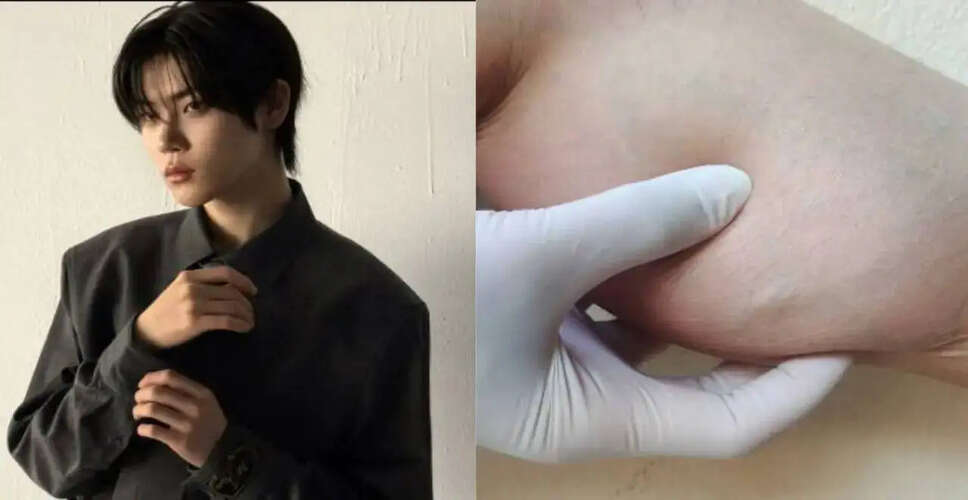
K-Pop Idol's Health Crisis
Jang Yeojun, a well-known member of the boy band Close Your Eyes, has been admitted to the hospital after being diagnosed with rhabdomyolysis, a serious muscle injury resulting from the breakdown of healthy muscle tissue. Medical professionals have indicated that if not treated promptly, this condition can pose significant health risks. Reports indicate that the 20-year-old sought medical attention after experiencing symptoms indicative of abnormal bodily functions, leading to his diagnosis following thorough examinations. His management team, Uncore, has verified the diagnosis. This incident has highlighted a condition that, while rare, is increasingly observed among athletes and individuals engaged in rigorous physical activities. But what is rhabdomyolysis, and why is it considered hazardous?
Understanding Rhabdomyolysis
What is Rhabdomyolysis?
Rhabdomyolysis refers to a medical condition where muscle tissue deteriorates, resulting in muscle death. This breakdown releases toxic substances from muscle fibers into the bloodstream and kidneys, potentially leading to kidney damage. The condition can arise from various factors, including excessive physical exertion, trauma, certain medications, or pre-existing health issues. Common symptoms include muscle weakness, stiffness, pain, and changes in urine color, often referred to as 'rhabdo.'
Causes of Rhabdomyolysis
What Triggers Rhabdomyolysis?
As per insights from medical experts, several factors can lead to rhabdomyolysis:
Injury or Trauma
Severe burns, electrocution, or crushing injuries can rapidly break down muscle fibers, with crushing injuries being a common cause.
High-Intensity Exercise
Engaging in an intense workout regimen without adequate recovery can trigger rhabdomyolysis.
Severe Dehydration and Overheating
Heat can accelerate muscle breakdown, and insufficient hydration hampers the kidneys' ability to eliminate waste.
Medications
Some medications, including antipsychotics, antidepressants, and statins, can contribute to muscle breakdown.
Inactivity
Prolonged immobility can also lead to the development of rhabdomyolysis.
Medical Conditions
Genetic disorders such as McArdle disease and Duchenne muscular dystrophy can result in rhabdomyolysis.
Recognizing Symptoms
Signs and Symptoms of Rhabdomyolysis
Early detection of symptoms is vital. Key indicators include:
- Intense muscle pain or tenderness
- Weakness in muscles
- Swelling
- Dark, cola-colored urine
- Decreased urine output
- Fatigue and nausea
The presence of dark urine, caused by excess myoglobin in the kidneys, is a critical warning sign that necessitates immediate medical attention.
Health Risks of Rhabdomyolysis
Why is Rhabdomyolysis Dangerous?
Experts highlight that the primary health risk associated with rhabdomyolysis is kidney damage. When muscle proteins enter the bloodstream, they can obstruct kidney structures, impairing waste filtration. Potential complications include:
- Acute kidney failure
- Electrolyte imbalances
- Irregular heart rhythms
- Severe dehydration
- In rare instances, death
Nevertheless, with prompt diagnosis and effective hydration treatment, most individuals can fully recover.