
Jeremy Clarkson's Prostate Cancer Diagnosis Highlights Importance of Early Detection
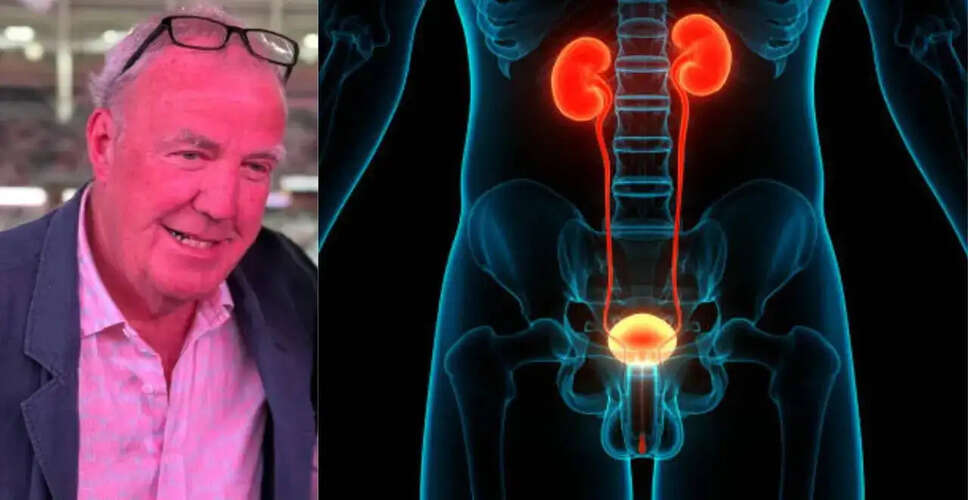

Jeremy Clarkson Reveals His Cancer Battle
Jeremy Clarkson, the well-known British TV figure, has disclosed that he is battling aggressive prostate cancer. He shared this news during the concluding episodes of Season 5 of Clarkson's Farm. At 66 years old, Clarkson mentioned that the cancer was identified early, which enhances his chances for effective treatment. His open discussion about his health condition underscores the critical need for awareness regarding prostate cancer symptoms and the importance of timely screenings.
Early Detection of Cancer
In a heartfelt moment during the finale of Clarkson's Farm, he informed his team, "I've got cancer," and explained that surgeons had removed a portion of his prostate. Speaking from his hospital bed, he indicated that he would receive more information about his prognosis in the upcoming months. Although he referred to the cancer as "aggressive," it was detected at an early stage, which is a crucial factor for improving treatment outcomes.
Understanding Prostate Cancer
Prostate cancer originates in the prostate gland, a small organ situated beneath the bladder responsible for producing seminal fluid. It ranks among the most prevalent cancers affecting men globally, particularly those over 50. While many cases progress slowly and may not present symptoms initially, some aggressive types can spread rapidly if not treated.
Recognizing Early Symptoms
One of the significant challenges with prostate cancer is that it often shows no symptoms in its early stages. As the disease advances, men may notice:
- Frequent urination, especially at night
- Difficulty initiating or stopping urination
- Weak or interrupted urine flow
- Pain or burning sensation during urination
- Presence of blood in urine or semen
- Erectile dysfunction
- Pain in the hips, pelvis, lower back, or bones
- Unexplained weight loss in advanced stages
These symptoms can also arise from benign prostate enlargement or infections, making it essential to seek medical evaluation.
Risk Factors for Prostate Cancer
Several factors can elevate the risk of developing prostate cancer, including:
- Age over 50
- Family history of prostate cancer
- African ancestry
- Obesity
- Diets rich in processed and red meats
- Specific inherited genetic mutations, such as BRCA1 and BRCA2
Men with a father or brother who has been diagnosed with prostate cancer face a significantly increased lifetime risk.
Importance of Early Detection
Early diagnosis of prostate cancer leads to an excellent prognosis. Healthcare providers typically utilize a combination of:
- PSA (Prostate-Specific Antigen) blood test
- Digital Rectal Examination (DRE)
- MRI scans
- Prostate biopsy (if necessary)
- Not every elevated PSA level indicates cancer, but abnormal results should always be assessed by a urologist.
Treatment Options for Prostate Cancer
Treatment strategies depend on the cancer's stage and aggressiveness. Common approaches include active surveillance for low-risk cases, surgical removal of the prostate, radiation therapy, hormone therapy, chemotherapy, and targeted treatments for advanced stages. Many men diagnosed early can lead long, healthy lives post-treatment.
Screening Recommendations for Men
Experts generally advise discussing prostate cancer screening:
From age 50 for men at average risk
From age 45 for those with a family history of prostate cancer
From age 40 for men with significant genetic risk factors, such as BRCA mutations
Decisions regarding screening should always be made after consulting with a healthcare provider about the associated benefits and risks. Clarkson's openness about his diagnosis brings attention to a condition that often develops without noticeable symptoms. While aggressive prostate cancer can pose serious risks, early detection significantly enhances treatment success. Health professionals urge men, particularly those over 50 or with a family history, to be vigilant about urinary symptoms, engage in discussions about screening with their doctors, and never overlook persistent health changes.